This is the blue hour; sunset is over. That soft, rosy hue in the far-off sky? The product of 100% anthropogenic light.

HDR Photography
This is the blue hour; sunset is over. That soft, rosy hue in the far-off sky? The product of 100% anthropogenic light.
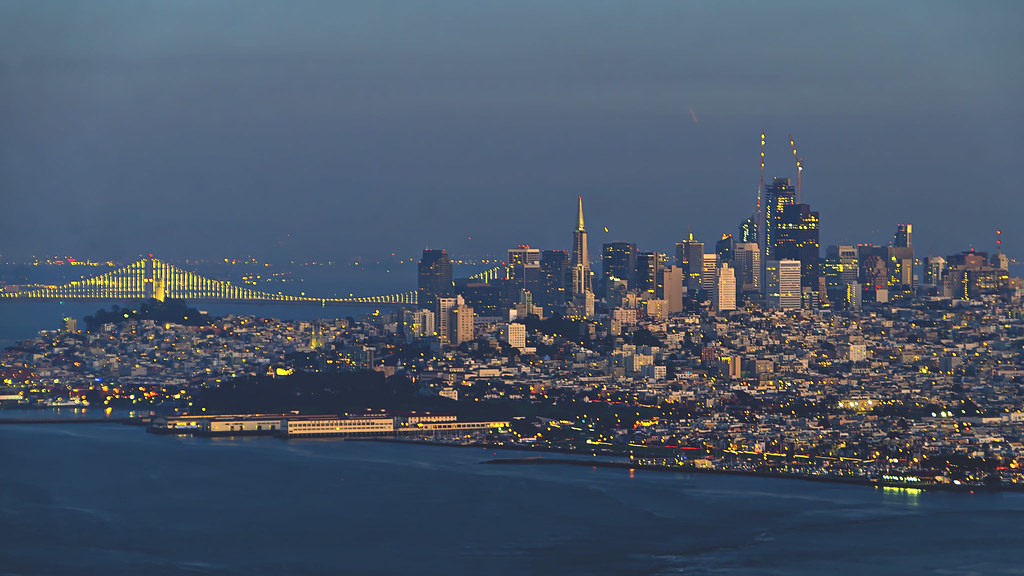
My favorite cities are those with borders artificially constrained by water (like San Francisco, Hong Kong, or Manhattan), usually leading to towering structures and high density. San Francisco’s situation was different for a long time; a subset of NIMBY residents (alongside an array of other economic factors) meant that this grid of smaller buildings persists, in spite of housing shortages and corresponding high housing prices. As this slowly changes and the city begins to warm to the idea of new development, this uniform grid of little buildings might someday shift.
Driving from San Francisco to Portland means passing Mt. Shasta. With the exposure shortened, the array of textures and shadows on the mountain’s snowy surface are revealed.
During the summer months, Tiburon’s Coninthian Yacht Clubs hosts the Friday Night Race Series. Though images from last week’s race are coming soon, I was most struck by this scene of a sailor on a trimaran watching the delicate blue-hour colors above San Francisco.
The Molecular Foundry’s enormous overhang looks alien up close, but the scale of the structure is really apparent with the lighting beneath the gravity-challenging bulk.
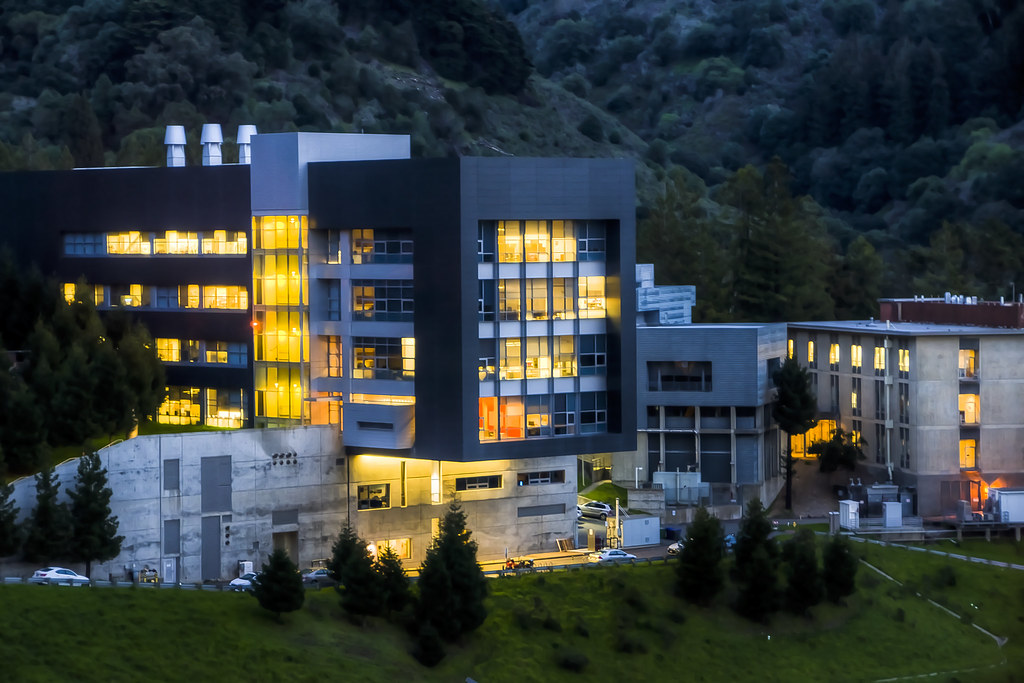
Some of the most magical photos come at the most unexpected times.
San Francisco’s verticality comes from its steep hills. Increasingly, however, that z-dimension size is being joined by towering additions to the skyline. Though I know it’s a contentious issue locally, I’m excited to see the new construction in downtown.
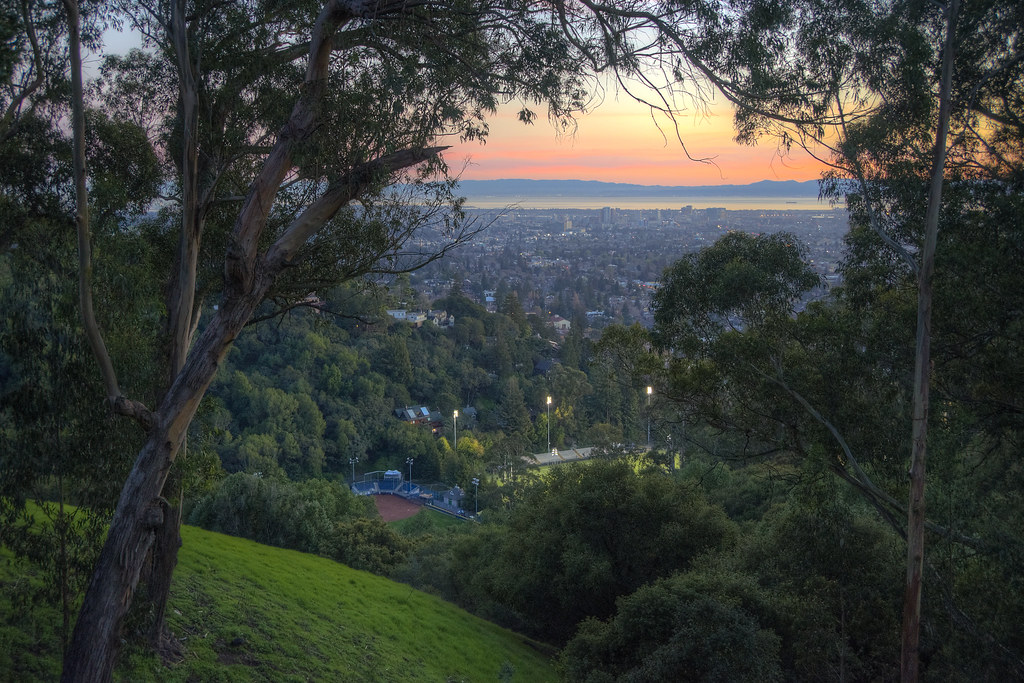
My past couple of posts have been images of San Francisco, foregrounded by nature and suburbs—the style I like to call a “civilization gradient”. This image similarly presents downtown Oakland, California, past the hilltop homes and Cal fields of Strawberry Canyon and through the invasive alien leaves of Berkeley Lab’s eucalyptus trees. The HDR processing techniques that Brendan and I use are perfect for settings like this, with an array of light intensities across a broad landscape.
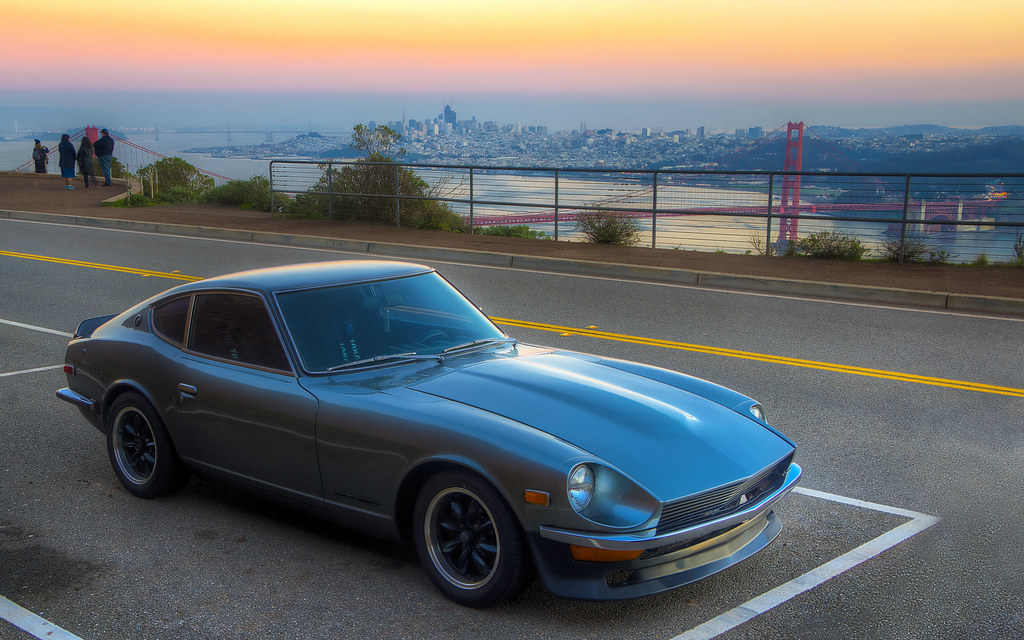
I’ve had an attraction to Datsun Z cars since I read Wangan Midnight as a teenager and first encountered the “Devil Z”. Around the Bay Area, plenty of these cars are still running, and those that have survived this long come to resemble the style goals of their owners. That might be the “rough style” Z I photographed in Berkeley, or this super-clean example that was kind enough to park in the Marin Headlands overlooking the Golden Gate Bridge and San Francisco.
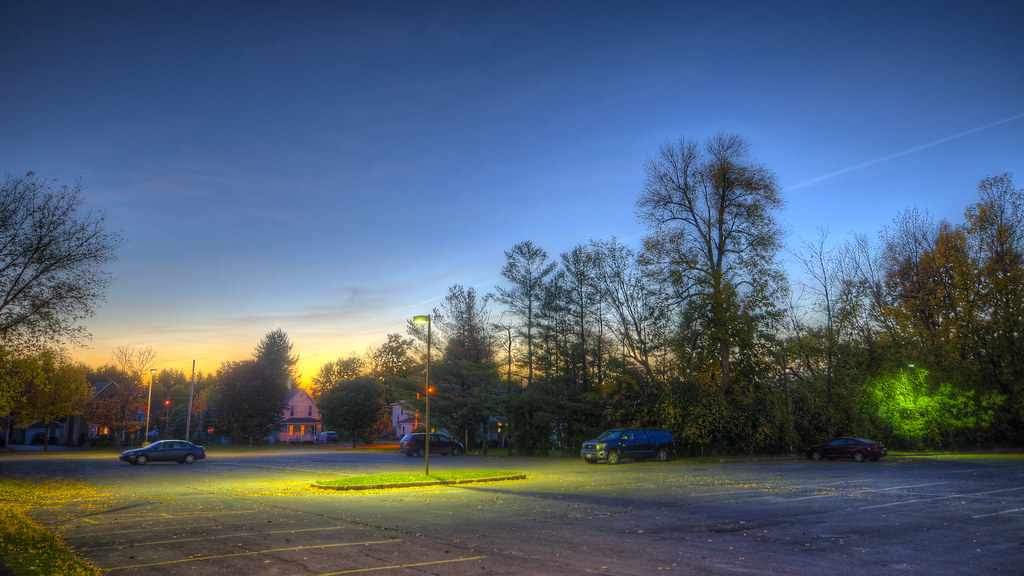
The Bay Area seems to experience seasons at a different pace from much of the rest of the country. Summer is a month-long period from mid-August through mid-September, fall lasts from October through March, and the summer goes from April until August. Winter (as the East Coast understands it) isn’t a part of the equation. Being back in fall, then, has me reminiscing about fall in the North Country, with leaves starting to dot the ground and the Blue Hour arriving sooner.
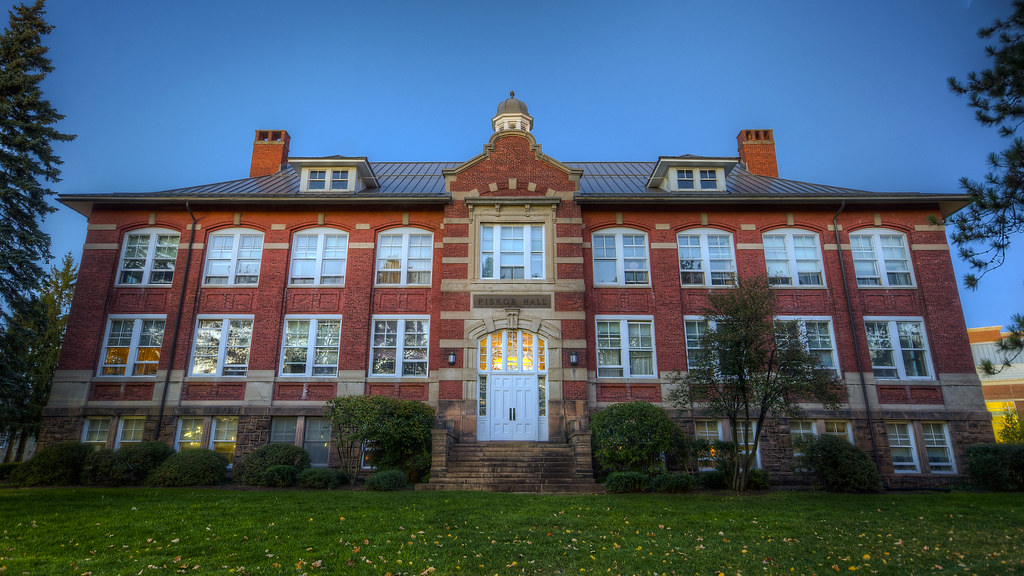
Berkeley’s undergraduate student population is still mostly gone for winter break, leaving UCB’s campus to resemble St. Lawrence’s during Fall Break in October. The empty-ish parking lots might be bleak, but at least it’s easy to get a table at lunch time.
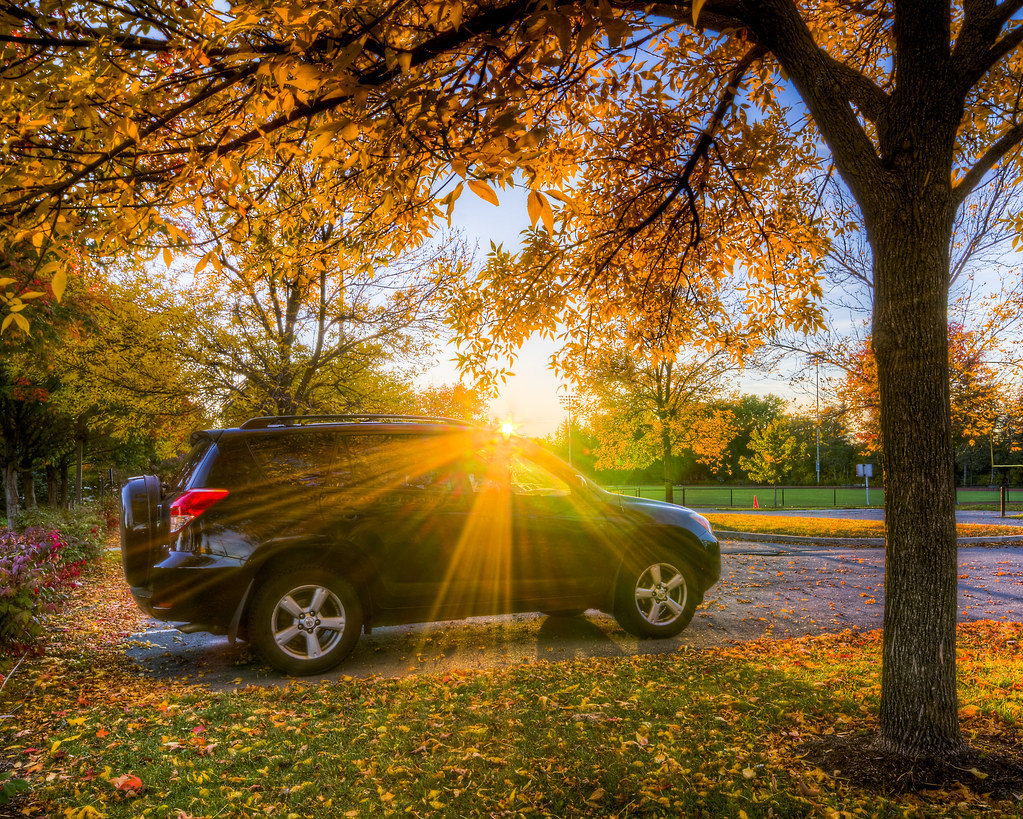
And one final bonus from that fall weekend: a most dramatic and exciting picture of a most unexciting car. I present to you: the World’s Most Interesting Toyota RAV-4.
Lawrence Berkeley National Laboratory sits in the Berkeley Hills, so close to multiple centers of scientific and technological innovation; the intellectual climate on its campus is astonishing. One of the newer facilities on campus is the science-fiction-come-to-life Molecular Foundry. The most dramatic part of the building hangs in space above the bay. I can’t resist the image of a spacecraft coming in for a landing.

Large-scale sculptures on college campuses set the tone of these places, focusing the on spaces for the mind to experiment and grow. I’ve always found it a bit ironic that the mind will grow to find these odd structures everyday and ordinary.

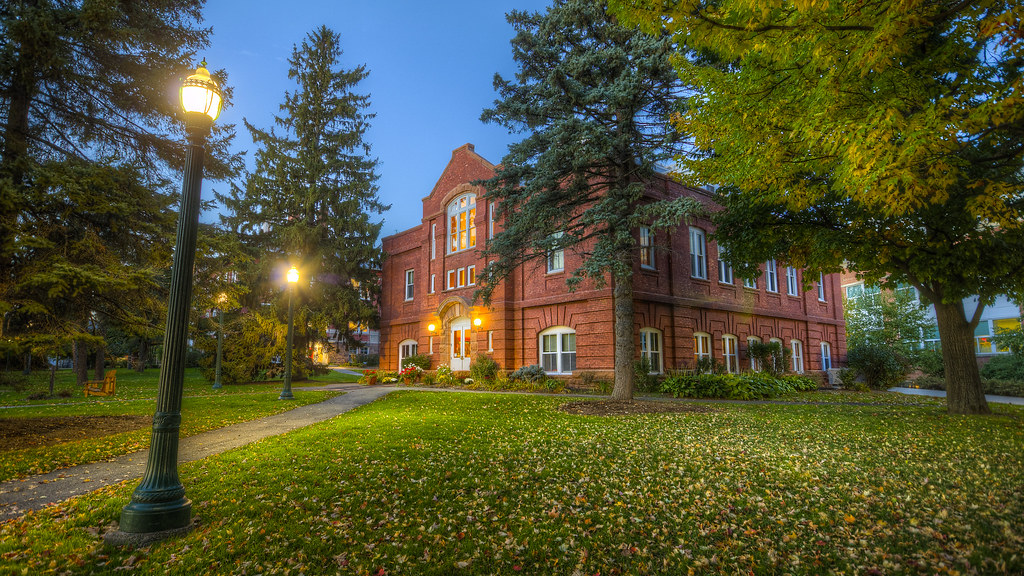
Admissions buildings are always charming, but the blue hour on a crisp fall afternoon creates optimal conditions for charm. Not a single leaf is out of place.
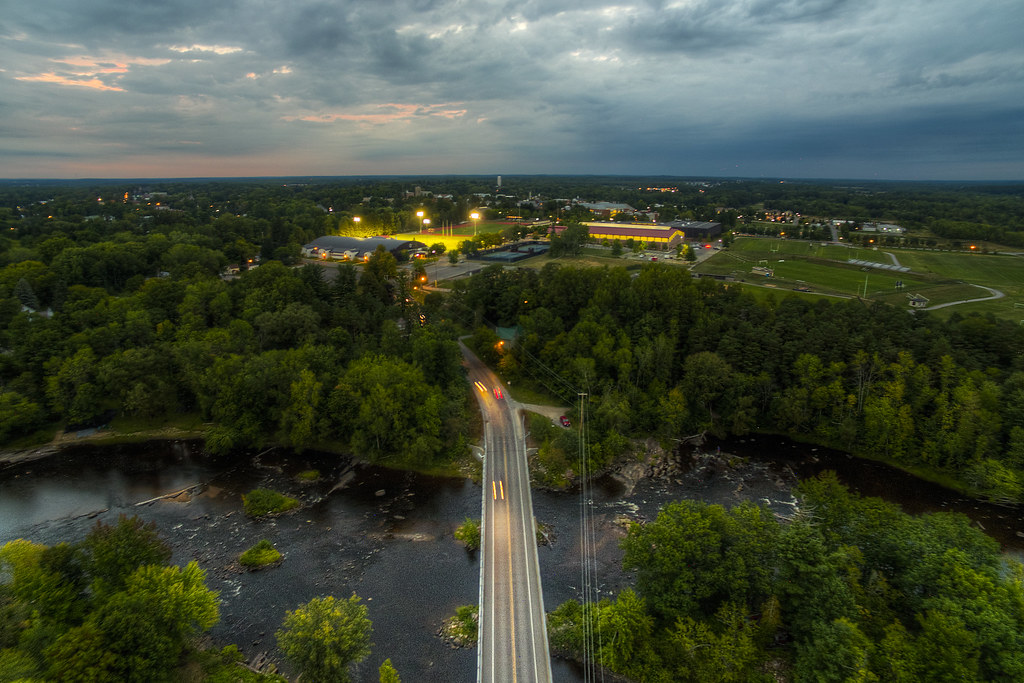
Coming to St. Lawrence, I was not prepared for the amount of forest space on the school’s 1000-acre campus. Flying above the Grasse River, campus looks wild and vaguely Nordic. I’ve never run into a frost giant on the way to work, but now I’m sort of wondering whether I need to prepare for that, too.
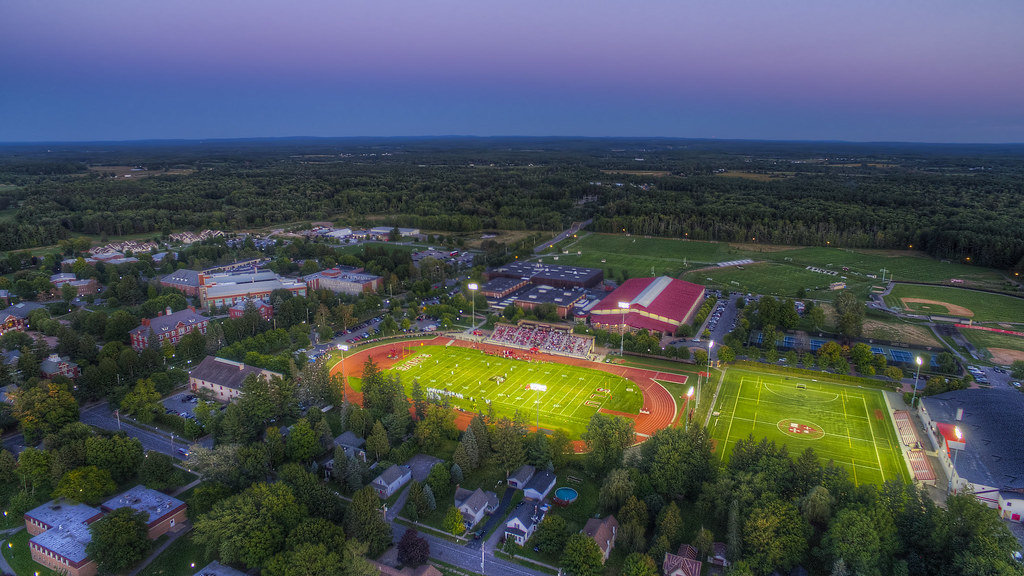
The roars and gasps of the crowd could be heard all over town: Friday night football in the North Country of New York. St. Lawrence’s Saints dominated Morrisville to the tune of 28–0. From quadcopter, the action on the field is just a bit out of range. One of the recurring themes of my work is the civilization gradient between densely human areas and wilderness; I view this picture as another interpretation of that theme. There’s perhaps no urban center in Canton, but there are quaint homes and university buildings giving way to farmland and, eventually, the foothills of the Adirondacks in the distance where the Earth begins to curve.
 Decaseconds