Long exposures in the blue hour transform students walking along the Long Walk to ghosts.


HDR Photography
Long exposures in the blue hour transform students walking along the Long Walk to ghosts.
Ivory towers and expanses of brick encrusted with ivy are both college campus icons for good reason.

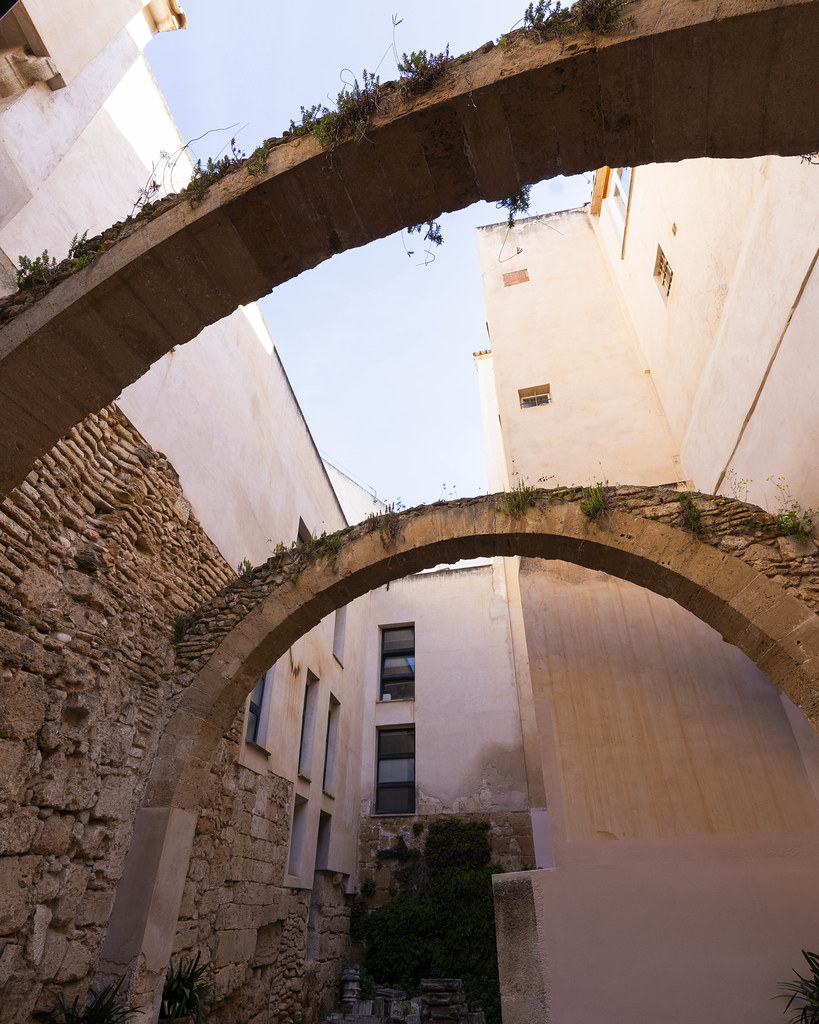
Ancient and modern are piled on top of one another in Mallorca.
While my drone pictures of construction on campus perhaps focused most on the steam pipe work near Clement Chemistry Building, the north side of campus has its own new project: the new home of the Elting Center for Innovation and Entrepreneurship.

When I wonder if I’ve grown as a photographer, I look at how I tackle processing a picture like this landscape from Stone Valley.

And here is how I processed the picture originally, 10 years ago:

The shift to a more naturalistic style—and once that better respects color temperature and saturation—feels like a positive one to me.
There’s a moment when the light of the Long Walk matches the brightness of the blue hour light remaining in the sky. When that moment happens to coincide with an unusually warm October night, the connection to memory locks in.

The person sitting on the bench at the foot of Trinity’s chapel helped me out by providing an immediate sense of the building’s scale.

Drying chromatrography fractions in the Trinity College Organic Chemistry lab made for a colorful afternoon array.

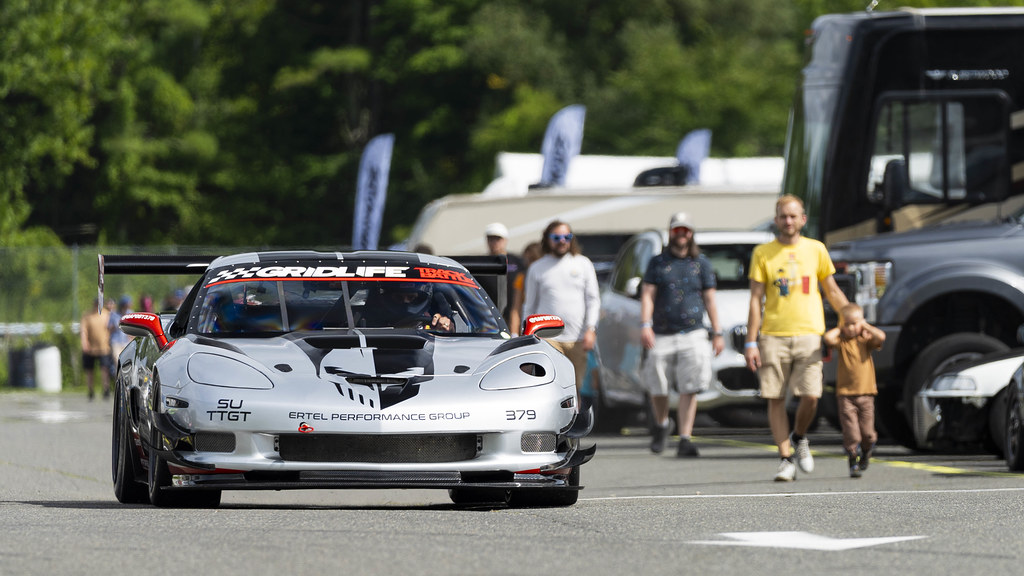
Straight-piped V8 Corvette race cars are truly loud vehicles, and the bokeh’ed child putting his hands over his ears in the background is strong testament.
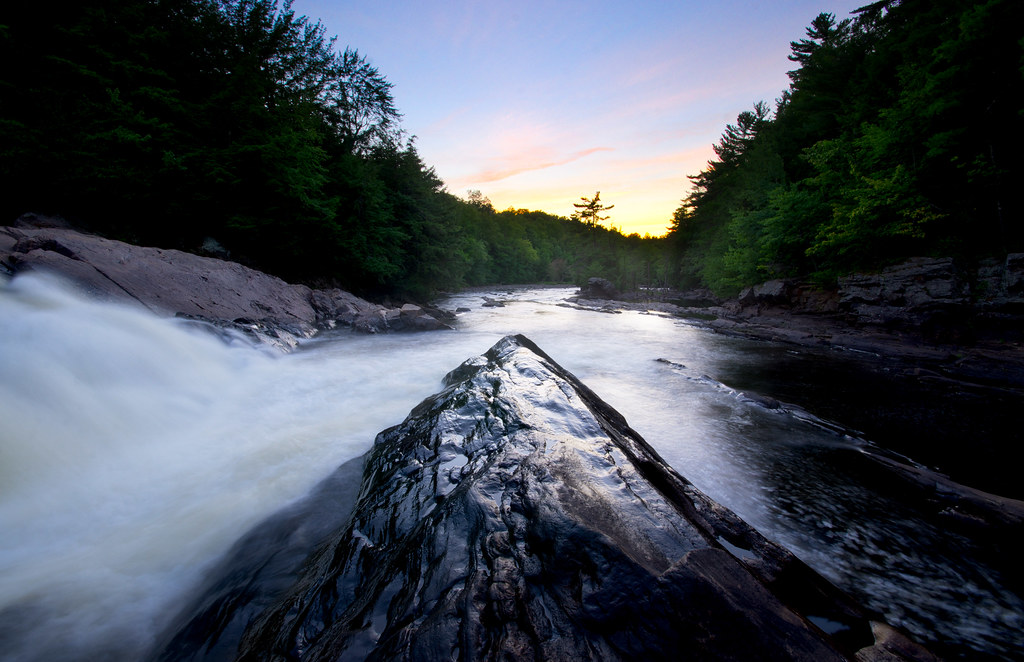
I’ll spoil the double meaning of this title: On the one hand, very literally the waterfall in Stone Valley is ending on the left side of the image and smoother water is in the river’s future. But in a photographic sense, this is an image that I couldn’t previously share because the mist from the waterfalls spotted the lens so badly that the image was hidden behind a layer of dark spots. The improved spot removal tools in present-day Adobe Camera Raw have finally allowed me to effectively get rid of those spots (and I’ve learned some other photographic tricks in the meantime), so this image is ready to face the light of day.
What else can I say? “The red ones goes faster.”

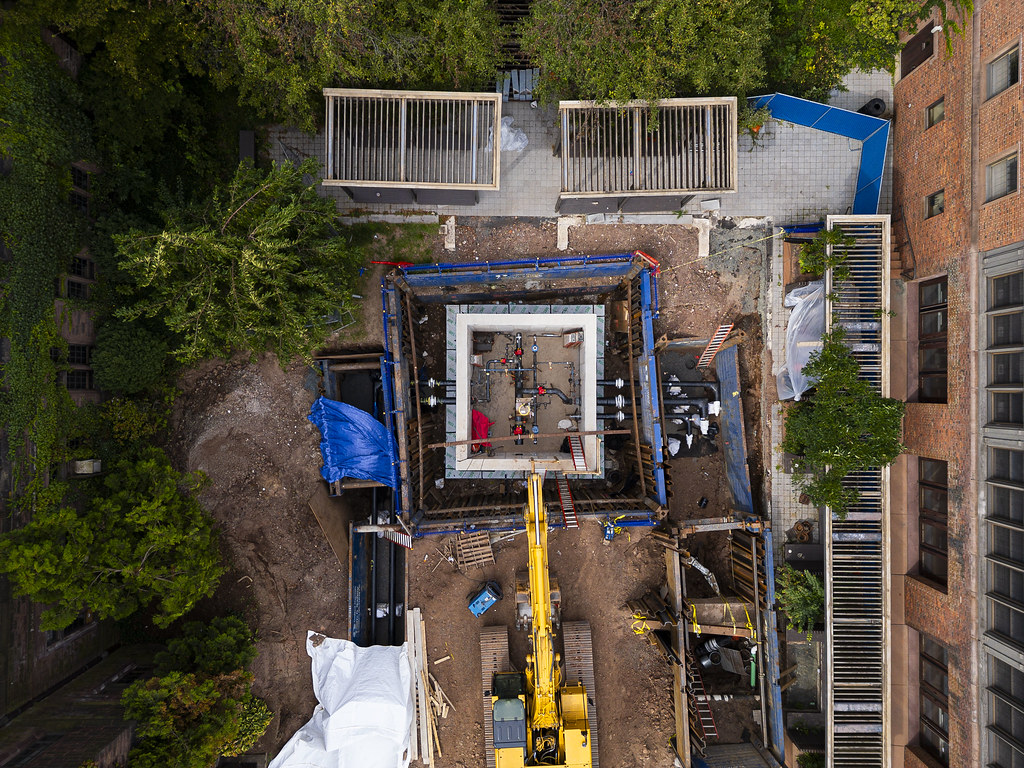
Construction around Trinity’s campus has produced this deep concrete pit filled with complicated steam pipe controls. A view from above reveals a Factorio-esque connection within.
This post “does what it says on the tin,” as they say.
Let’s start with a pair of Mustangs from very different eras:


Followed by another drift car from Nappy Boy Automotive:

And finishing with a Nissan Silvia.

So long as the weather lasts, we’ll be out on the quads, lounging in Adirondack chairs.


