The Gate and the Devil Z

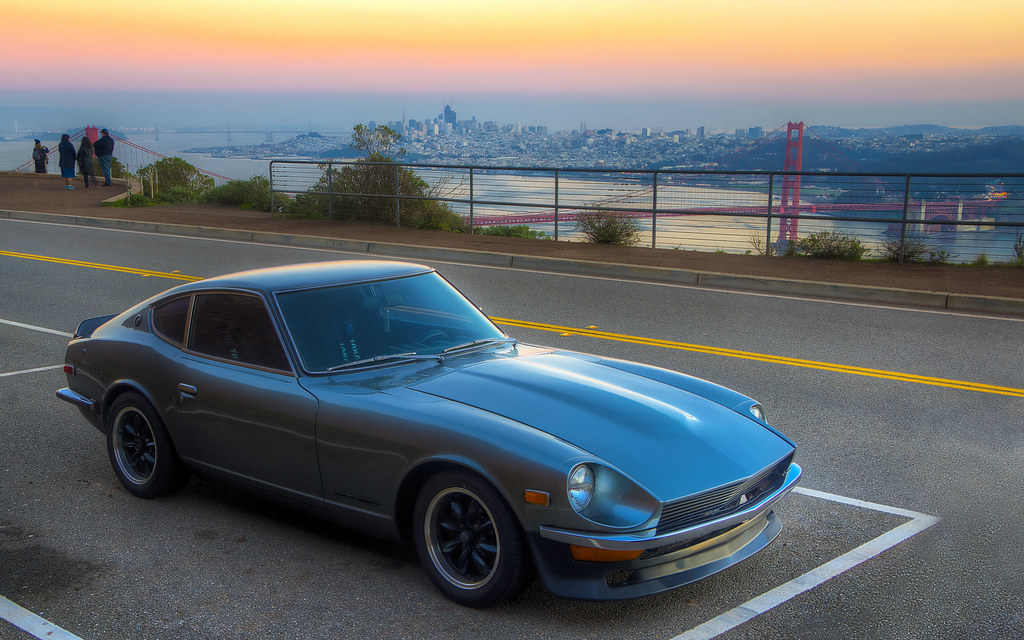
I’ve had an attraction to Datsun Z cars since I read Wangan Midnight as a teenager and first encountered the “Devil Z”. Around the Bay Area, plenty of these cars are still running, and those that have survived this long come to resemble the style goals of their owners. That might be the “rough style” Z I photographed in Berkeley, or this super-clean example that was kind enough to park in the Marin Headlands overlooking the Golden Gate Bridge and San Francisco.
The Gate and the Devil Z

Three Reminiscences of Fall in the North Country

The Bay Area seems to experience seasons at a different pace from much of the rest of the country. Summer is a month-long period from mid-August through mid-September, fall lasts from October through March, and the summer goes from April until August. Winter (as the East Coast understands it) isn’t a part of the equation. Being back in fall, then, has me reminiscing about fall in the North Country, with leaves starting to dot the ground and the Blue Hour arriving sooner.

Piskor

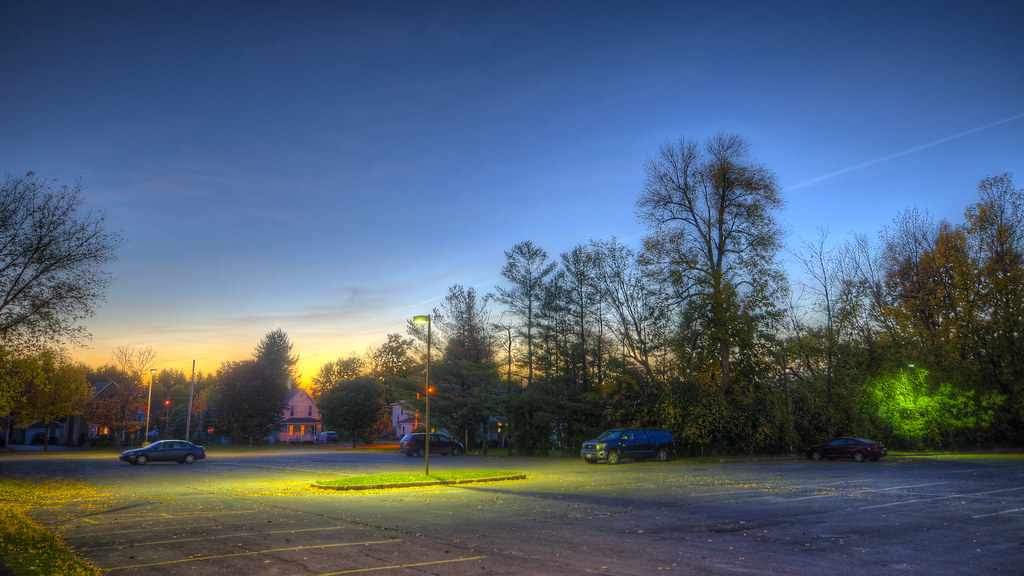
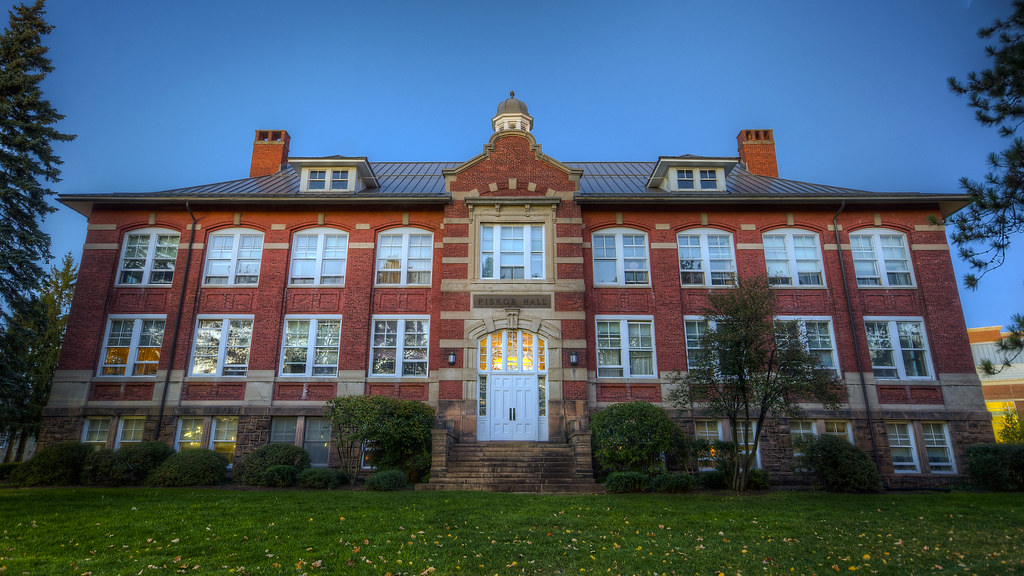
Berkeley’s undergraduate student population is still mostly gone for winter break, leaving UCB’s campus to resemble St. Lawrence’s during Fall Break in October. The empty-ish parking lots might be bleak, but at least it’s easy to get a table at lunch time.

Fall Break Parking Lot

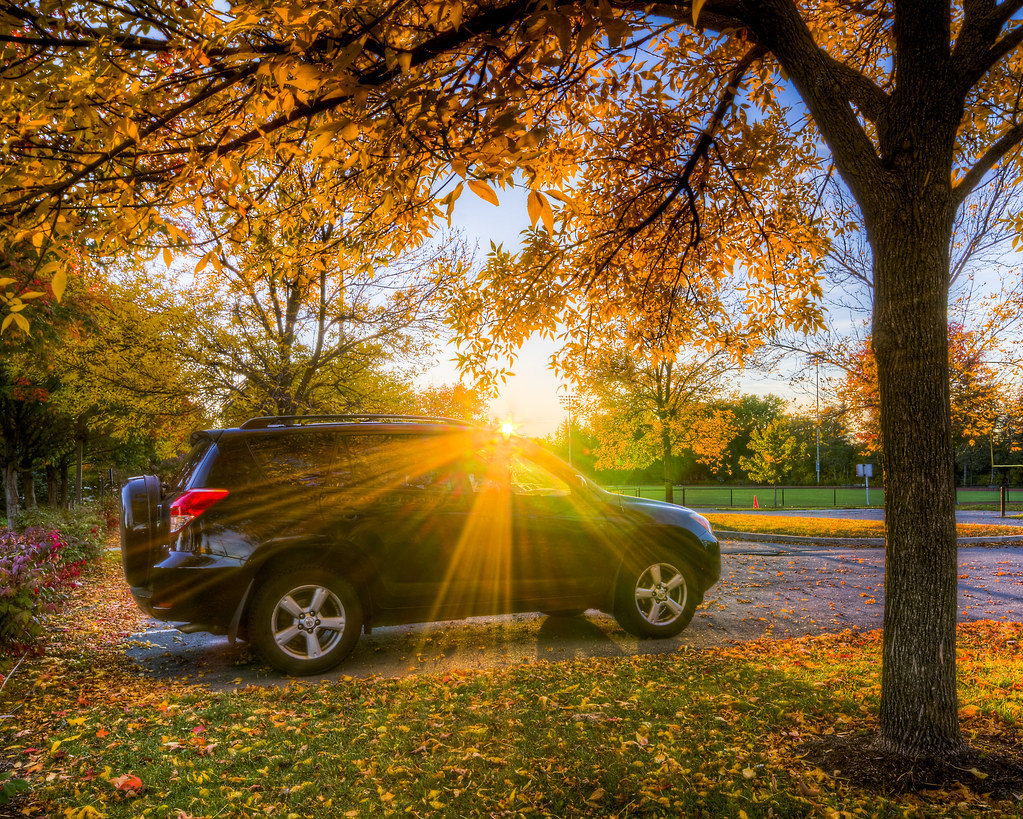
And one final bonus from that fall weekend: a most dramatic and exciting picture of a most unexciting car. I present to you: the World’s Most Interesting Toyota RAV-4.

The Fanciest RAV4

Landing the Molecular Foundry

Lawrence Berkeley National Laboratory sits in the Berkeley Hills, so close to multiple centers of scientific and technological innovation; the intellectual climate on its campus is astonishing. One of the newer facilities on campus is the science-fiction-come-to-life Molecular Foundry. The most dramatic part of the building hangs in space above the bay. I can’t resist the image of a spacecraft coming in for a landing.

Landing the Molecular Foundry

Angel Island Silhouette

Angel Island played a critical role in the history of immigration to the West Coast, but now it’s a nature preserve (free of invasive eucalyptus trees) with only a couple of light-emitting structures at night. This makes the island dark and mysterious at night, as it floats in front of the lights and civilization of Marin.

Angel Island Silhouette

Nebraska Cows

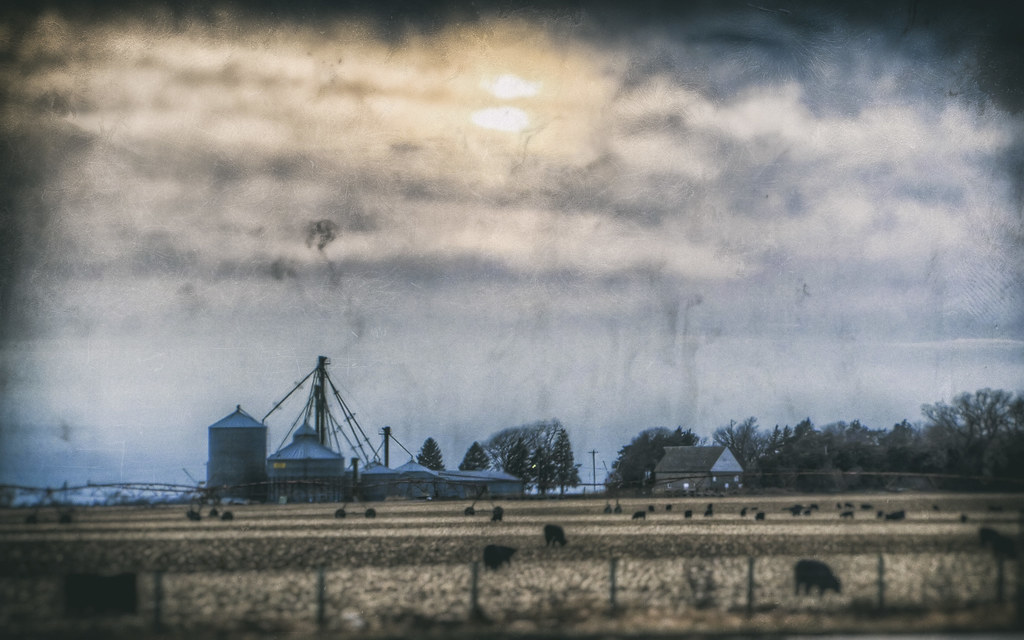
Road tripping across America an experience both dramatic and (in the age of Interstate highways) mundane. When I made this trip three years ago, I documented it in a photoessay. Traveling the reverse direction, from the sprawl of the East Coast to the wide-open West, has been a more dramatic experience. The downside? Making the trip at the Winter Solstice has meant much less time each day for capturing the experience.

Nebraska Cows

South on 11

Without a nearby Interstate, materials move through the North Country along Route 11 in much the same way I imagine they did pre-1956. The Cascade diner and the Buccaneer Lounge beneath it, glowing with neon lighting on the right side of the picture, date from the early Interstate era. When I visit them for a burger and I beer, my mind always wanders to Eisenhower and Kennedy and the other presidents who presided over the development of the Interstate system. Highway access remains on the mind, I’m sure, of ever person who commutes in and out of the North Country, too.

South on 11

Towers and Farms

A central theme to my photography is visualizing the progressive gradient from dense urban areas to natural settings. Some of my favorite images are cases where that gradient is particularly abrupt or unexpected. Until I began flying quadcopters, I didn’t expect that I’d be able to find the same transitions in the North Country, with its much more homogeneous rural structure. Here in Canton, however, the juxtaposition of apartment towers, shops, and bridges with forests, islands, and farmland creates a similar effect. The North Country supports this cultural difference between folks who live “in the village” and those who live “out of the village”.

Towers and Farms

Resilient Tree at Sunset

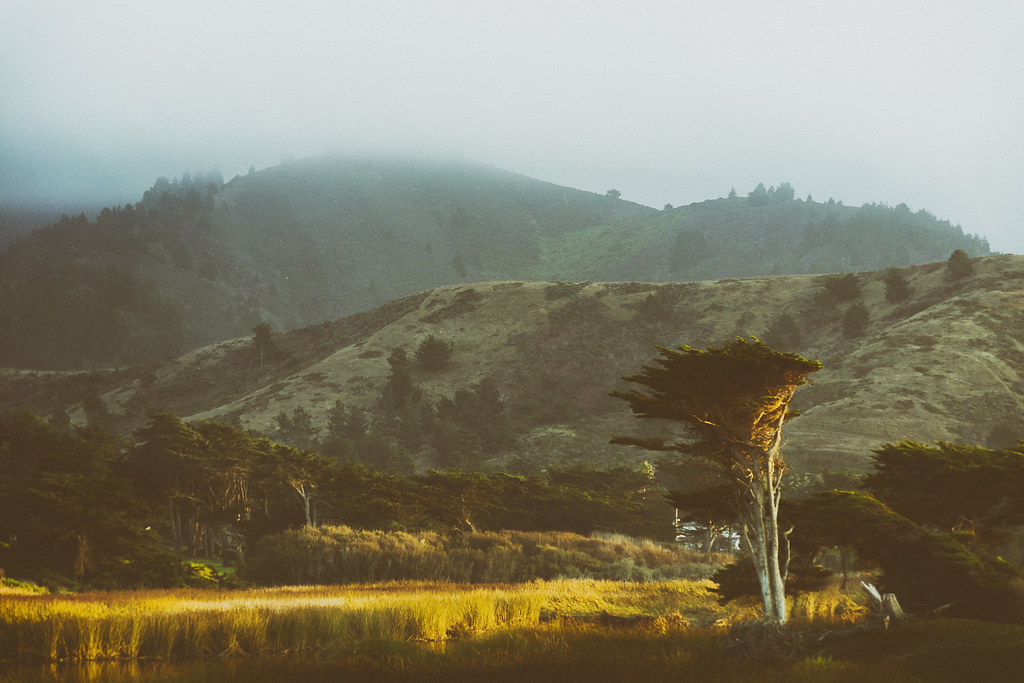
Of all the plant phyla, I’ve always felt a particular affinity for the conifers. Those spiny softwood survivors have a diverse yet particular set of aromatic compounds that accompany them; I can chart a lot of happy memories to pine or cypress groves and their applied organic chemistry. Starting on the east coast, through the midwest, and finding myself in grad school on the west coast meant contact with a lot of different species. These ocean-wind-sculpted examples from Pacifica, California are particularly dramatic.

Resilient Tree at Sunset

Appleton on the Grasse

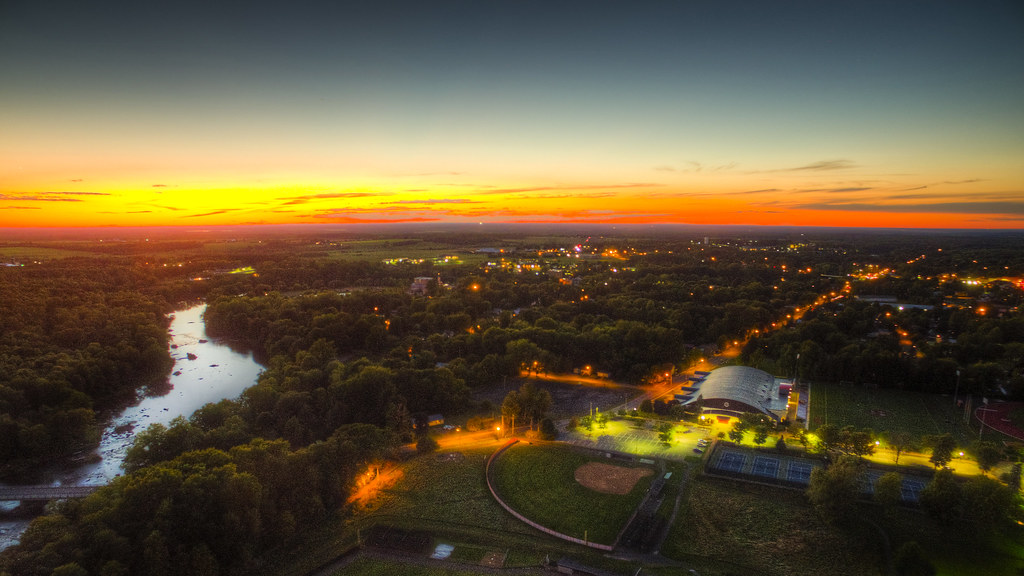
The DJI Phantom 3 quadcopter is giving me a new appreciation for Canton’s “small town America” landmarks, like the Appleton Arena. The way oblique solar rays reflect from its arcing roof puts the ice rink and the Grasse River in a reflective class of their own; nothing else in town is reflecting the sunset in the same way. Perhaps it’s appropriate that the ice rink and the flowing river, both full of water (though covered, in Appleton’s case) are the most reflective moieties.

Appleton on the Grasse

Forest Border

The lights mark the border between forest and manicured athletic fields. In real life, crossing the border means risking ticks and perhaps a run-in with a deer; in the realm of science fiction, I can imagine much more terrifying consequences from crossing the border from light into darkness as the sun sets.

Forest Border

Wachtmeister in the Wilderness

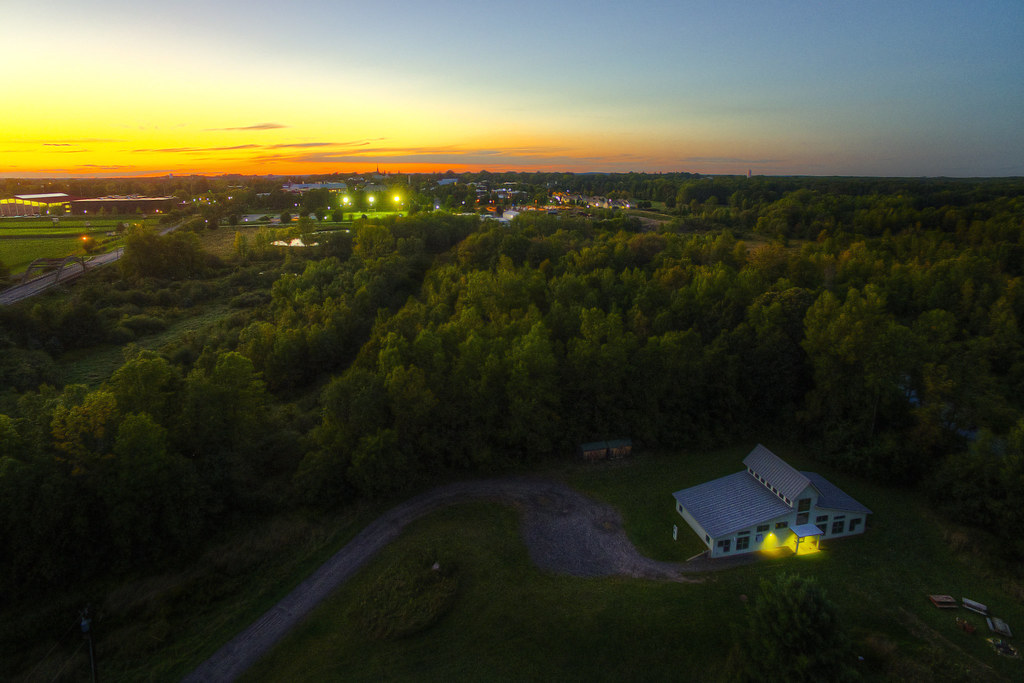
St. Lawrence’s campus includes far more natural settings (and transitions far more quickly to them) than any place I’ve previously experienced. The Wachtmeister Field Station is a field laboratory that feels like a “candle in the wilderness,” despite being within (drone) sight of campus.

Wachtmeister in the Wilderness