Winter’s lockdown continues (it might warm up above -10ºF today!), but spring will eventually return. The footbridge to SUNY Canton will eventually be free of ice and the smallest hints of leaves will peak out from the tree branches.
Tag: photography
Last Light Before Commencement
Buoy Asymmetry
End of 2018 (Recalling the Lab)
Professionally, 2018 was a good year: my sabbatical work was published in the Journal of Physical Chemistry C. That came from a long time writing and a long time in this lab.
Berkeley Lab’s Frei Group was kind enough to share their space with me, and I could not have done that work without this high vacuum line. I’ve always loved the way understanding the components of a system can take a complicated image like this one and break it into understandable parts. This image, in particular, gets less odd after the realization that this is two lines, mounted back-to-back, in the same Unistrut frame.
Boulevard Garibaldi et la Tour Eiffel
Christmas In Salisbury, Connecticut
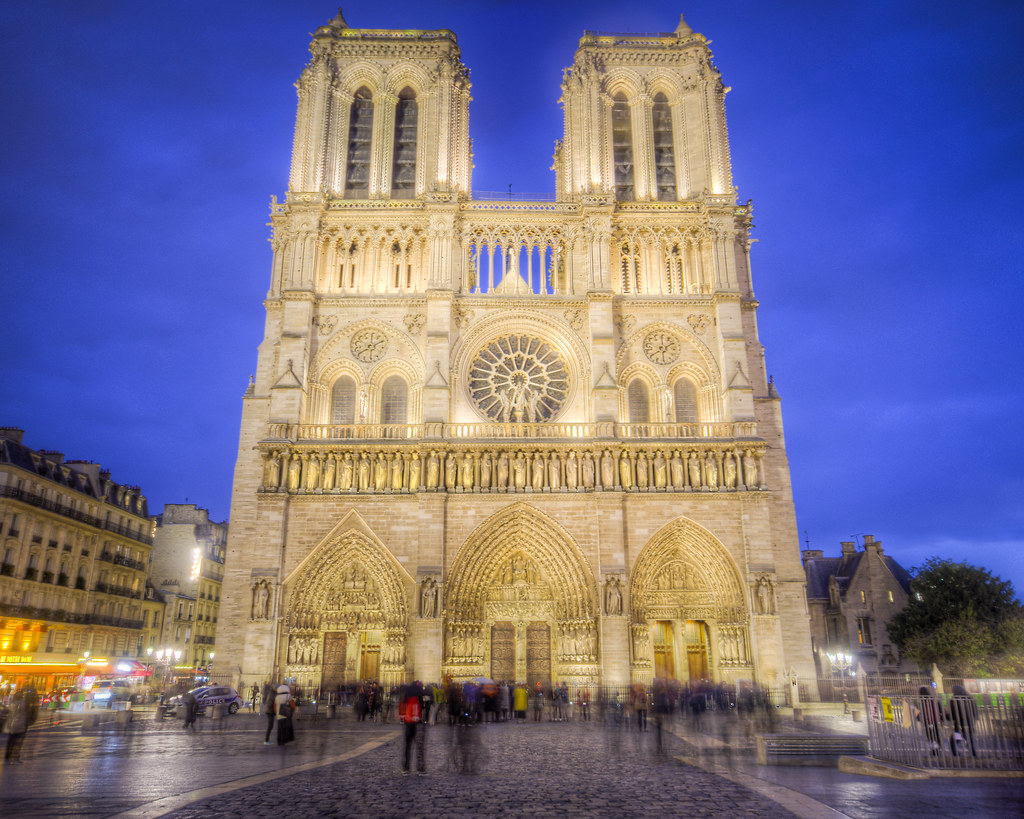
Holy Symmetry
Though the symmetry of Notre Dame de Paris stands out from the mere mortal constructs around it, I enjoy playing the game of identifying the breaks in its symmetry. Some of those are small, like the different statues around the building. Others are more significant, like the triangle in place or an arch above the left-most set of doors.
Afternoon in Paris
Lampson Falls (Definitive)
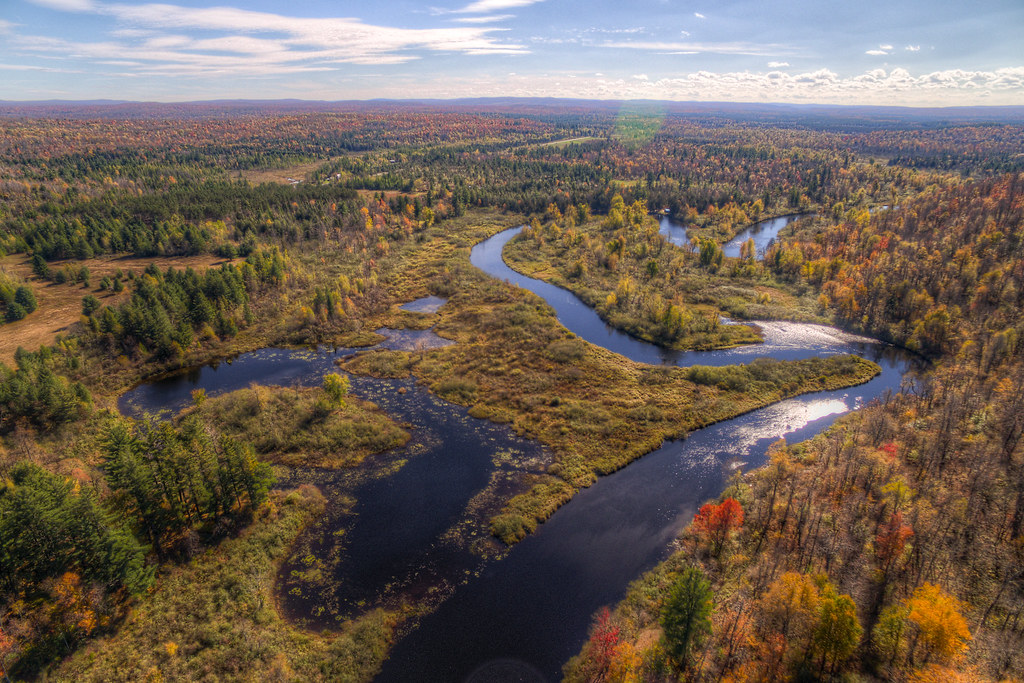
Wetlands in Fall
Even as deciduous trees enter their period of dormancy, a bright blue river winding its way through a wetland area can’t help but look rich and fertile. Just down stream, Lampson Falls change things up a bit.
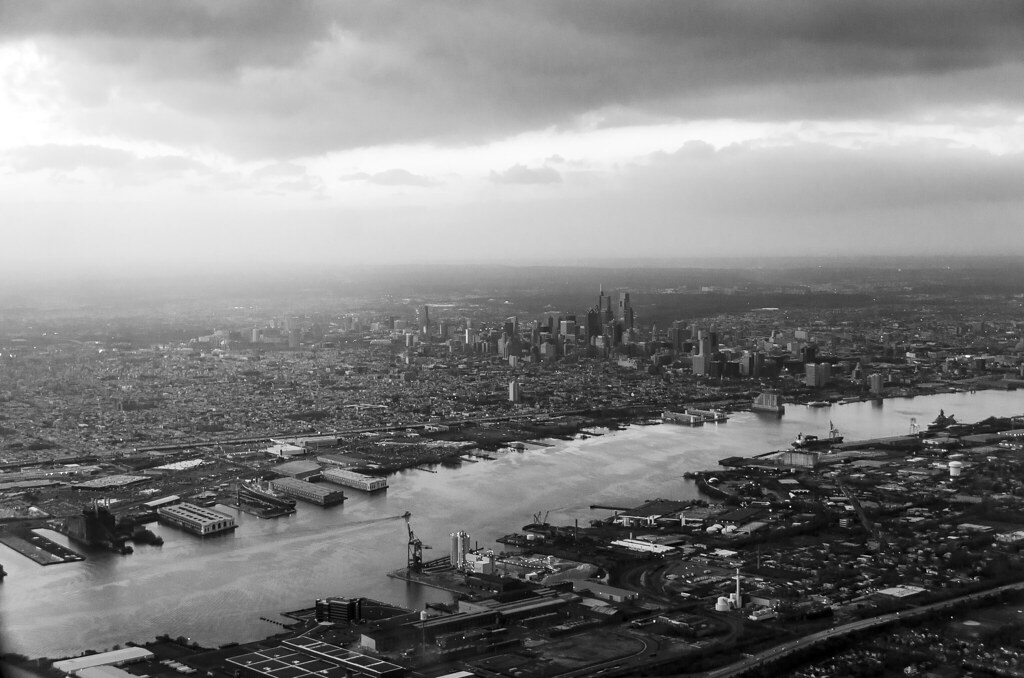
Philly and Jersey
City of the Living and City of the Dead
Though additional cemeteries in Paris were banned in the late 18th century, the Montparnasse Cemetery was opened in 1824 because the area had not yet been incorporated into the city. Today, it’s an odd dark space in the otherwise bright city. The idea of adjacent blocks belonging to graves and apartments has a polite kind of symmetry.
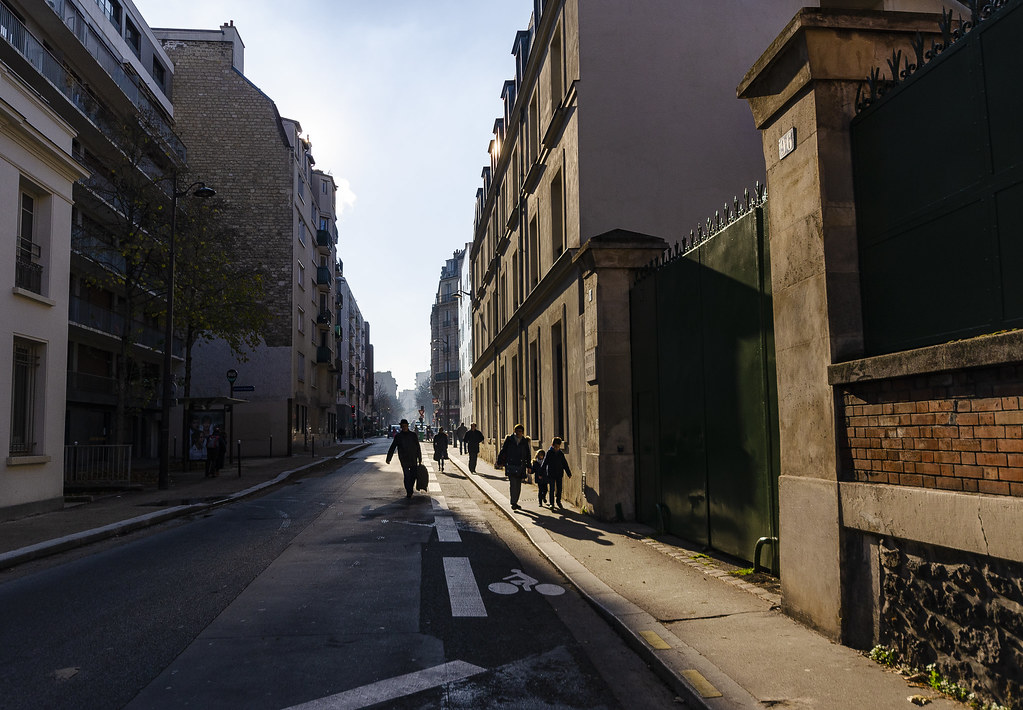
Standard Paris Street
The homogeneity of Parisian streets seemed a little bit anomalous to me until I visited the Catacombs and came to realize that much of the stone making up the city had been quarried from directly beneath it. The cave-ins and collapses that this eventually produced demanded the project of stabilizing these artificial caverns and ultimately made room for the human remains that now occupy them.
Brightest Tower
After nightfall, the Eiffel Tower puts on an hourly strobe light show that transforms the tower into a sparkly pillar in the city skyline. Much as a flash can brighten a photograph, this effect also means that long-exposure photographs of the tower make it the brightest object in the skyline by an order of magnitude.
Paris Catacombs
A certain anthropologist encouraged us to visit the Catacombs of Paris, and we were stunned by the walls of bones. In a decades-long project, more than six million remains were moved to caverns under the city.
I’m not sure I was really prepared to come face-to-face with so many skulls.