Staging Area

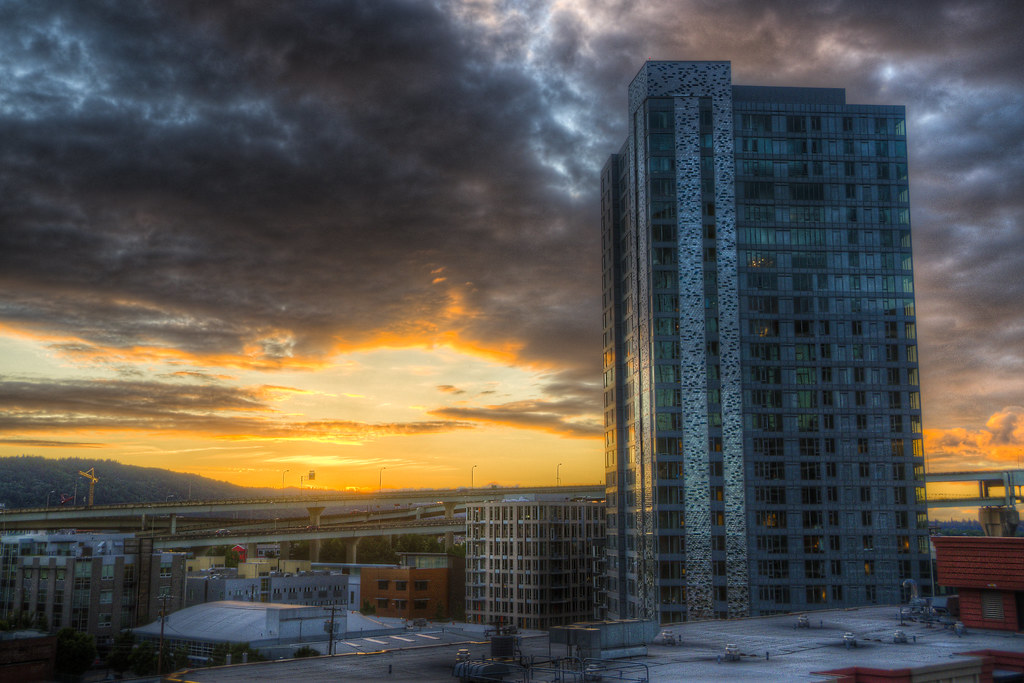
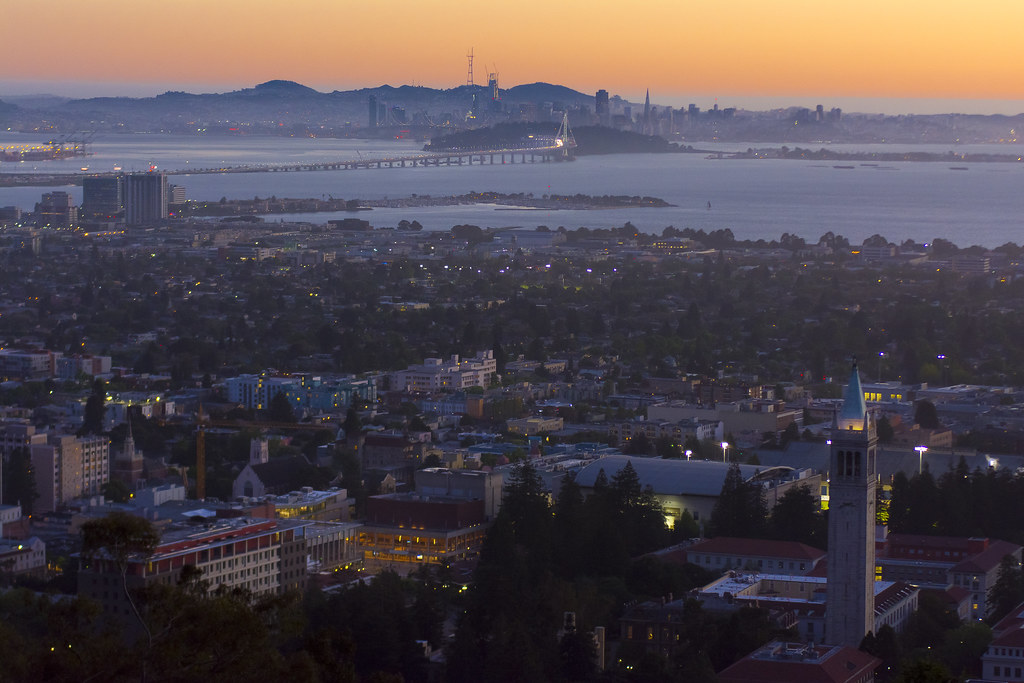
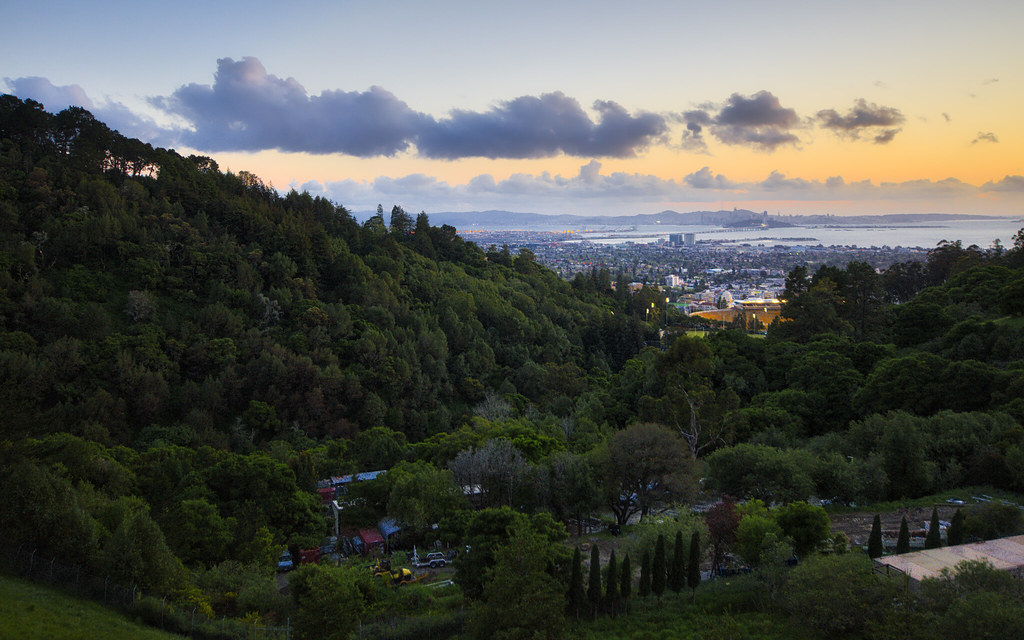
Even in one of the most expensive real estate markets in the world, there has to be a place to store the equipment that makes everything run. In the foreground of this view from Berkeley Lab’s Building 62 are the shipping containers and assorted equipment used by the physical plant to keep the lab running. I’ve always found the contradiction—using very expensive land to store mundane objects—to be an engaging one. Of course, if all of the land were employed for its “valuable” use and the practical aspects were neglected, the result would be that the land would cease to be valuable.
Staging Area

Marine Layer II: Revenge of Marine Layer

I produce a lot of photographs every year, but there’s still a special feeling when one of those images moves a friend or acquaintance so much that they ask for a print. This particular image, fully cleaned-up and pixel-peeped to optimizing for printing (after starting life on Instagram) is one such example. I have to admit, the sinuous curves of the marine layer snaking through the Golden Gate, and the shadows beneath the clouds providing additional contrast, are a solid image.

Marine Layer II: Revenge of the Marine Layer

Gathering to Watch from the Lab

Students from Berkeley’s campus climb as high up the hill as they can to watch the sunset behind San Francisco and the Golden Gate, but the barbed wire fence of the Department of Energy National Lab makes for a cut-off point. Far on the other side is Grizzly Peak: another great view, but one without the immediacy of this particular spot. Inside the perimeter of the lab, I had the opportunity to experience a set of perspectives both scientific and literal that are beyond the scope of everyday Berkeley life.

Gathering to Watch from the Lab

Quitting Time at the Lab

Snow covered northern New York this week, and the temperature rests in the single degrees Fahrenheit; now is an excellent time to look back at the warm eternal-summer glow of California. Particularly in contrast to the >60-hour-per-week graduate students down on campus, the “standard” workweek of staff at Berkeley Lab was a remarkably normal trend. At the end of the day, with that sunset light arriving, the workers who keep the physical plant running come outside into the evening breeze and head home.

Quitting Time at the Lab

Blade Running the Port of Oakland

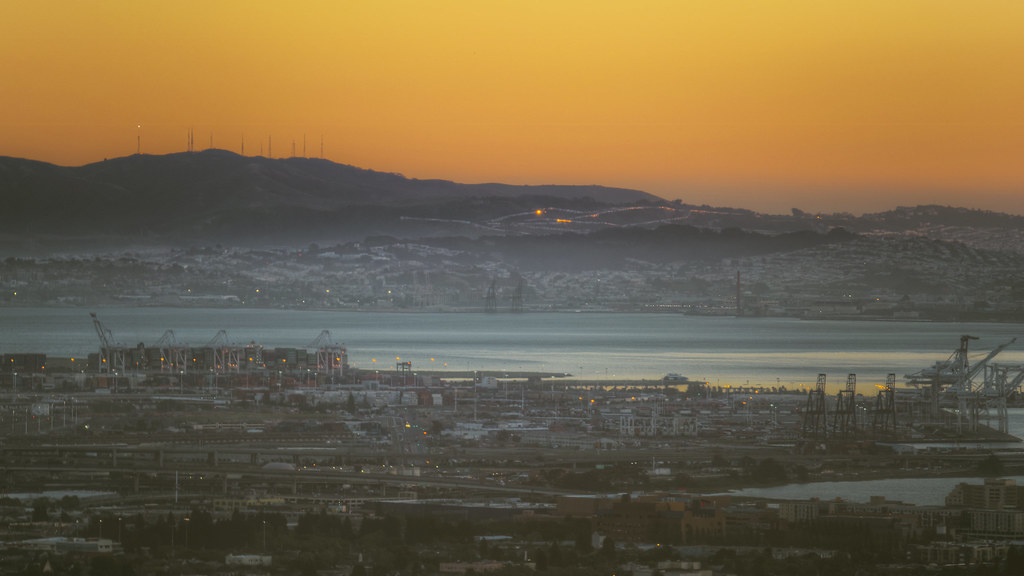
The Bay Area is already the setting for numerous cyberpunk adventures (like William Gibson’s classic Virtual Light—ironically set on the now-dismantled Bay Bridge in the “future” of 2006); applying a little Blade Runner grime to the present-day Port of Oakland and the towers across the Bay seems very appropriate.

Blade Running the Port of Oakland

Beaver Moon

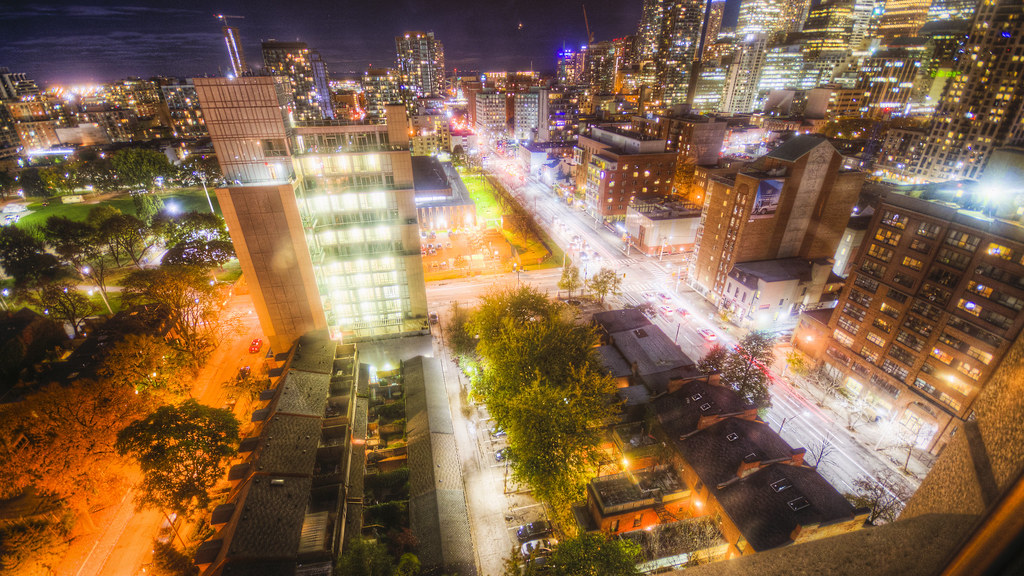
The “Beaver Moon” is the last full moon in November—the last time in the season, supposedly, when beaver traps could be set at night. How fitting that my first visit to Toronto, Canada occurred on just such a night. The city has a character that seems to be a mix of Vancouver-style modernism and Chicago-style Old City; it was a great reminder of the kinds of HDR shots that first attracted me to the technique to begin with.

Beaver Moon

San Francisco: Texture and Geometry

Beautiful San Francisco and its changing, growing skyline are the site of some incredible sunsets. This image from earlier in the spring features a sunset of mostly naturally induced colors, but the fires threatening the Bay Area at the moment are producing a much more intense set of hues.

San Francisco: Texture and Geometry

Transbay Tower Grating Effect

No offense to Salesforce, but the rainbow sunset reflections off the curved surface of their tower seem to fit much better with a building named “Transbay Tower”—particularly when it sits on the skyline near the Transamerica Pyramid. The darkened and humble shape of Alcatraz in the foreground makes for an appropriate memento mori to San Francisco’s grand architecture.

Transbay Tower Grating Effect