
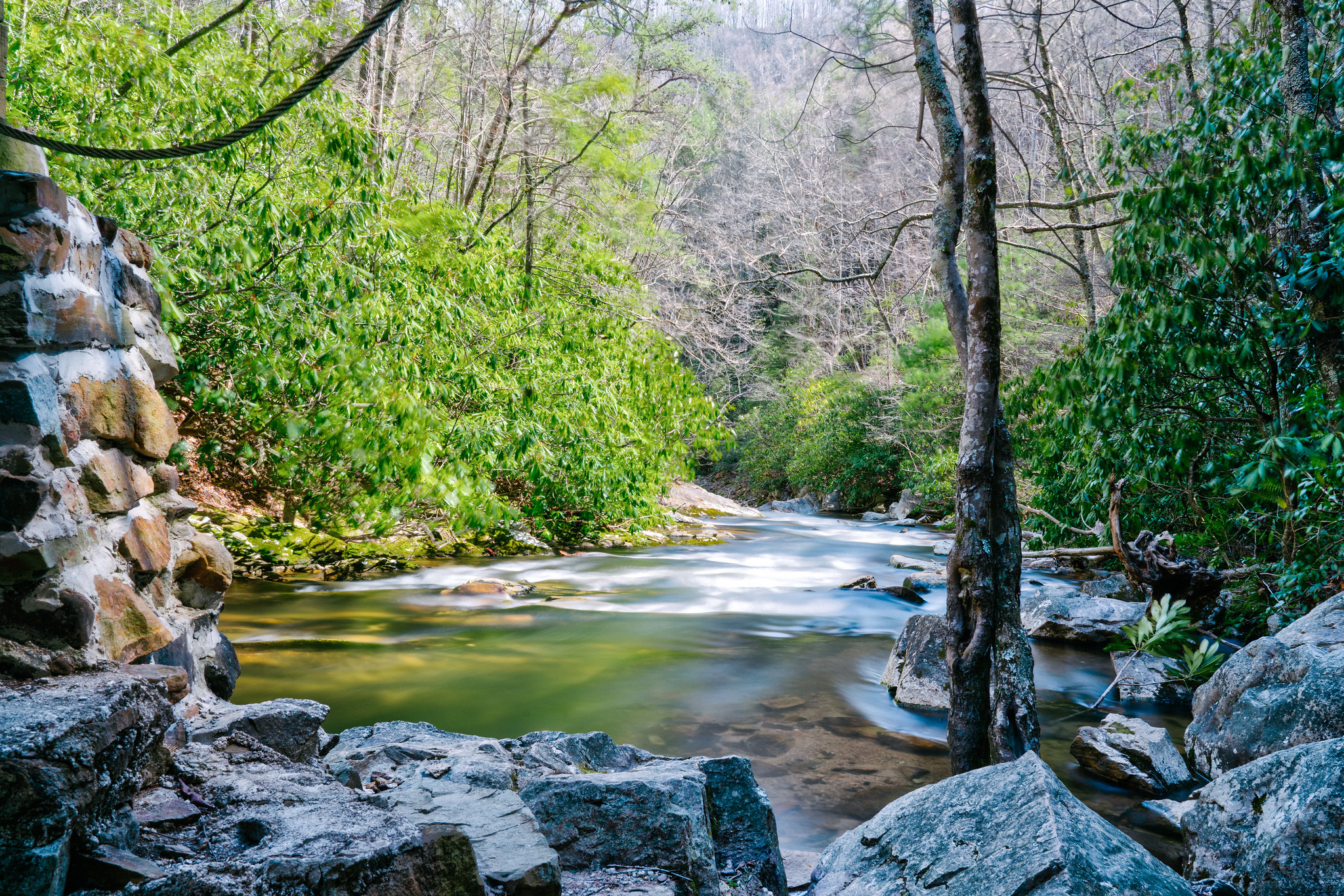
Mohonk and Its Setting
The Mountain House seems to float above its eponymous lake—I’ve lately been imagining it as an overgrown version of Howl’s Moving Castle.

Fall Visit
Good landscape photography advice: take your pictures from the top of the second tallest structure (or drone) around and let the tallest structure (like St. Lawrence’s Gunnison Chapel) cross the horizon.

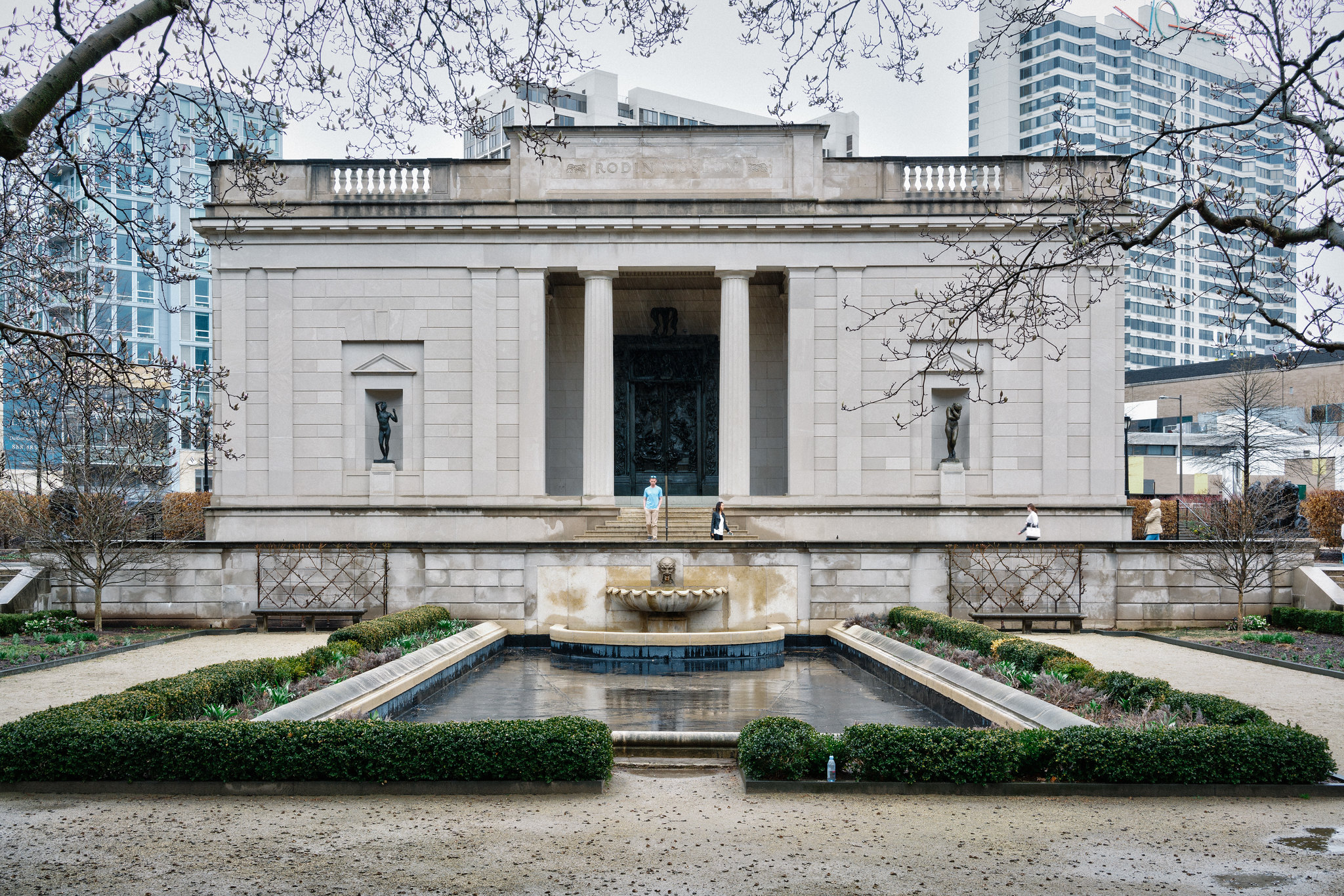
Rodin
Old Hotel
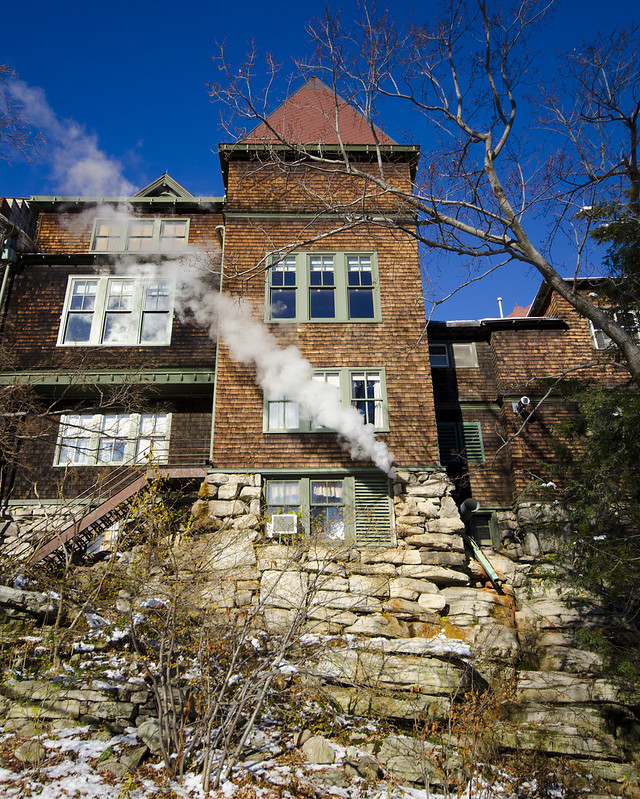
From modern lasers to something a bit older: the lakeside view of Mohonk Mountain House, looking much as it has for more than 100 years. The sheer face of the cliff contines into the structure and reflects in the water.

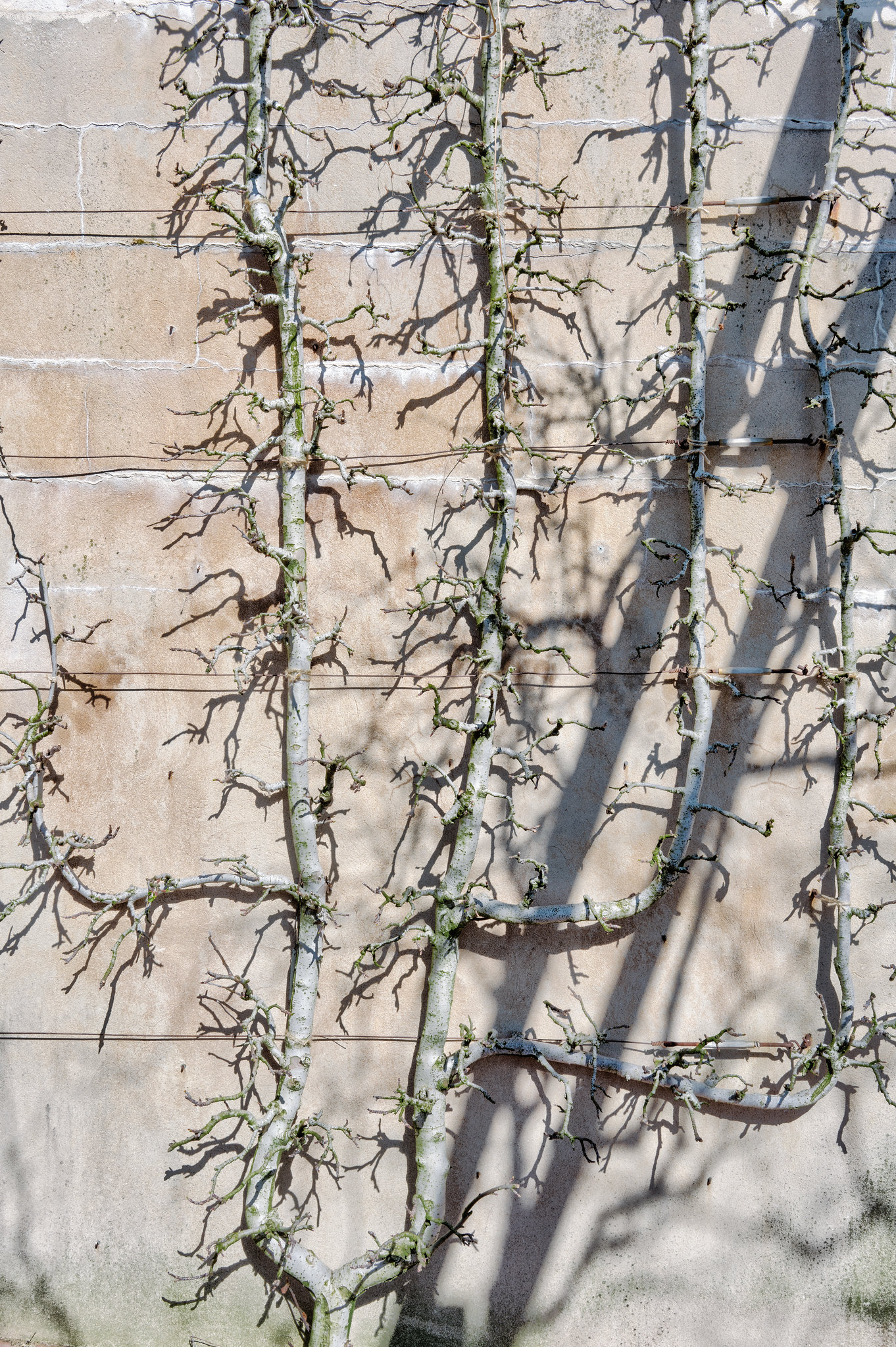
Dendrite
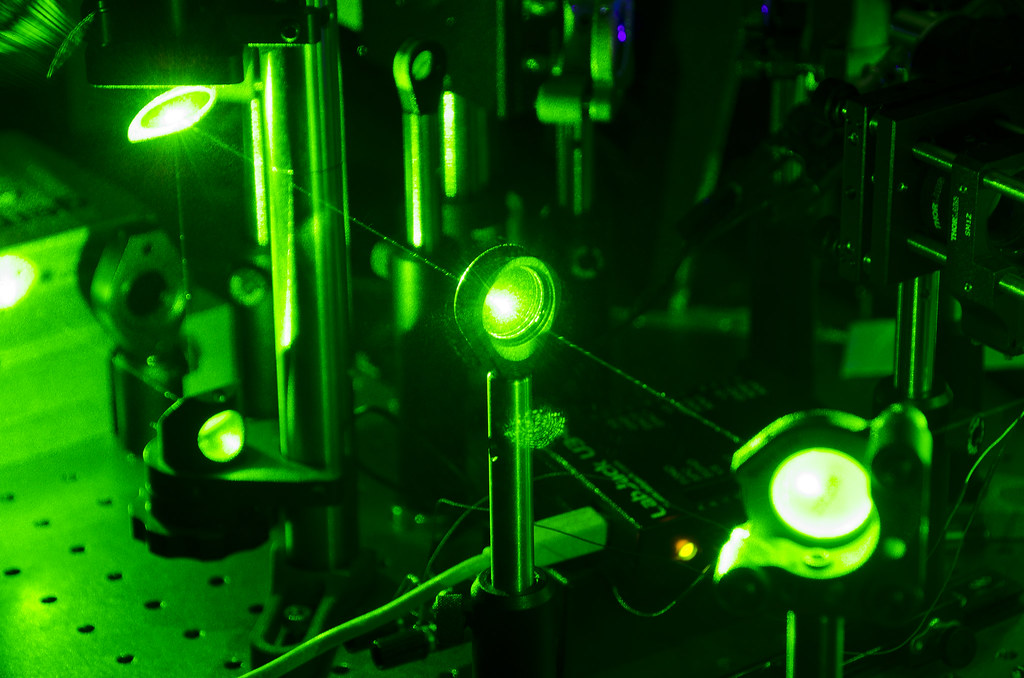
532 nm
In St. Lawrence’s Raman spectroscopy and microscopy lab, the most potent laser illumination source comes from a neodymium-doped yttrium aluminum garnet. This is a pretty ubiquitous laser source, but I happen to like it because it also demonstrates the value of nonlinear optics: though this laser is emitting light at 1064 nanometers (in the infrared), a suitable doubling crystal can combine two of those 1064 photons together to make a shiny new 532 nm photon.
Skytop and the Hotel
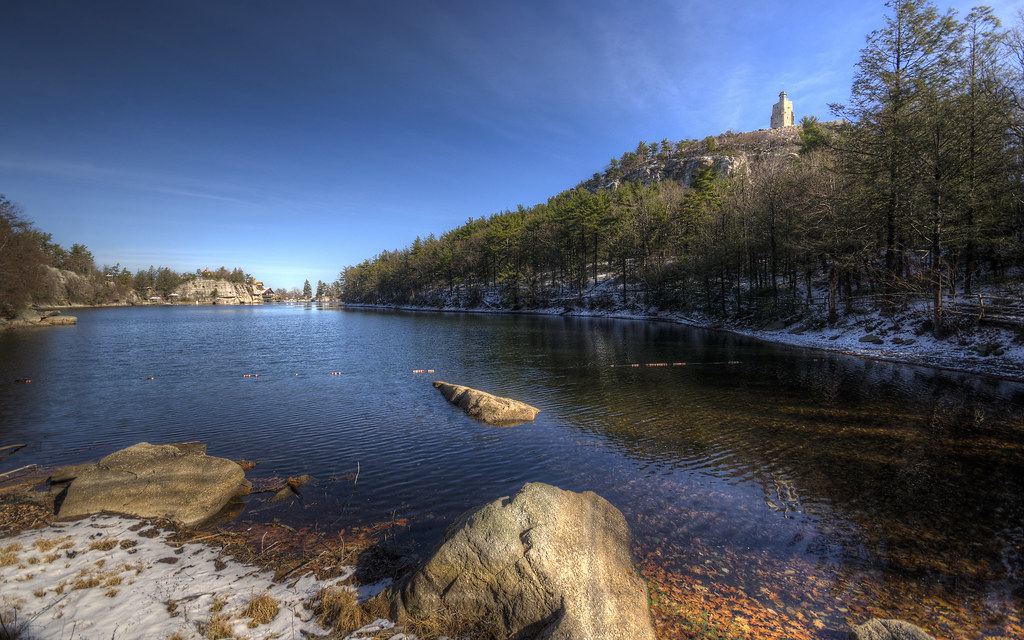
Mohonk’s Skytop appears as a small castle atop the hills near the hotel, but its reality is a bit more mundane: it was constructed as a watchtower for forest fires in the early twentieth century. Though no longer in use, it adds an extra hint of magic to the whole setting. The hotel (off to the left) sits on the water, and the tower touches the sky.
Straw
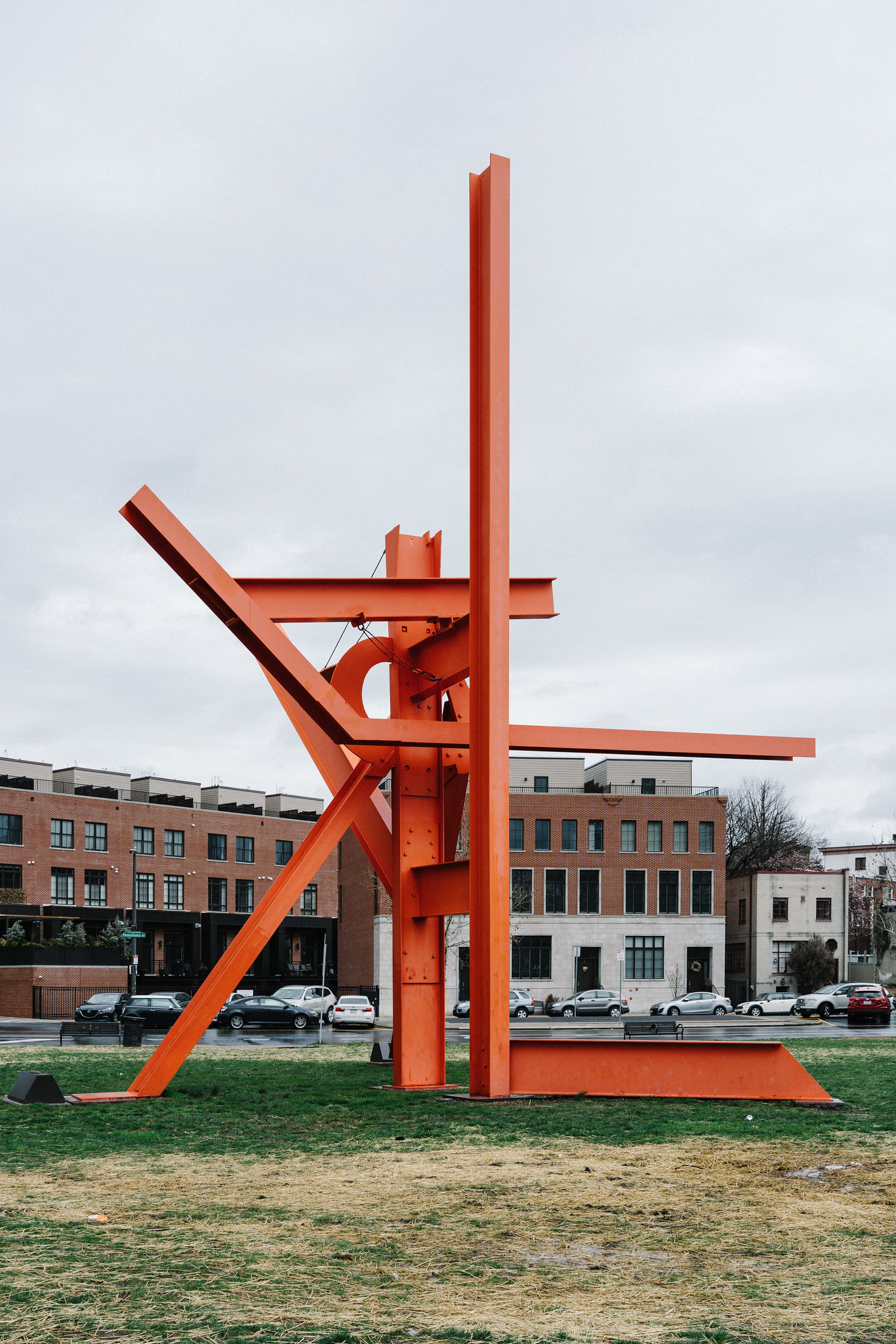
Photo of “Iroquois” by Mark di Suvero.
No More Canoes
There are many ways to define the seasons, with varying degrees of usefulness. (Solstices and equinoxes seem to have only the thinnest connection with the weather.) Perhaps the most valuable differentiation between times of the year is when one can reasonably be out on the water: “Spring” is that first moment when an afternoon in a canoe doesn’t sound miserable.

Brotherly Love

Hotel Services
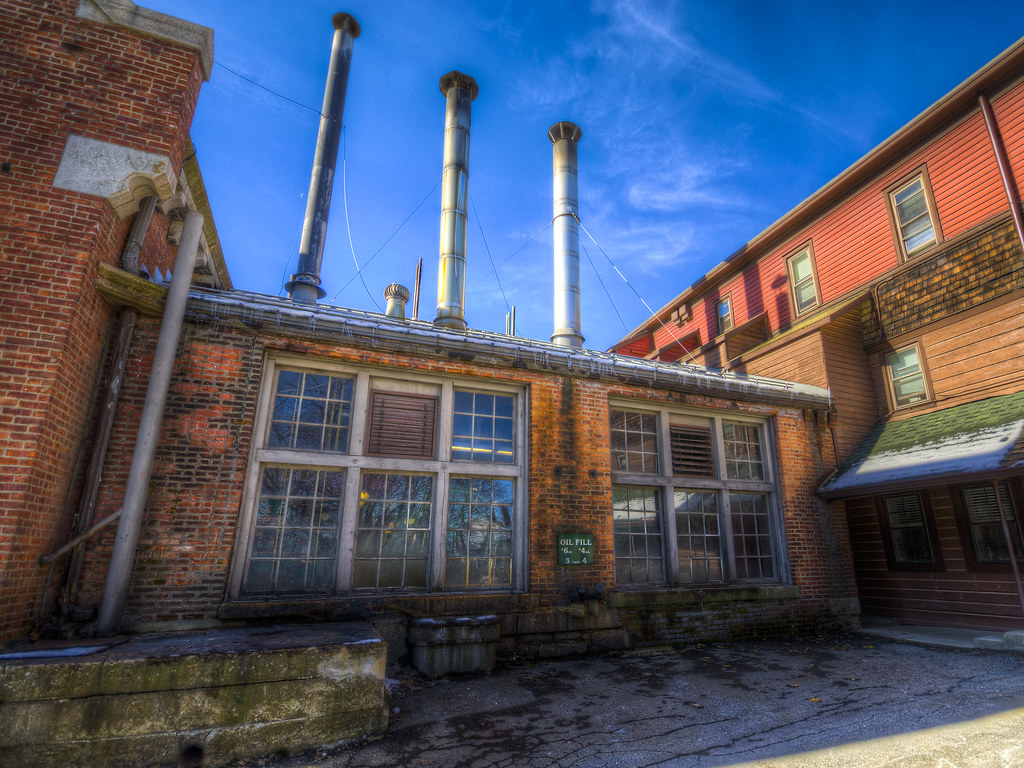
Even the grandest of hotels have infrastructure that supports the guest experience. For a grand old hotel like Mohonk Mountain House, that infrastructure is charming enough to be interesting in its own right.
Those early-twentieth-century structures—boilers and exhaust stacks and hand-painted signs noting the protocols for refilling the massive fuel oil tanks.
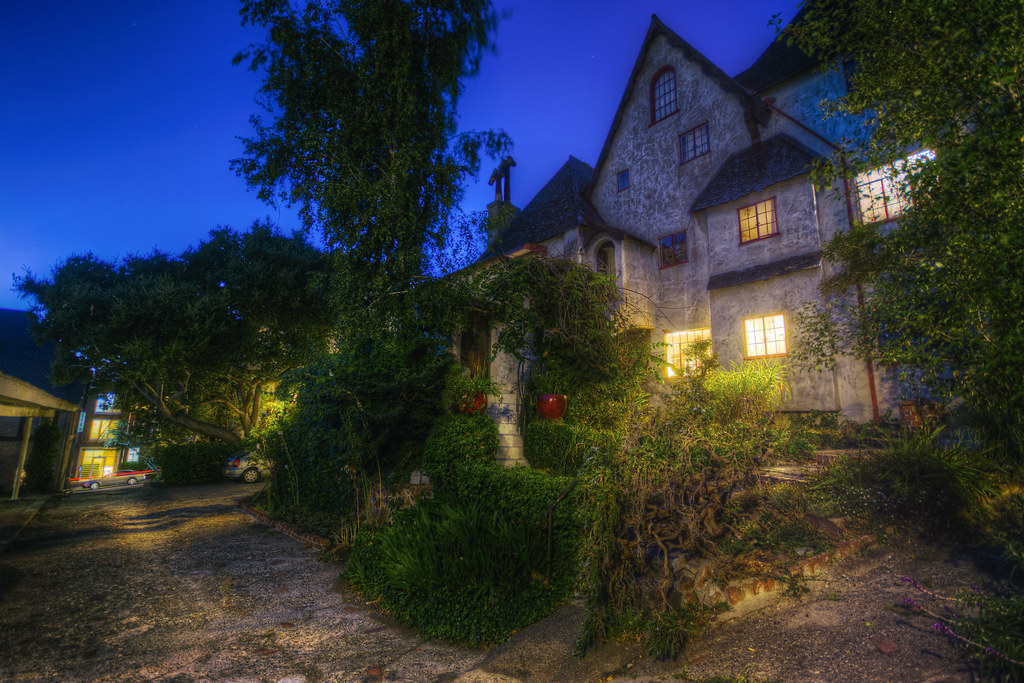
Last Nights in the Normandy Village
The end of sabbatical meant saying “goodbye” to the Normandy Village and its quaint weirdness. I’ll always remember them as my collaborator described them: “The little Hansel and Gretel houses.”
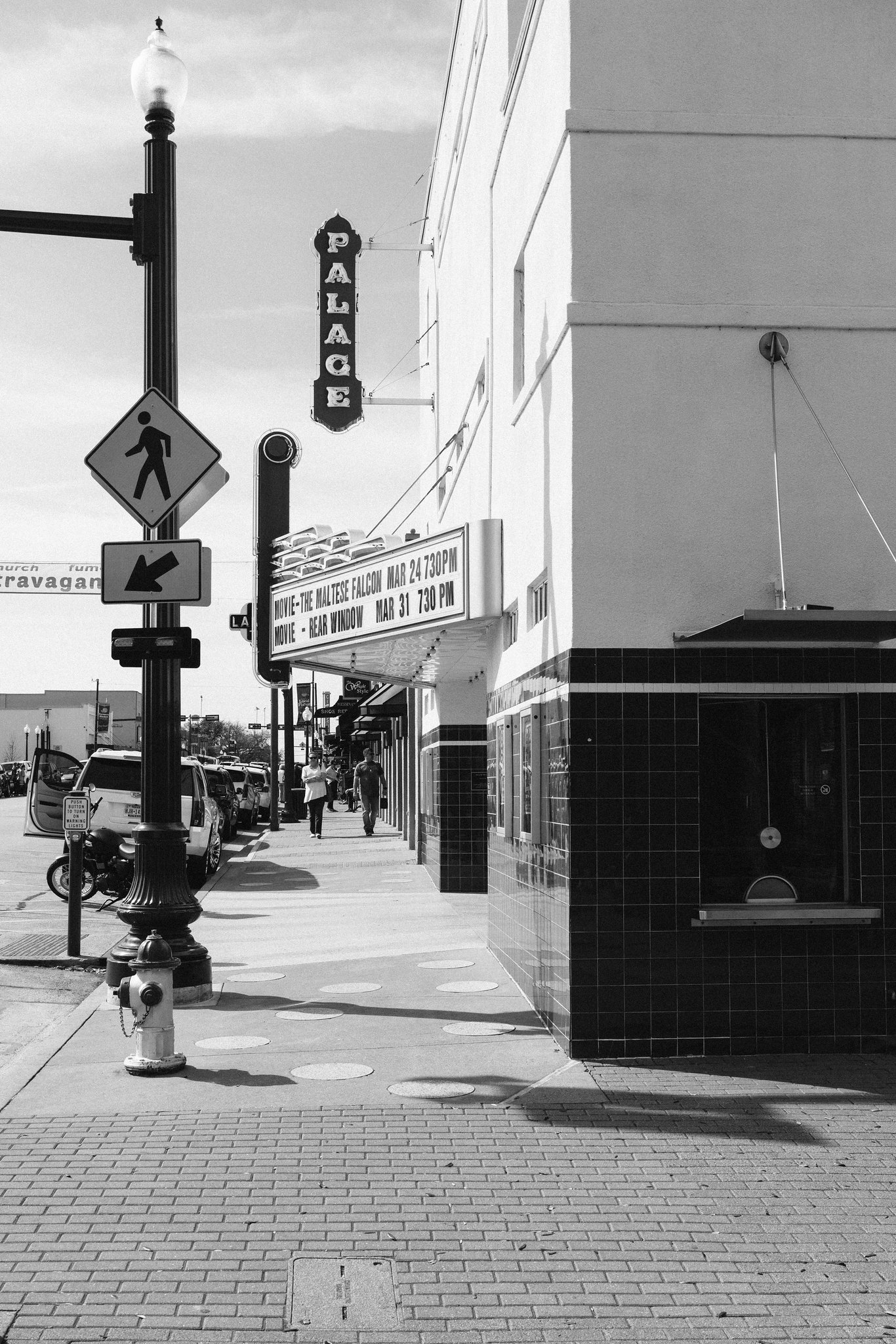
Classic Cinema
Mohonk Gold and Blue
Deep night colors on the snow cliffs contrast with the warm glow of the hotel; this could be an infrared image, mapping the local temperatures.


