Three Scenes from the Dairy Princess Festival

This weekend marked the crowning of a new Dairy Princess in Canton, New York, and with that crowning came a variety of festivities. A location scout for a charming movie about a small-town baseball team with moxie would have been hard-pressed to find a better vision of classic America. While eating an ice cream cone taller than my head and avoiding children running at full tilt, I had a chance to put my 35 mm prime lens to good use. I present three of my shots from the evening.

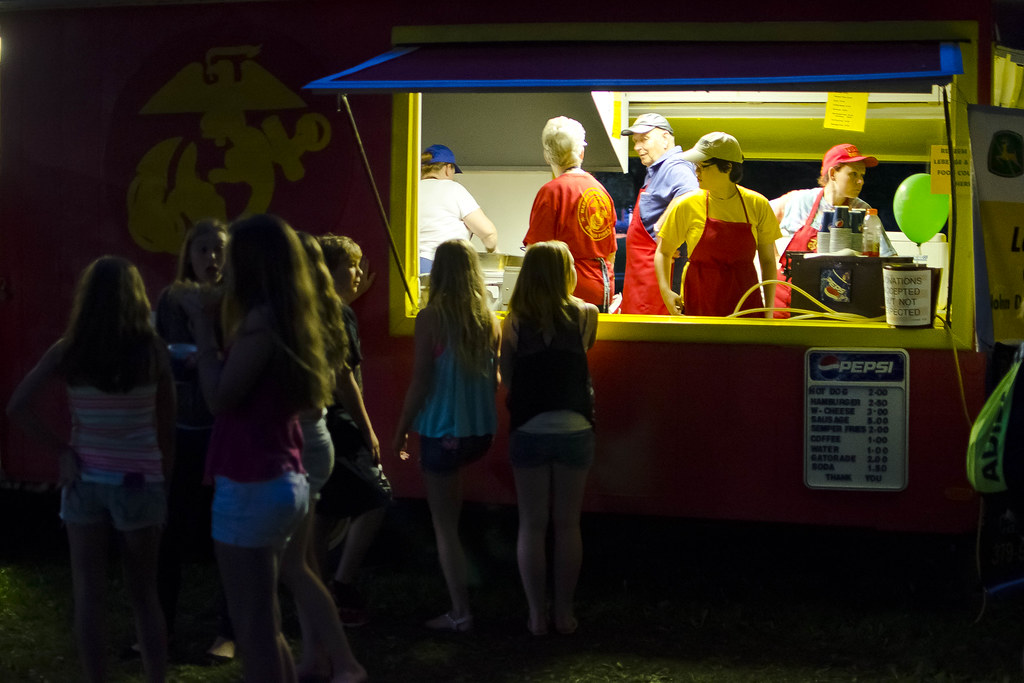
Ubiquitous food stands offer what you’re craving—as long as that includes sugar, salt, grease, potatoes, and caffeine.
Snack America

There were also, of course, the quiet asides between family members in quasi-privacy. I really liked the way that this side-conversation was also physically away from the lights (and crowds), even if it did push my poor APS-C sensor to its limits.
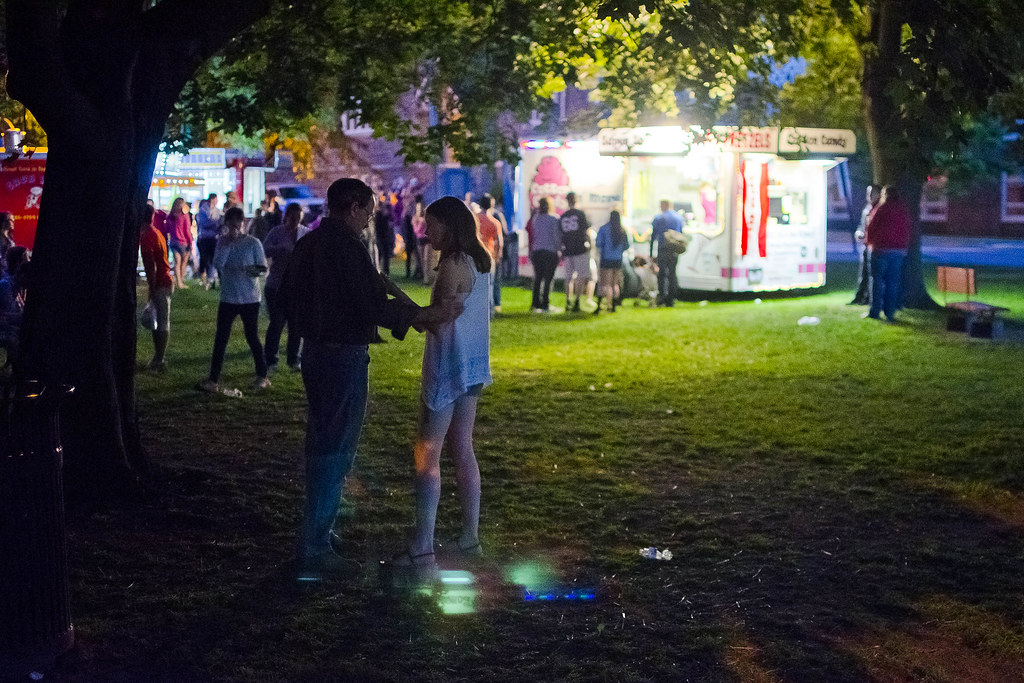
But Dad!

And what kind of American festivities would be complete without some live music?
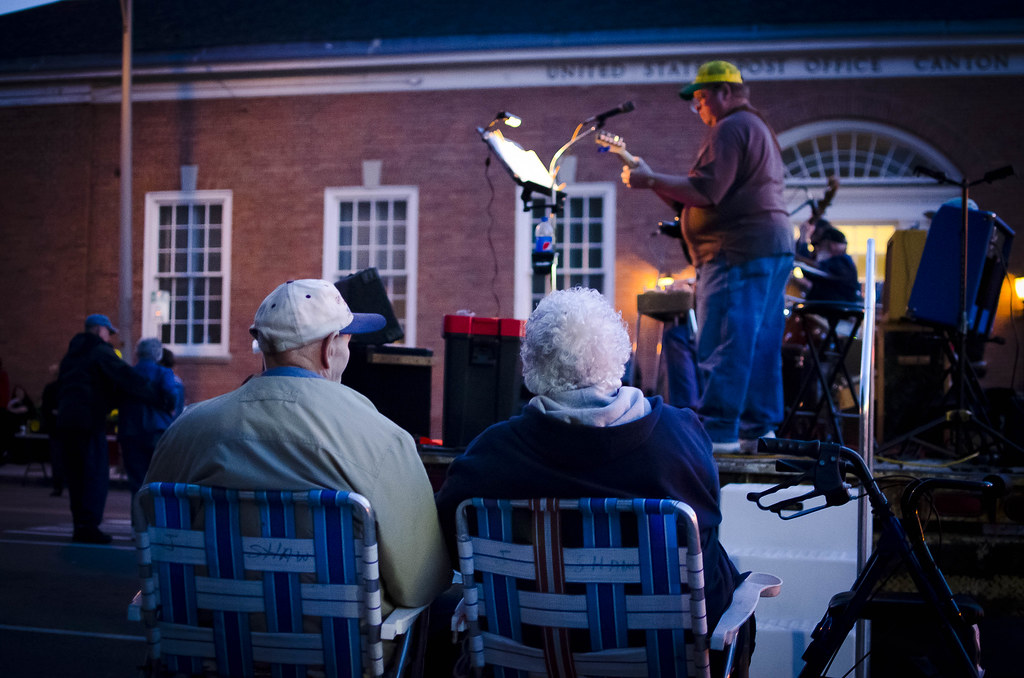
Elders with Music

Old Barn, New Summer

When barns are no longer needed, they so rarely seem to be torn down. Rather, they sink slowly back into the earth, like tree stumps. New life is bursting forth around an old barn, and it does start to seem like just another feature of the natural landscape.

It’s been strange to see the degree to which the seasons and cycles of the Northeast have started to influence my photography. I don’t know that I thought as much about the passage of time and the seasons when I was in California with its nearly-unchanging conditions (pick between rainy or dry, but that’s about it.) Doing landscape photography in a place with drastic seasonal swings makes me more aware of them than ever before.

Old Barn, New Summer

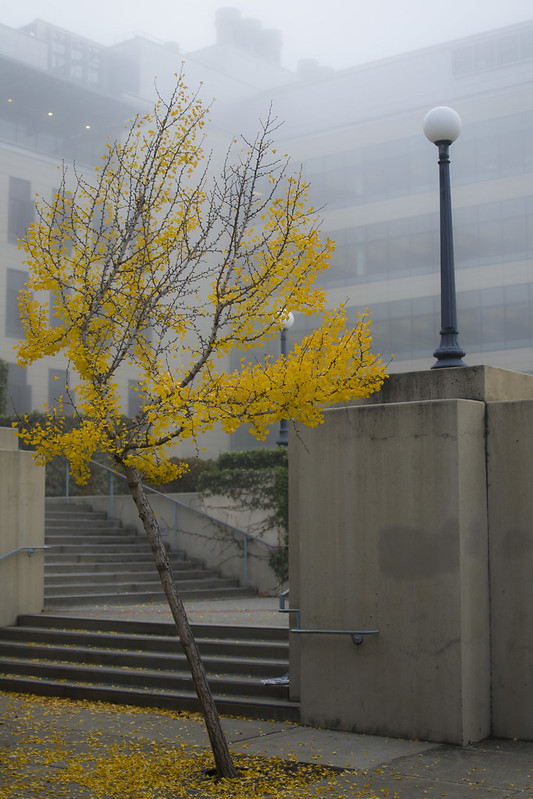
Berkeley Still Life

Berkeley is a pretty surreal place; as I process that, I thought my 400th post on Decaseconds might be a great time to really show it. The yellows of the birch tree are so sharp on a foggy fall morning, amid the hard, stained concrete of the past and the high-tech Li Ka Shing Building (one of my first-ever posts) materials. Visual contrast, both literal and metaphorical, align with the conceptual contrast of a place that prides itself on being countercultural while also being the birthplace of many of the technologies and ideas that make our modern culture possible.

Berkeley Still Life

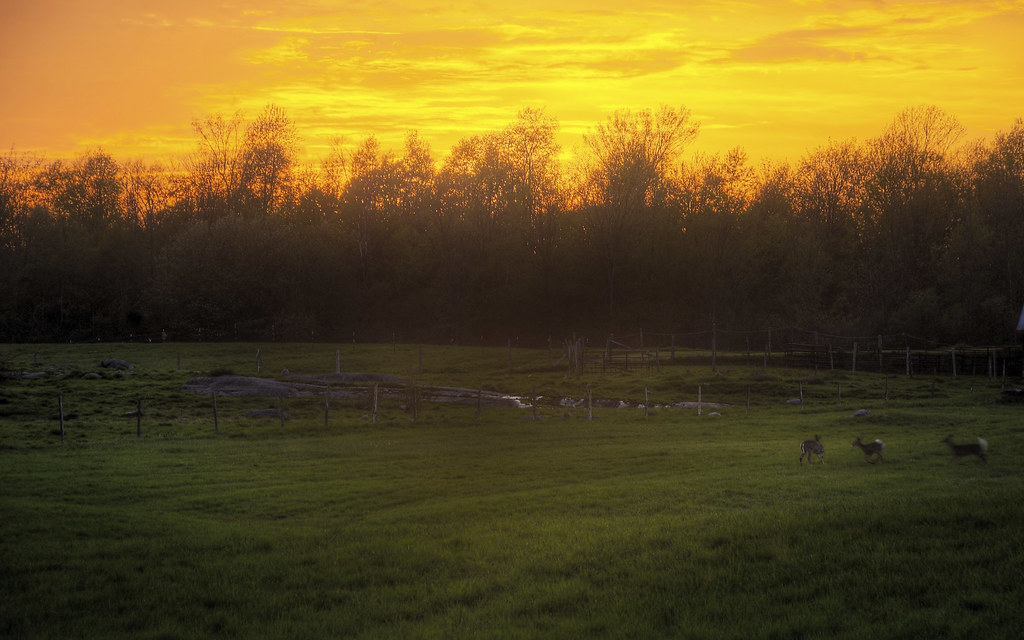
Deer Play

That perfect, after-dinner dusk moment: the deer (and the bugs) are out to play, and everything is quiet in the last un-Rayleigh-scattered rays of sunlight. Among the weathered fenceposts and glacier-carved rocks, deer are out to play. I’m interested by the idea that children play, and animals play, but the idea of “play” as something that adult humans do takes on a different meaning in the context of adult human culture. The concept of responsibility brings with it a parallel idea that to play is to behave irresponsibly, doesn’t it?

But don’t dwell on that. The sunset is enchanting and the deer are having fun. I will, too.

Deer Play

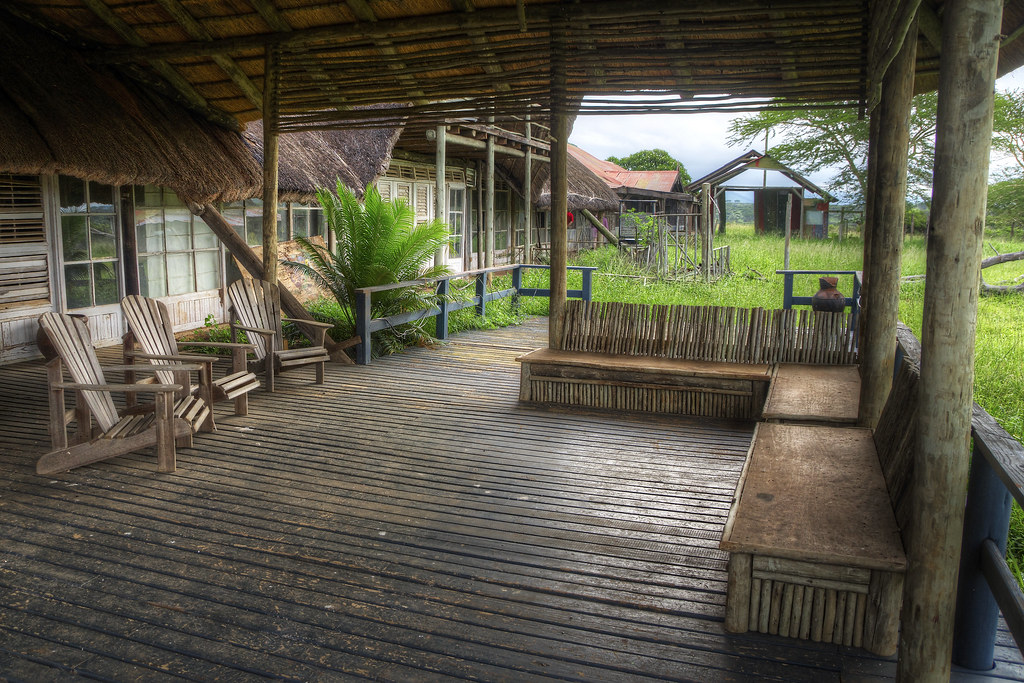
Take a Break (Abandoned)

During our time in Zulu Nyala (in eastern South Africa), we visited the set where the film “I Dreamed of Africa” was shot. Since the movie was finished, the area has been used for some other purposes, but it’s largely intact (if abandoned) in the state it was when it was last used. The benches and chairs are welcoming, even amid the overgrown grass, but in places you find the strange artifacts of the set’s true purpose. One-way mirrors and weird hiding-places for cameras are all over the place.

Take a Break (Abandoned)

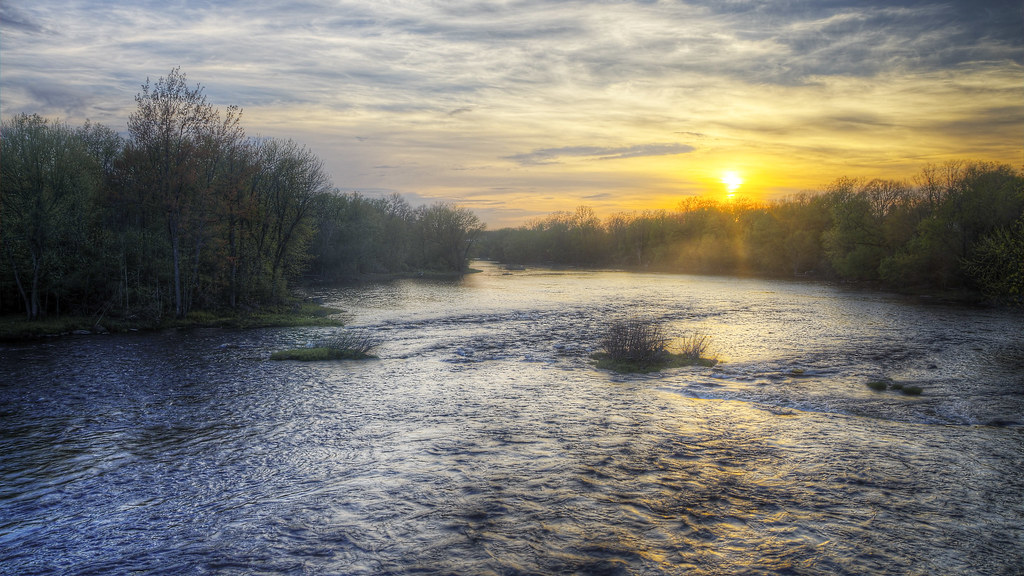
Sunset and Lazy River

When I discuss HDR photography, I usually borrow the words of Trey Ratcliff and the idea of better capturing a scene as the human mind perceives it. In the case of this particular sunset over the Grasse River (the North Country at its prettiest), however, I feel like HDR has captured even more than my eye could perceive at the moment I took the picture. This is not only because of the increased dynamic range, but also the resulting detail in the trees by the bank and in the wee islands and rocks. I was too distracted by the intensity of the sun when I took the original image to spend time on the details of the scene, but now I’m glad to be able to look back to those details to really place myself in that moment.

Sunset and Lazy River

Summer Sunset Farm

On the quiet and winter-crushed roads outside of town, the density of nuclear mosquitoes skyrockets when summer finally arrives. Standing on the edge of a glacier-scared field, under the dome of clouds, and watching the thermonuclear fireball of our star vanish over the horizon, it’s easy to feel small. But if science allows me to understand these phenomena and my place in the world, the nature of what an image of that world means changes.

Summer Sunset Farm

Tiny Doors to Knowledge

On a cloudy day, the Cathedral of Learning at the University of Pittsburgh has a softness to its stone exterior. (Its interior, as I’ve shown in the past, is equally stunning.) The sense of scale to the image (and the distortion of the wide-angle lens) can play tricks on your mind, making the whole scene seem smaller than it really is. To get a feel for the imposing/soft contradiction, concentrate on those improbably small revolving doors. They must be human-sized, right?

Tiny Doors to Knowledge

Self Portrait 2014

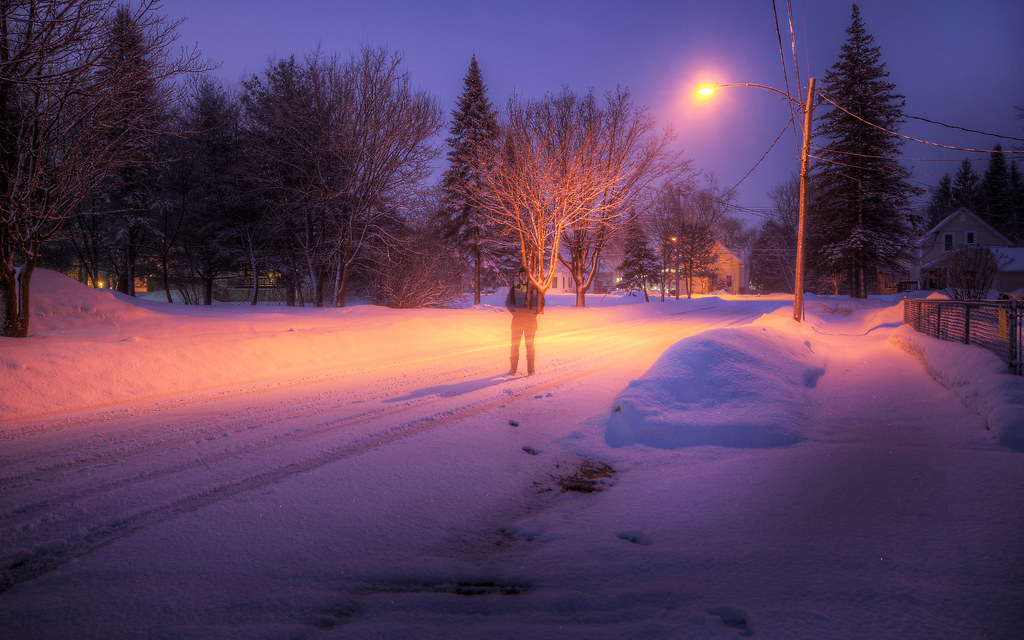
I often find myself using a timer in place of a cable release to remove camera shake on long-exposure shots—why not use that time for a bit of a “landscape self-portrait,” too? At the end of a long winter, in the dark of night, when it seemed that cold and precipitation dominate forever, my own presence in the environment and in reality is ghostly and insubstantial.

Self Portrait 2014

Four Images of Fermilab Prairie

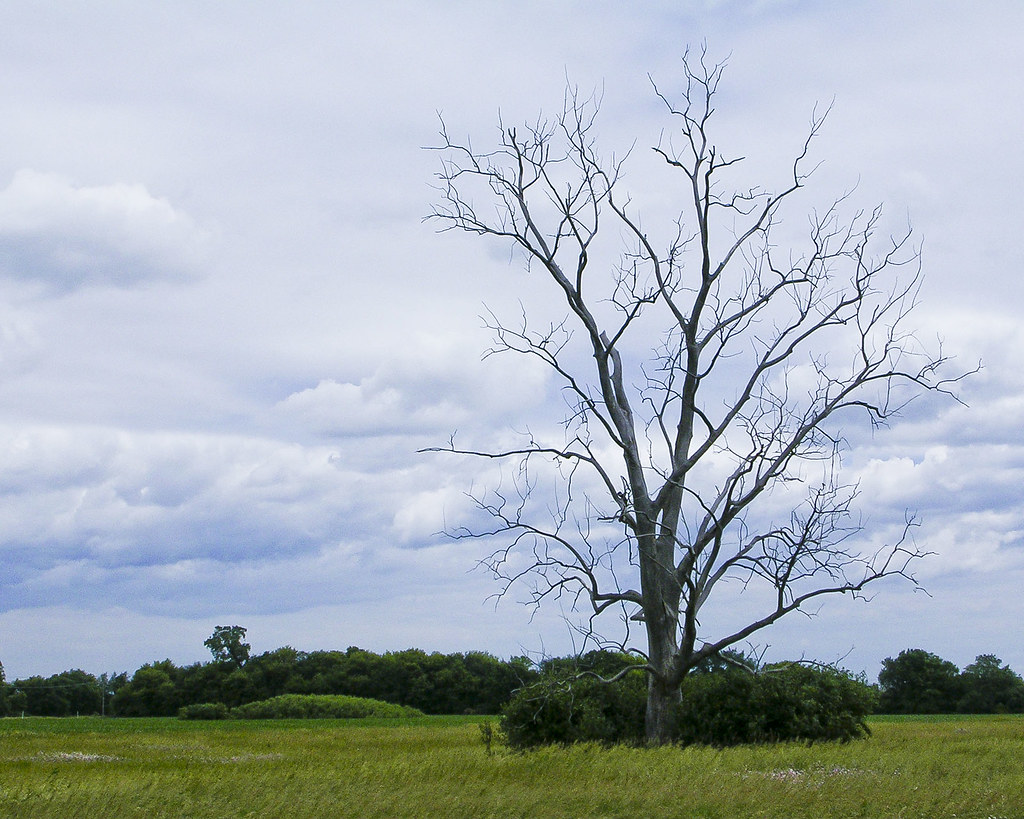
For 28 years, the Fermi National Accelerator Laboratory in Batavia, Illinois was the site of the now-dormant Tevatron particle accelerator. For three summers during high school and college, I worked in the archives there, helping to catalogue, maintain, and restore the physical history of the place. (Given the time frame of today’s pictures—the early 2000’s—you’ll forgive the poor image quality.) I wanted to share a few images of the place (in particular, its enormous swaths of restored prairie) and try to convey to you the everyday feel of the place.

Perhaps the most salient feature of the lab is the prairie itself. Other than a berm over the accelerator, a few tangential buildings, and the main complex, the vast majority of the 6,800-acre site is natural midwestern landscape, dotted with disused farms and watched over by birds of prey.

Fermilab Prairie I

The reason for the old farms and strange buildings is linked to the provenance of Fermilab: in the early 1960s, towns competed to be the site of the latest and greatest national lab. The town of Weston, Illinois won the honor, and in doing so, ceased to exist. The residents were bought out (by the choice of their village board) and the remnants of the village still exist on site as ancillary buildings (including the archives, where I worked.)

Fermilab Prairie II

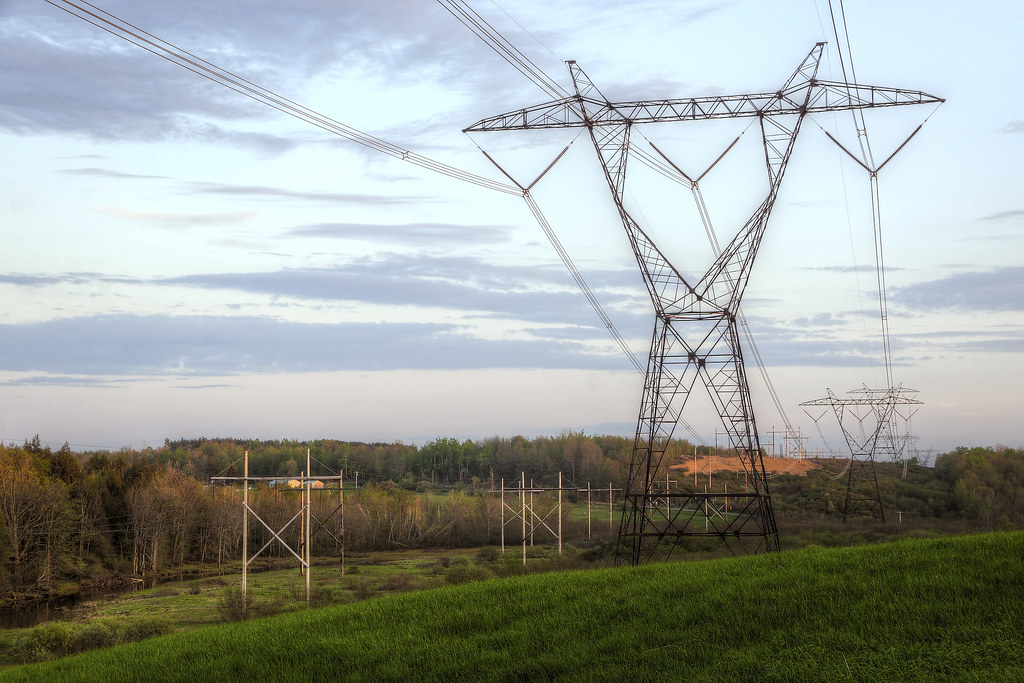
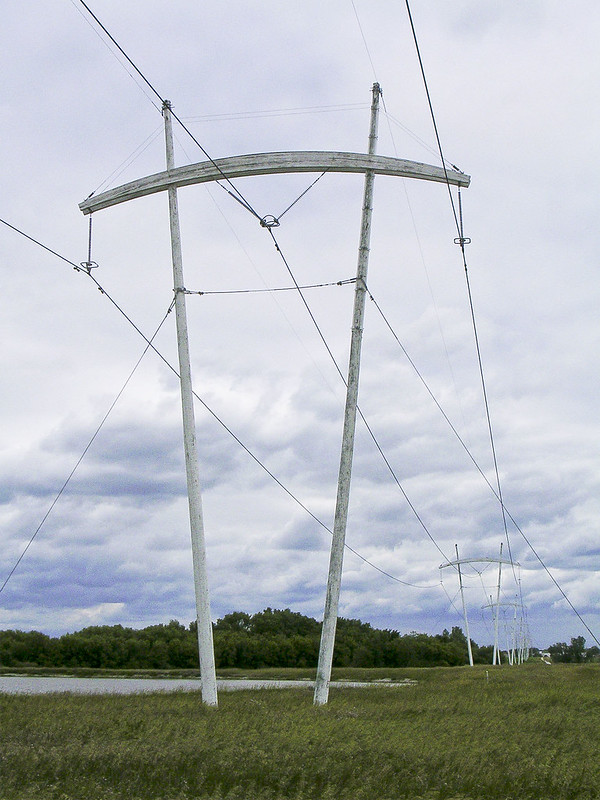
The farmland was largely restored to prairie, and the unique buildings of the lab were assembled. Among the fascinating sights at the lab are these Shinto-influenced power lines, designed by the lab’s first director, R.R. Wilson. (He was also responsible for the lab being finished on-time and under-budget.)

Fermilab Prairie III

Wilson Hall, seen in the distance of this landscape, was named in his honor. Here you can see some of the lab facilities proper, including a beamline on the left of the image.

Fermilab Prairie IV

Snow Is Gone

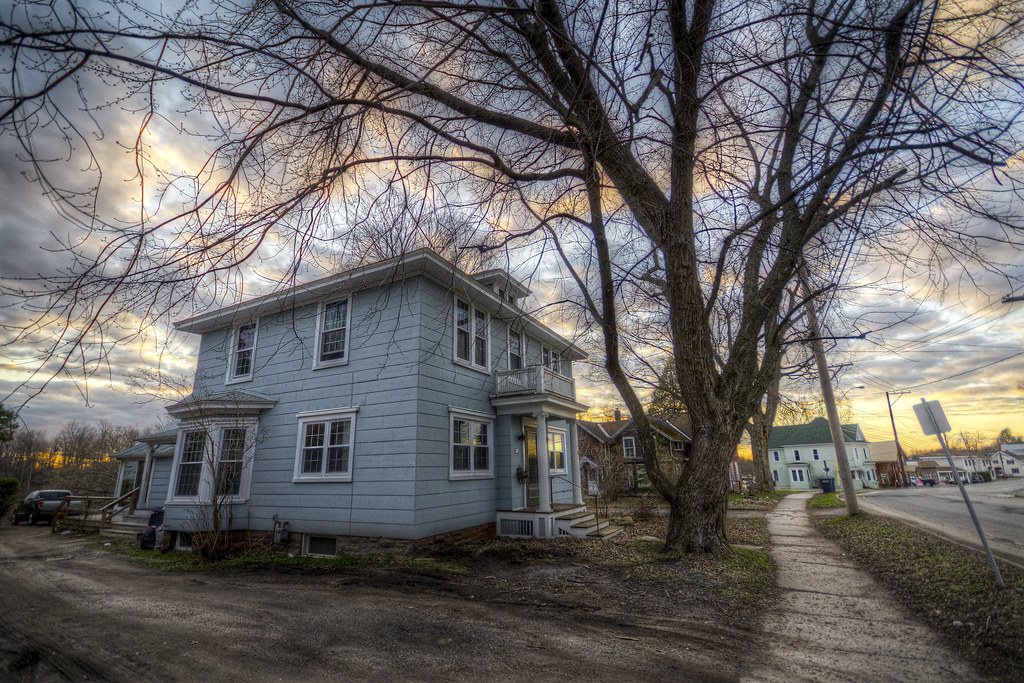
Spring is late to the North Country, and though the snow is gone and the homes have (mostly) survived, plant life hasn’t yet surpassed the “first hints of green grass” level. There’s nonetheless a certain crunchy, dusty beauty to the sunset now—one that is nicely offset by the glossy reflections from window panes.

Snow Is Gone