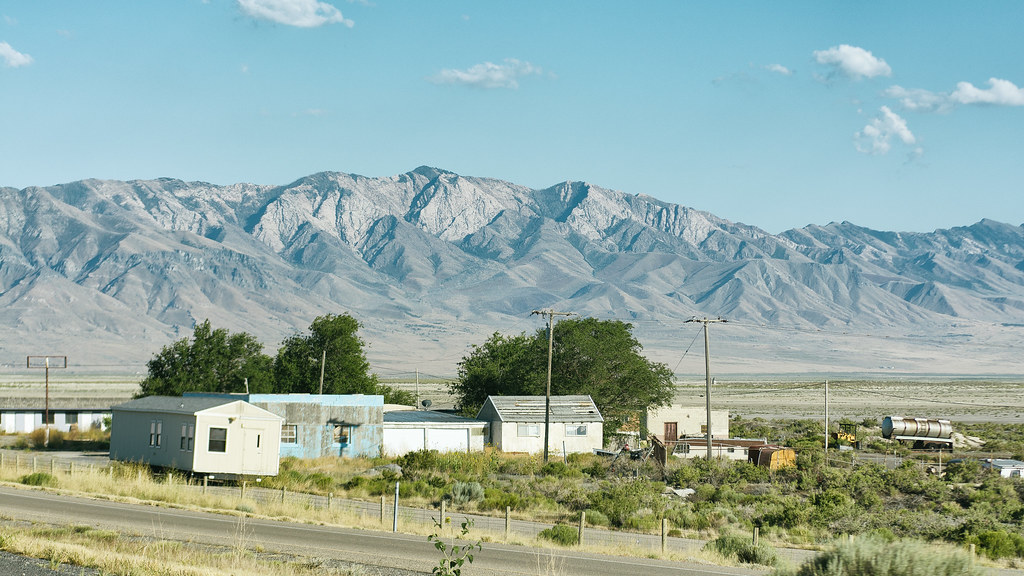
Huge population growth in the American West led to a lot of new construction; I see the same thing in my remote area of Northern New York. Unlike up here, where storms and seasonal temperature cycles destroyed many of those structures after they were no longer useful, this partially inhabited area in Utah remains well-preserved.
Tag: Village
That Was Home
Arriving at the one-year anniversary of the end of my sabbatical time in Berkeley, I’ve also reached the end of processing pictures that I took while I was there—though many more will be posted in the future. Our apartment was on the second flood of this build, where the screen of the same laptop on which I’m currently typing lights up the bottom-right corner of the window and the narrow slit of dark windows were over the kitchen sink where I’d cook dinner.
First-Order Castle Approximation
There are no crenelations, gates, or moats; this is not a place to hold off an invading force. Nonetheless, the châteauesque architecture of Berkeley’s Normandy Village seems like it could fairly be called a castle, filtered through generations of repeating architectural patterns. With each generation, the style moves farther from the functional reasons for its original existence.
Last Nights in the Normandy Village
Where the Cars Sleep
Given the extraordinary nature of the Normandy Village, “regular” cars seem oddly out of place. Perhaps that in part because the average car has grown so significantly in size since the little bays of the village were built.
Normandy Village, Inside and Out
My messy sabbatical desk in the Normandy, sitting next to some enormous (if leaky) windows, was home base for a glorious eight months. I’m glad I paused to take a picture of it as it was (rather than in perhaps a more photogenic state.)
Heading out from the Normandy Village, the crazy brick patterns, tiny windows hidden under the eaves, and trees sprouting from the concrete give way to the mid-twentieth-century architecture of Berkeley instantly. Exiting means stepping through some kind of spacetime membrane back to reality.
Normandy Village on Sunday Morning
Brittany Village
Night Trails in Normandy Village
Morning in the Normandy Village
World Bridge North Country
This Adirondack-y bridge connects SUNY Canton’s campus to town across a branch of the Grasse River. The photograph is a metaphor for the college experience: being a little apart from the regular world, in a place that’s just a bit magical. On one side of the bridge are normal houses, normal roads, normal life; across the bridge is a gently lit path through the woods. Very Rivendell-esque?
Small College Town
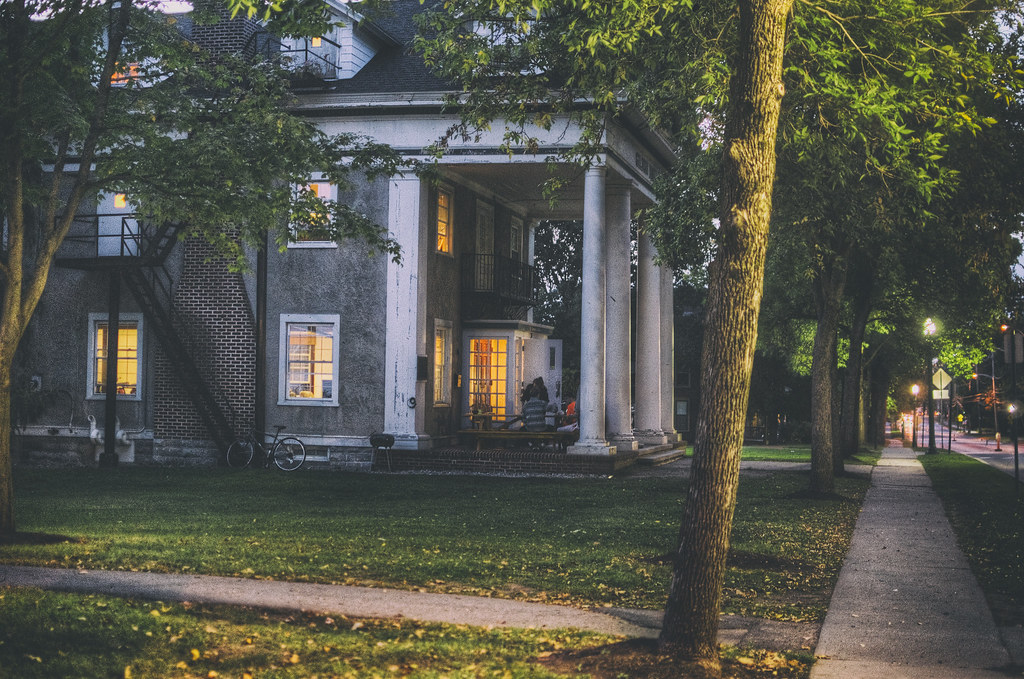
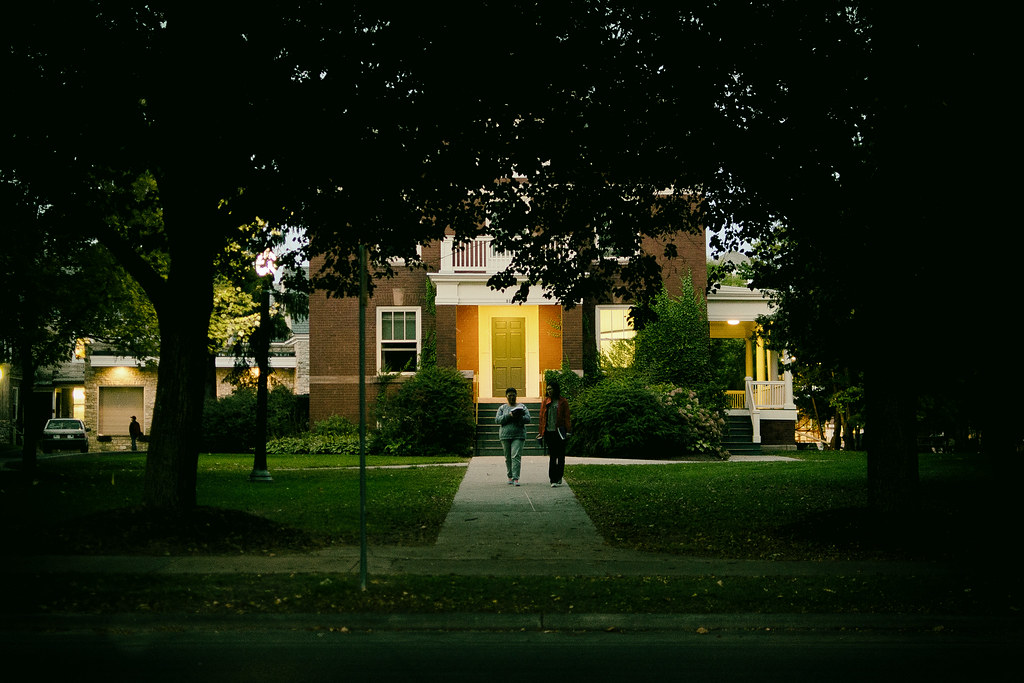
There are a lot of small, rural towns with the odd culture bloom of colleges planted in their cores. I think it’s the ancillary buildings, the old fraternities and club houses with their mix of higher grandeur and shabbier paint, that most signal one of these villages
That extra school year energy of students wandering the campus at all hours provides an extra energy to a sleepy place. I miss it in the summer.
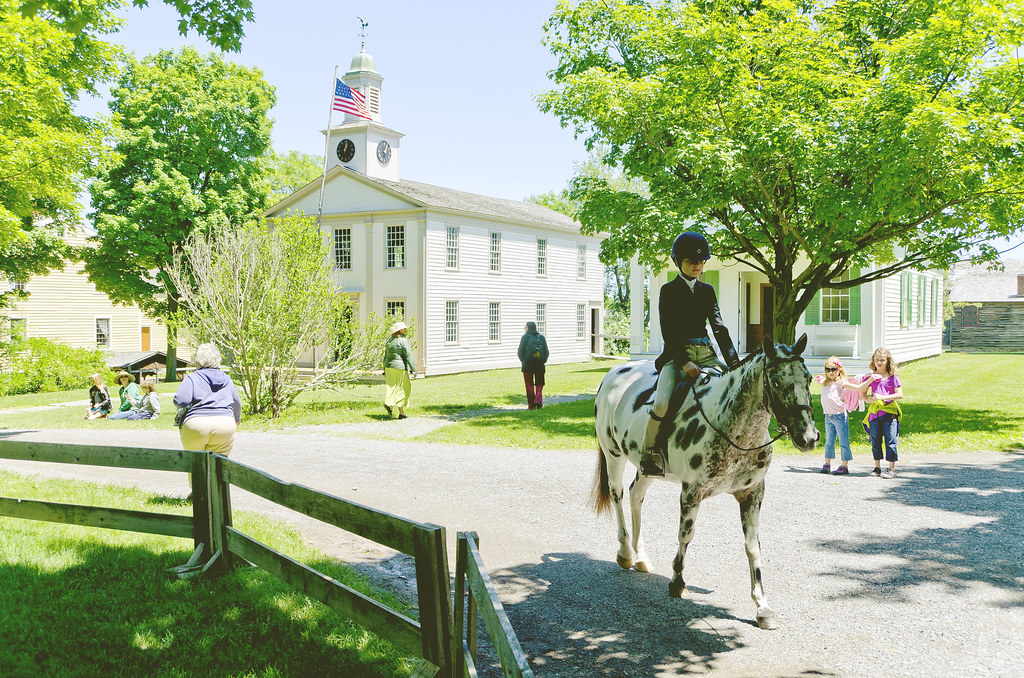
Riding a Horse in Town
Winter Street
Photographs with late-model cars and trucks have always been an odd challenge to my photography; they tend to appear as ugly, pedestrian chunks that I try to avoid in otherwise charming scenes. (The world has enough documentation of Toyota Corollas and Ford F-150s.) However, when I look back on old photographs from the mid-twentieth century, it’s inevitably the cars and the clothes of the past that are the most charming aspects. The common-car-filled images that I capture in the present must be a sort of investment; the boring cars of today will make this image a classic document of everyday life in 30 years.
Views of the Past
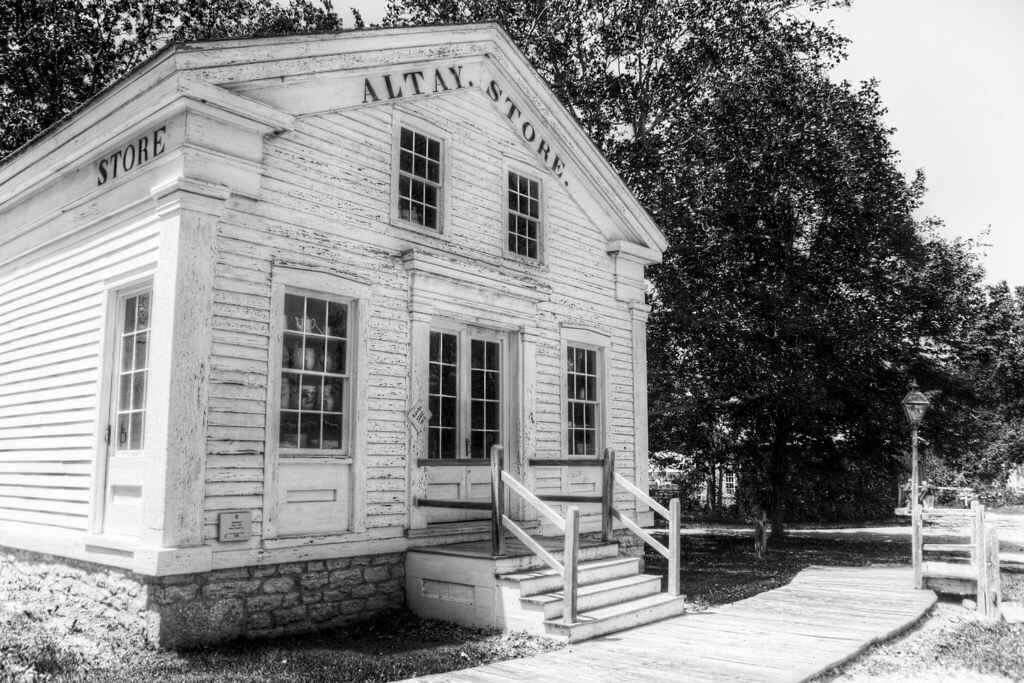
These images are from the Genessee Country Village and Museum, which recreates some of the aspects of nineteenth-century American life. I thought that a bit of black and white photography (with an HDR touch) could be the perfect tool to convey the moment-out-of-time aspect. Here, a balloon is ready for launch.
The old buildings have a smallness to them that I appreciated: the distance between stories was not so large, and they feel on more of a human scale.