Strange weather persisted, but living in the North Country, I always knew the truth: Winter is coming!
This photograph, from Thanksgiving 2014, looks far more like winter than anything I see out my window today.


HDR Photography
Strange weather persisted, but living in the North Country, I always knew the truth: Winter is coming!
This photograph, from Thanksgiving 2014, looks far more like winter than anything I see out my window today.
Fall in the North Country makes dramatic skies and shadows. What I’ll call “drivewayhenge” aligned the sun precisely with this driveway, allowing for much of the scene to be in shadow while the garage at the end is a glowing beacon. In typical North Country fashion, that garage is a Millenium Falcon of useful modifications.
This street scene from my trip to Seattle jumped out at me because of the shift in tone: As the cars drive around the corner, they drive from the last dark, street-lit parts of the dawn into the full light of day. The passage of time is mapped onto the transition of light.
I spent the early part of this week at St. Lawrence University’s Camp Canaras (like Saranac Lake spelled backwards) for a retreat. Cold and rain tamped down expectations of canoeing; instead, I had an early morning hike in the sound-dampened world of fog.
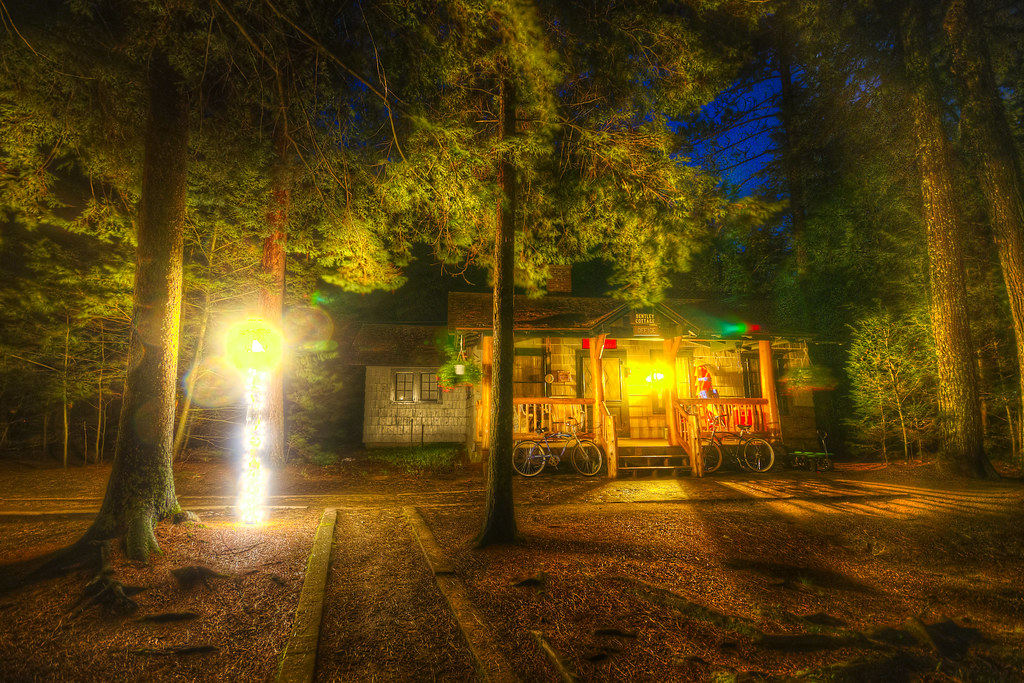
At night, the camp took on the otherworldly quiet of the Adirondacks after dark.
It’s the first day of class for St. Lawrence today, so I’m getting ready and looking towards the future and so forth, but it’s also a great time to look back on the past. It’s been more than a year since I visited South Africa, and when it’s -15ºF on the walk to work, thinking about the Zulu Nyala game reserve can bring back some pleasant memories. It’s the details that stick with me: the fences made from whole sticks of wood, rather than boards, and that particular red color of the soil.

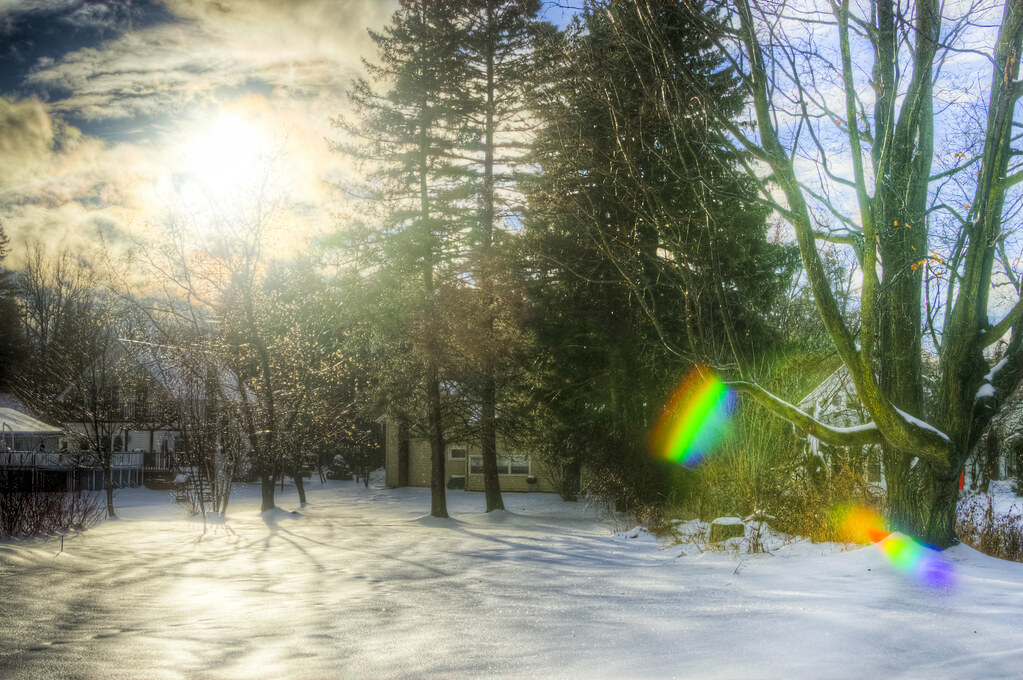
The wind blew warm at 45ºF, the rain stopped, the sky cleared, and then a new front blew in bringing -15ºF temperatures and, eventually, a load of snow. Standing in the oddly warm breeze, sun suddenly in my eyes, felt momentous. When I looked at this image, with its huge, Yggdrasil-esque tree and Bifröst-esque rainbow and flair of atoptics, I couldn’t help but think that I had my own backyard version of Ragnarök.
(This post was extra-fun to write because of all the excellent, Nordic umlauts.)
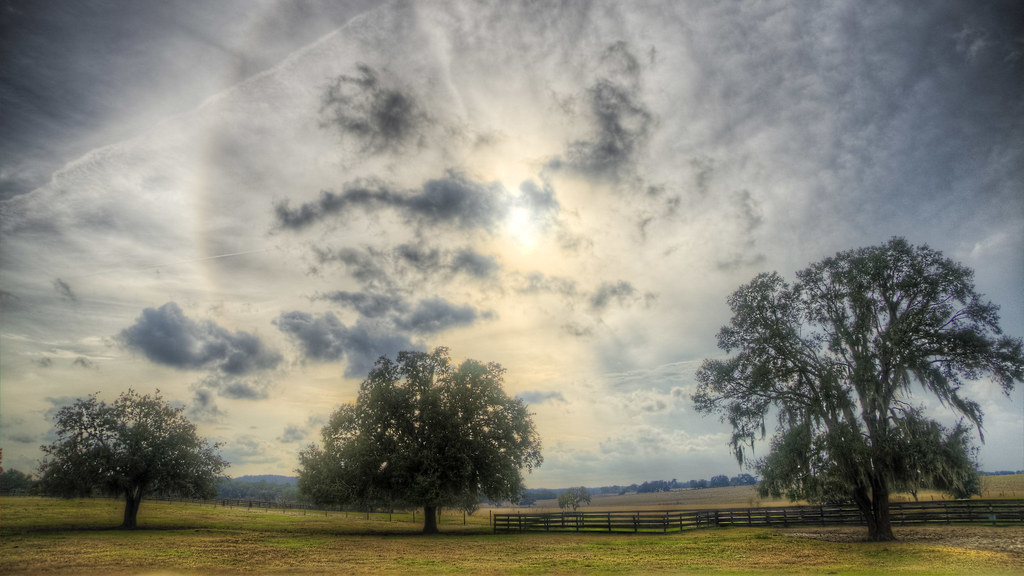
Today is New Year’s Eve: out with the old, in with the new, etc. Time doesn’t seem to pass in Florida, however—it’s a place that’s always at the dawn of history, the muggy primordial swamp, with the monolith and the howling primates just outside the frame.

When I travel from the wintery expanse of the North Country to Florida, nothing feels real. Am I in some humid almost-heaven of trees and life and ponies? The massive sun halo doesn’t hurt the effect—that’s for sure.
Late fall doesn’t mean rich, verdant scenes or flame-colored leaves. In the North Country, late fall really means early winter. The fields are brown, the trees are bare, and the scene is dusted with snow. Other than the greens of the pines, the world hibernates. The birds scattering to the air are the only signs of life, but the scene has a sort of cliché, stark beauty.

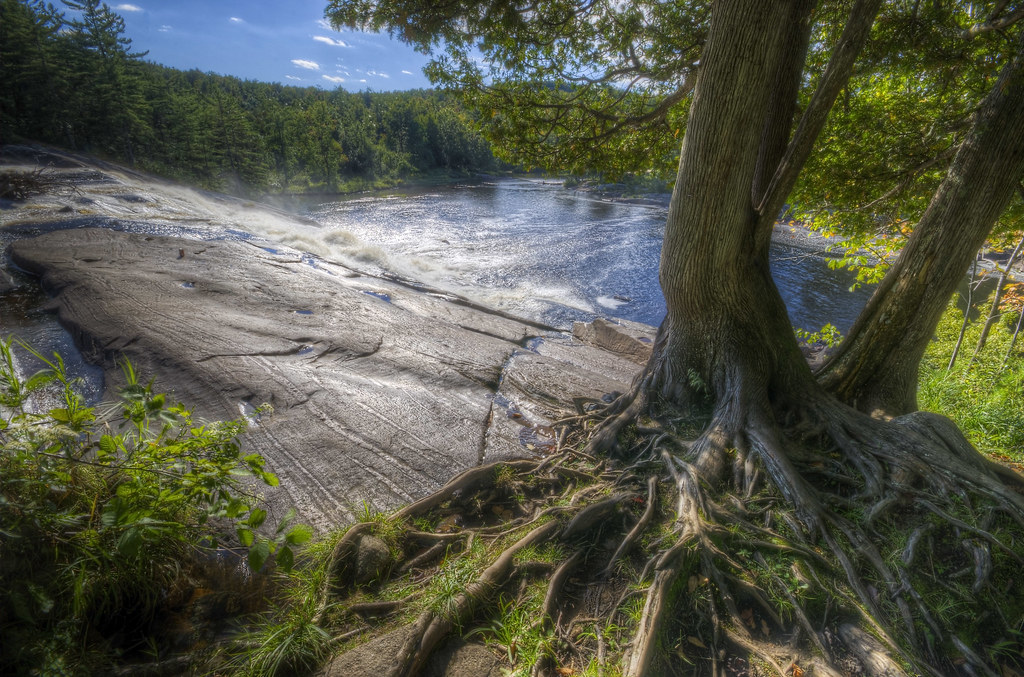
The arrangement of tiny plants and epic trees and enormous boulders that makes up a Japanese garden is calm and beautiful, but to see the inspirations for those geometries “in the wild,” so to speak, is so much more impressive. Big falls and gnarly roots and little streams make the “real” world just as poetic.
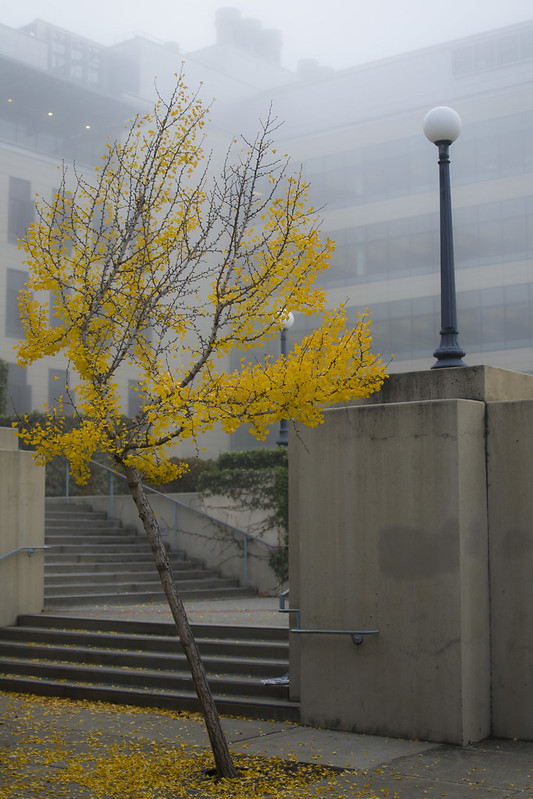
Berkeley is a pretty surreal place; as I process that, I thought my 400th post on Decaseconds might be a great time to really show it. The yellows of the birch tree are so sharp on a foggy fall morning, amid the hard, stained concrete of the past and the high-tech Li Ka Shing Building (one of my first-ever posts) materials. Visual contrast, both literal and metaphorical, align with the conceptual contrast of a place that prides itself on being countercultural while also being the birthplace of many of the technologies and ideas that make our modern culture possible.
I may continue to bemoan the theme-park-like atmosphere of Muir Woods by midday on Saturday, but in the very early morning, with dawnlight scattering through the marine layer, it’s easy to forget about all that. There are no words to describe the place without resorting to cliché. Even so, the echoes of “Six Flags: Muir Woods” still exist, like these wood pathways designed to lessen the destruction that would be caused by enormous numbers of visitors on dirt paths.

On a chill and cloudy afternoon, the sky hangs low over Berkeley and Oakland. Highly textured red tile roofs, ionic columns, industrial air handlers, all separated from the “mundane world” by a wall of trees: are these the “layers” of the Berkeley experience?

Weaver finches are everywhere in South Africa, building their nests in any tall plant. Safety in numbers, however, pushes them to push their cellulosic hosts to their limits. Trees are completely filled with nests, the avian equivalent of an apartment complex.