Bokeh City

That skyline is recognizable, even shrouded behind 200 mm f/2.8 bokeh. Though many people in the Berkeley Hills watched this scene, and though I wasn’t the only one with a camera, the unique light-twisting effect of bokeh means that I’m the only one who captured this pattern and this moment. My favorite details are the individual pieces of grass, bright and sharp against the softness of the Emeryville background.

Bokeh City

Industrial “Alpine Lodge”

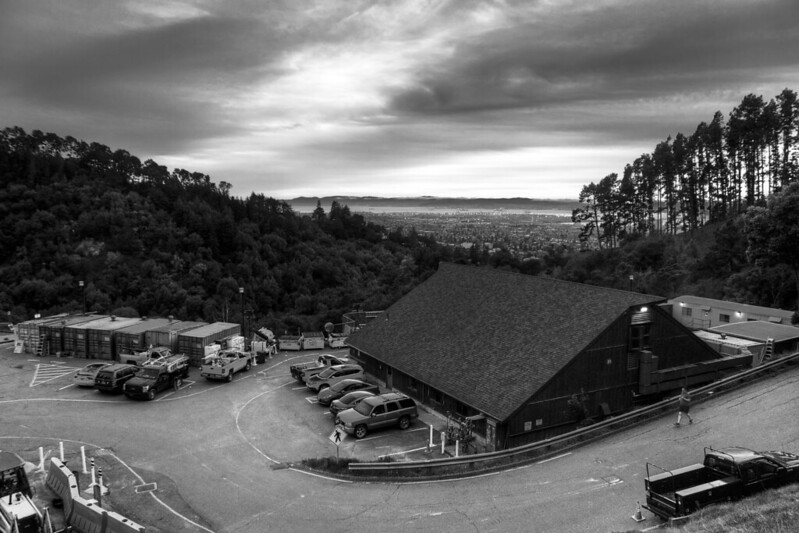
This physical plant building at Berkeley Lab has the broad A-frame structure and charming attic windows of an alpine lodge. It also has an evergreen-encrusted window to Berkeley and the Port of Oakland. In spite of the appearance and the surroundings, this is a highly utilitarian setting. Quite the juxtaposition.

Industrial "Alpine Lodge"

Rather Be Sailing

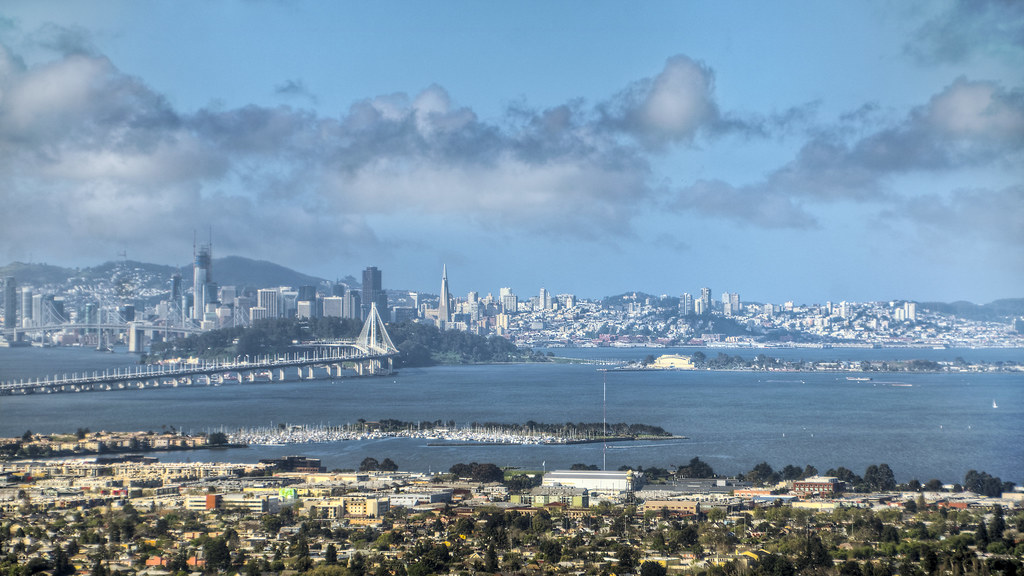
Morning sun provides very stark, even lighting across the San Francisco Bay. I know rationally that gravity forces the big body of water to be (basically) flat, but the curves of the shore and the shadows of the clouds have always made the Bay itself seem to have hills and valleys. I can also confirm that the water feels pretty far from level when actually sailing it.

Rather Be Sailing

Dinner Time in Strawberry Canyon

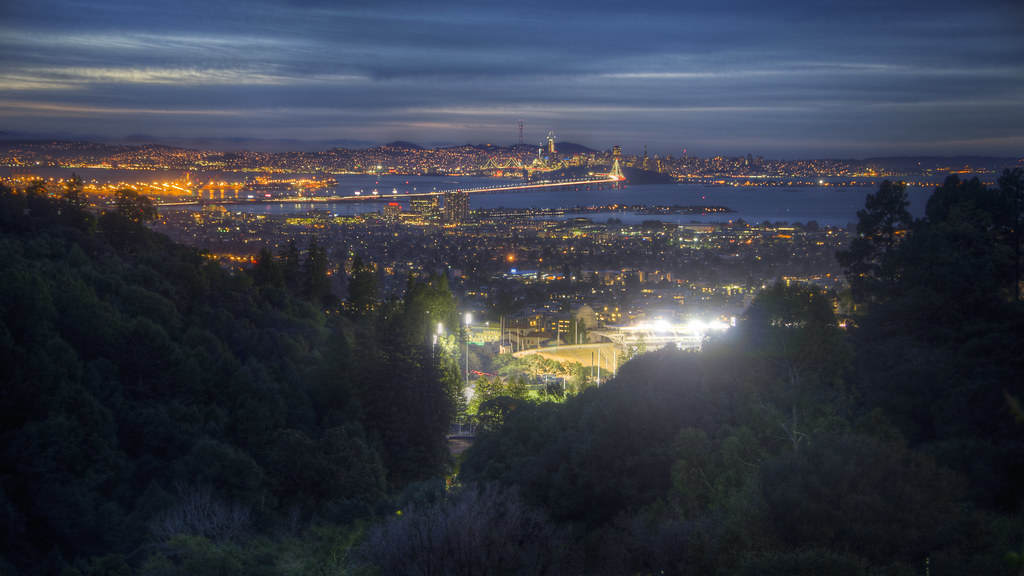
The work day is ending and the eight-to-six employees are returning home. They meet in bars or at rec leagues or around the table or in front of the TV, but the hour is still too early to head out for a night’s adventure. In between work and nightlife is dinner time. We’re not tired enough to go to bed yet; the night is young and full of paths over which to integrate (to borrow Feynman’s view).

Dinner Time in Strawberry Canyon

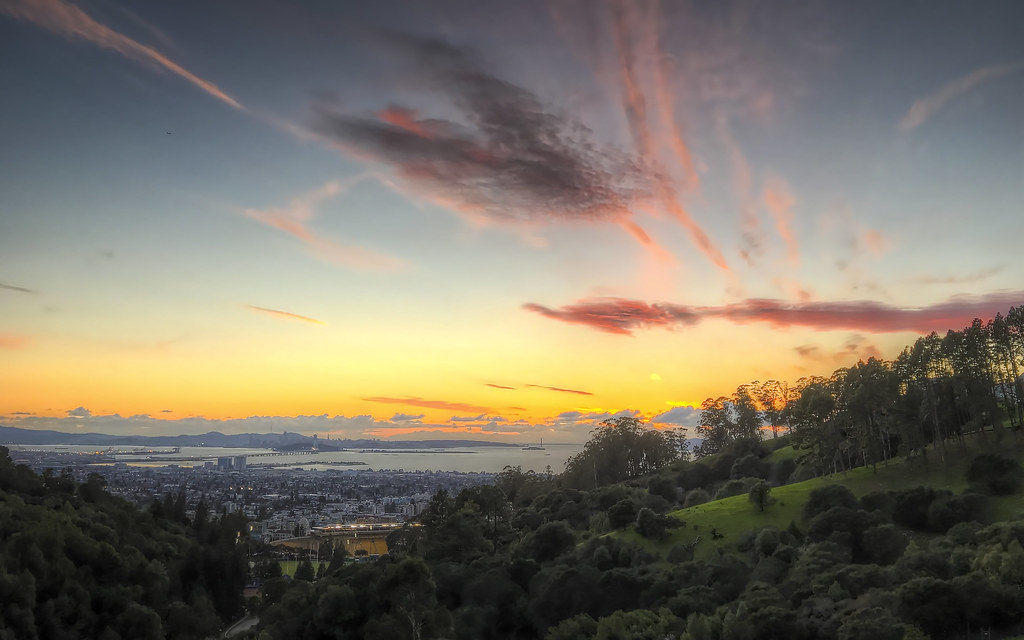
East Bay Skyflare

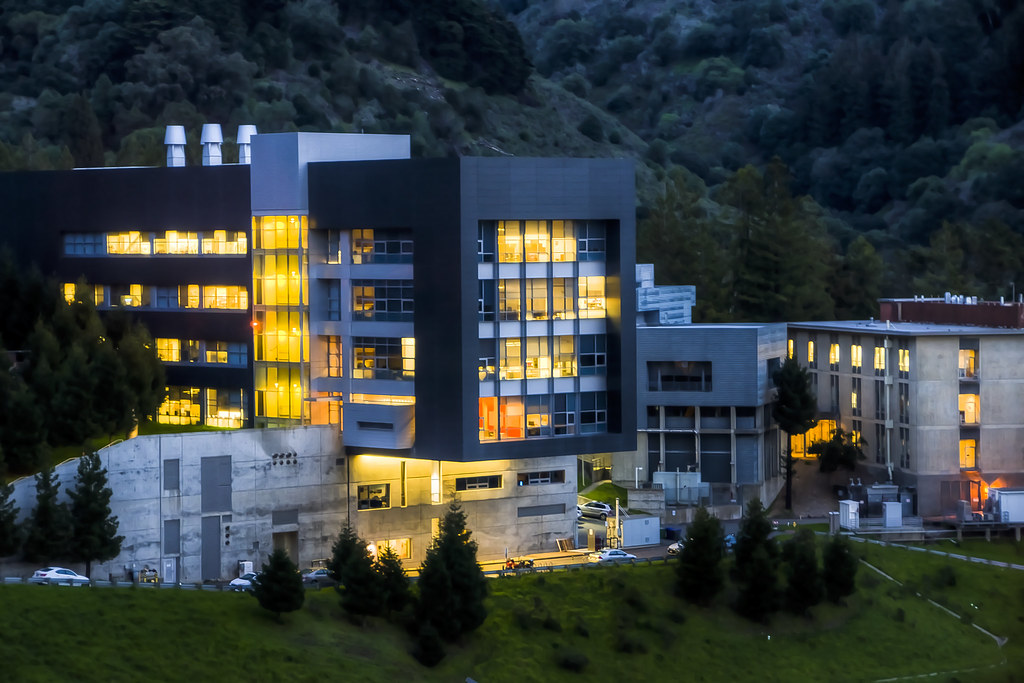
Up in the hills, Berkeley Lab possesses some different environmental features from the East Bay below. As sunsets like this finish the day, frogs begin to croak in the hills and the whole lab transitions from a bustling science facility to a nighttime wildlife preserve. Late-night buses are cautious for deer, turkeys, and even the occasional mountain lion.

East Bay Skyflare

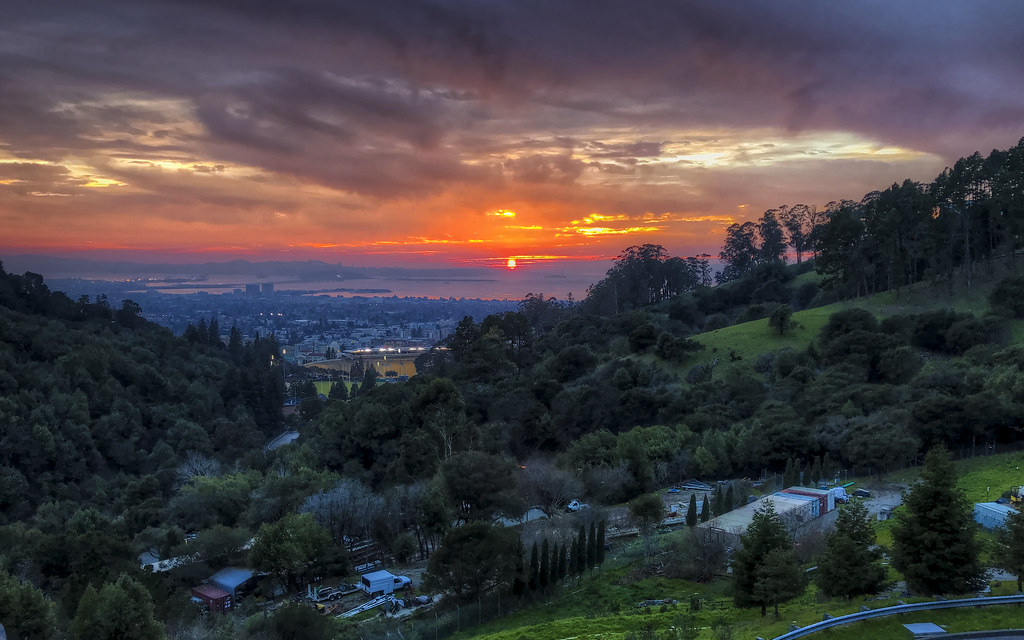
Sunset. Stat

The key to getting the most incredible image of a view is to take “luck”/chance out of the equation. I’ve been watching this same view (from the balcony of my research facility at Lawrence Berkeley National Laboratory) almost every night for just the right kind of sunset to appear. After a hazy, cloudy day, I hadn’t expected last night’s sunset to have much character—until I was texted by a friend at the lab: “Sunset. Stat”

The reds were worth it.

Equally astonishing to me is that this image wasn’t taken with my DSLR, bur rather was assembled from multiple exposures taken with my iPhone 7 Plus. Though I doubt a compromised phone camera can ever replace my handy/chunky main camera, it makes an incredible back-up option.

Sunset. Stat

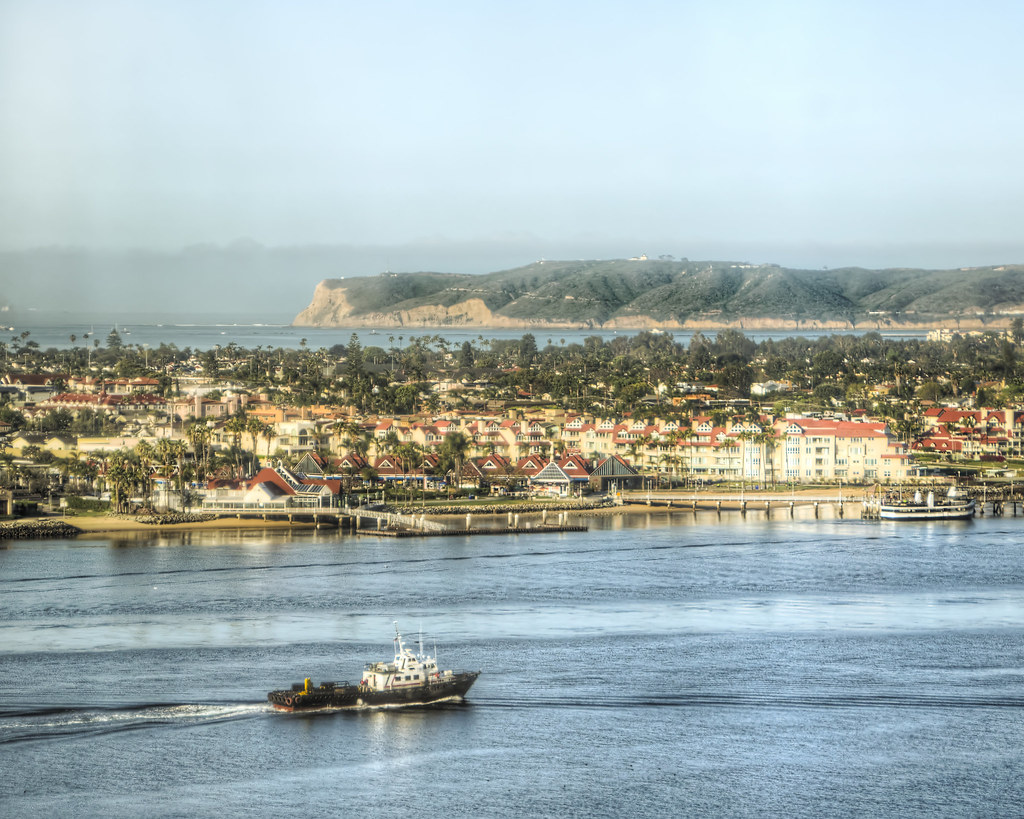
Coronado to Cabrillo

A study in the contradictions of California and the importance of federal lands: In the foreground is Coronado, home of resorts and Navy SEALs. This is the developed, modern California. The cliffs in the background are Cabrillo National Monument, where the first Europeans reached the West Coast in 1542. I imagine that the peninsula would be equally carpeted with homes if not for the presence of the monument. I appreciate the contrast.

Coronado to Cabrillo//embedr.flickr.com/assets/client-code.js

Four Images of Fermilab Prairie

For 28 years, the Fermi National Accelerator Laboratory in Batavia, Illinois was the site of the now-dormant Tevatron particle accelerator. For three summers during high school and college, I worked in the archives there, helping to catalogue, maintain, and restore the physical history of the place. (Given the time frame of today’s pictures—the early 2000’s—you’ll forgive the poor image quality.) I wanted to share a few images of the place (in particular, its enormous swaths of restored prairie) and try to convey to you the everyday feel of the place.

Perhaps the most salient feature of the lab is the prairie itself. Other than a berm over the accelerator, a few tangential buildings, and the main complex, the vast majority of the 6,800-acre site is natural midwestern landscape, dotted with disused farms and watched over by birds of prey.

Fermilab Prairie I

The reason for the old farms and strange buildings is linked to the provenance of Fermilab: in the early 1960s, towns competed to be the site of the latest and greatest national lab. The town of Weston, Illinois won the honor, and in doing so, ceased to exist. The residents were bought out (by the choice of their village board) and the remnants of the village still exist on site as ancillary buildings (including the archives, where I worked.)
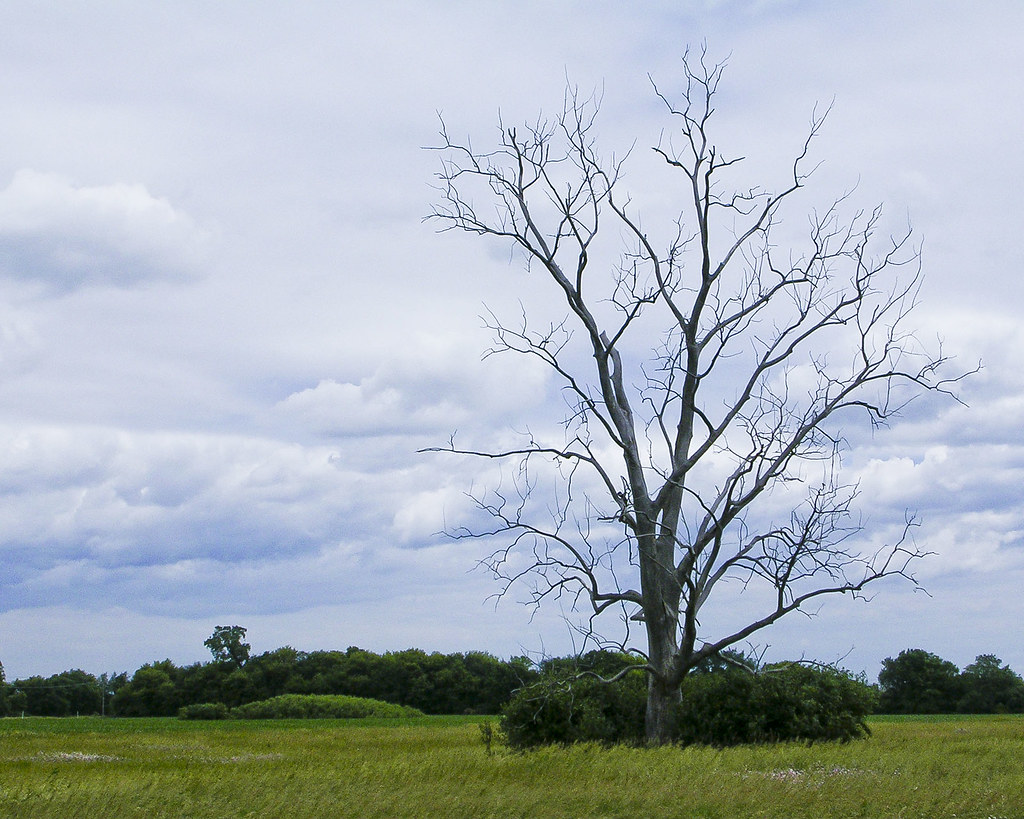
Fermilab Prairie II

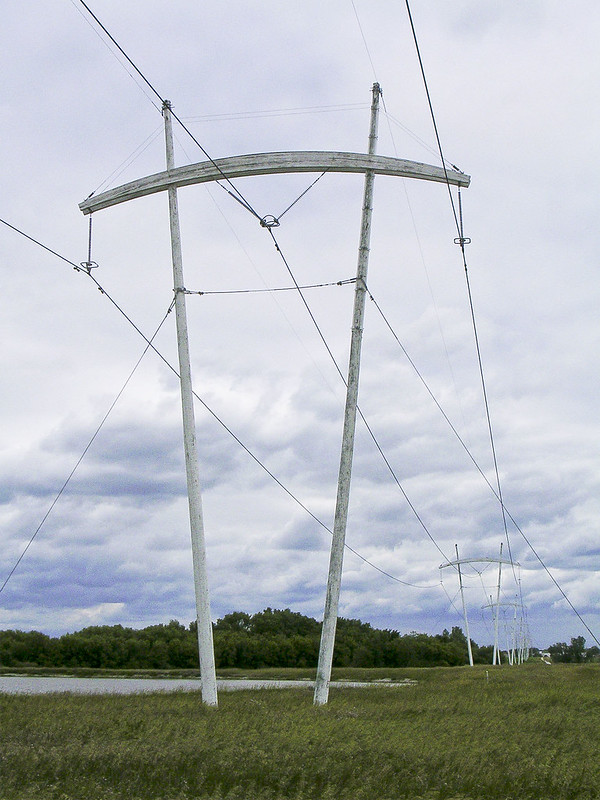
The farmland was largely restored to prairie, and the unique buildings of the lab were assembled. Among the fascinating sights at the lab are these Shinto-influenced power lines, designed by the lab’s first director, R.R. Wilson. (He was also responsible for the lab being finished on-time and under-budget.)
Fermilab Prairie III

Wilson Hall, seen in the distance of this landscape, was named in his honor. Here you can see some of the lab facilities proper, including a beamline on the left of the image.

Fermilab Prairie IV