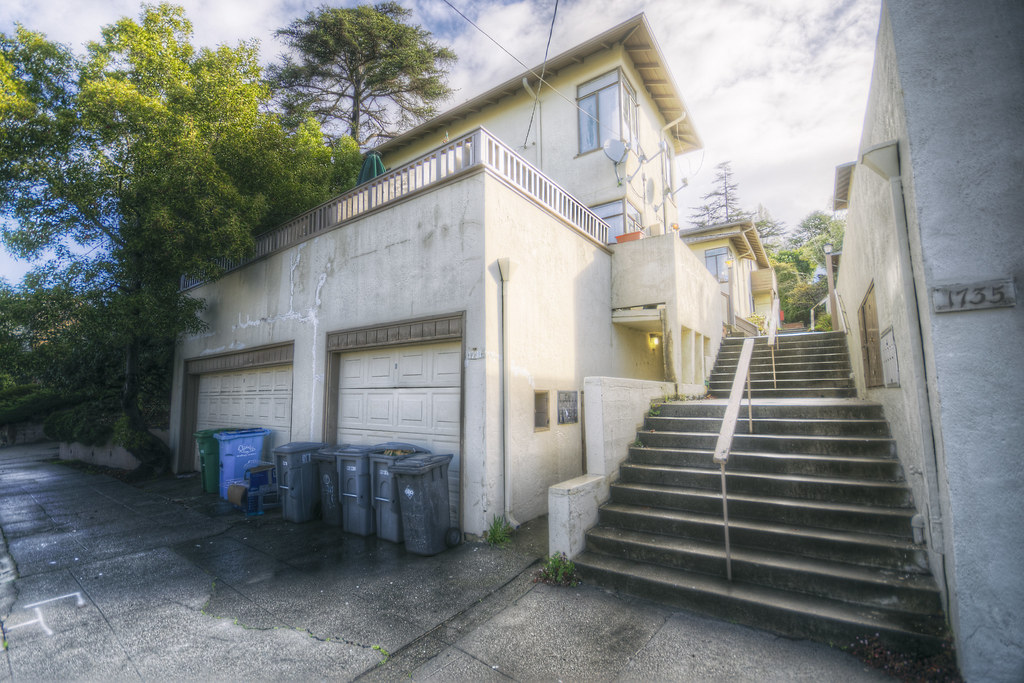
Every corner of Berkeley brings some new quirk. I passed this little stair/alleyway dozens of times during Sunday morning coffee runs. The tall pines and receding buildings struck me as quintessentially West Coast.

HDR Photography
Every corner of Berkeley brings some new quirk. I passed this little stair/alleyway dozens of times during Sunday morning coffee runs. The tall pines and receding buildings struck me as quintessentially West Coast.
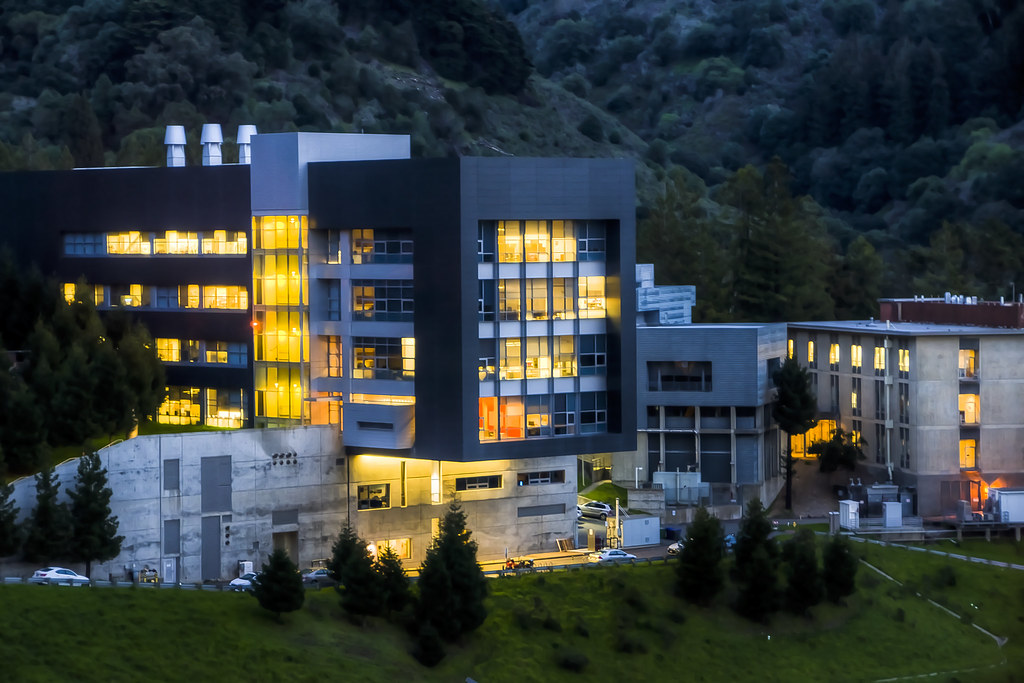
The Molecular Foundry’s enormous overhang looks alien up close, but the scale of the structure is really apparent with the lighting beneath the gravity-challenging bulk.
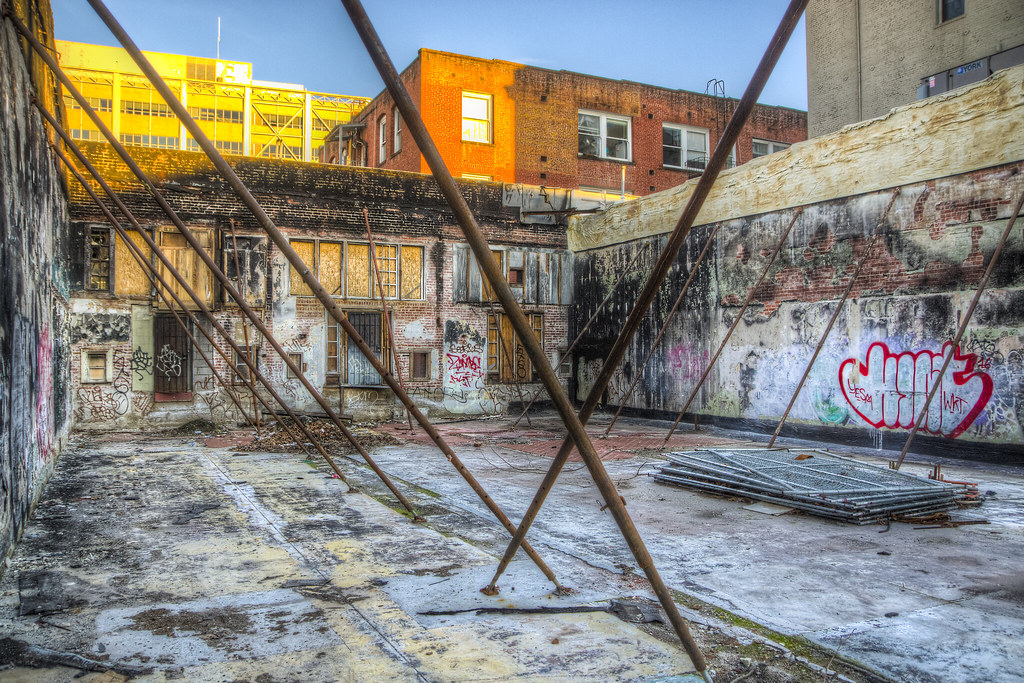
Since I left Berkeley, a major building in the downtown burned to the ground and the wreckage was removed. I don’t remember what once stood here. That correspondence—a building missing from reality and from my memory—seems fitting.
Mohonk Mountain House has grown like lichen across its mountaintop, but its oldest core shapes much of the structure’s identity. Tea time happens at 4:00 PM each day, and guests sit in the array of front porch rocking chairs with their tea during the warmer months.
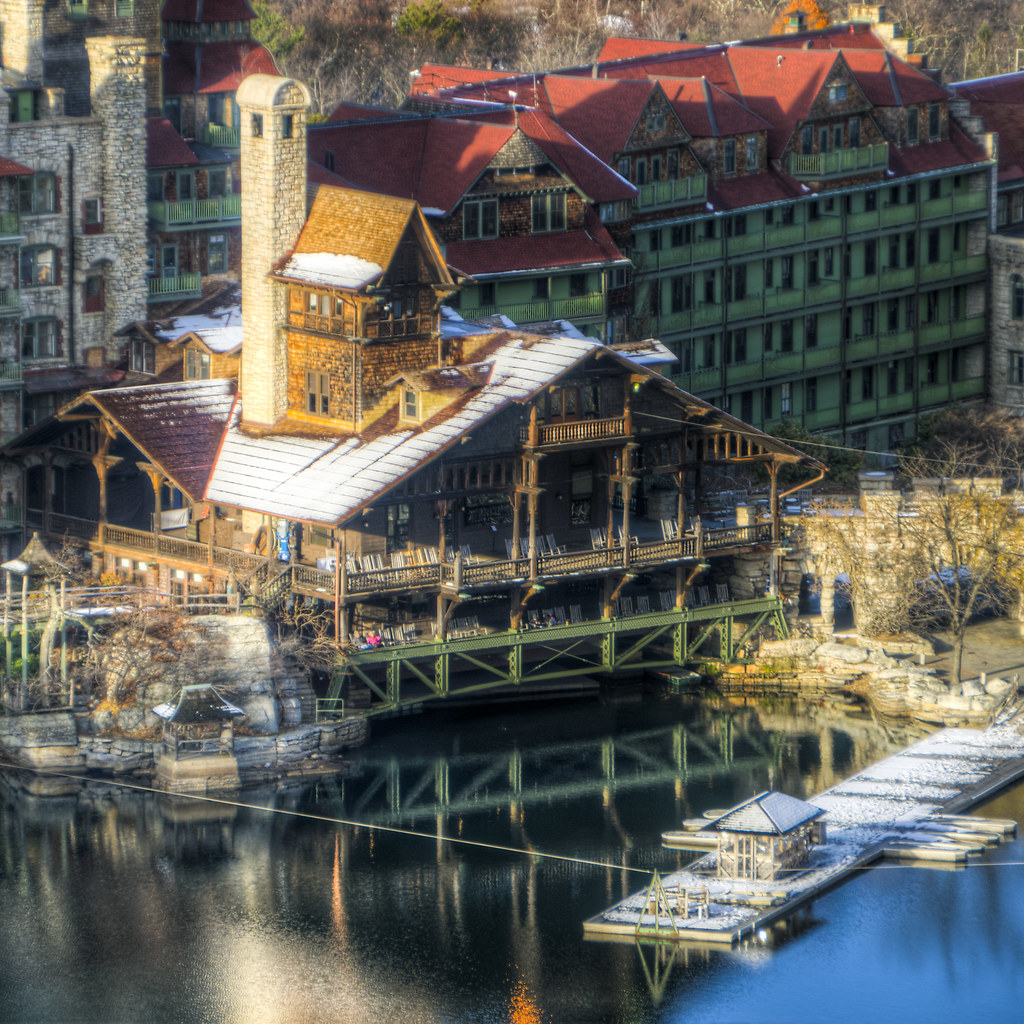
Just around the corner, gazebos crusted with snow dot the cliffs.

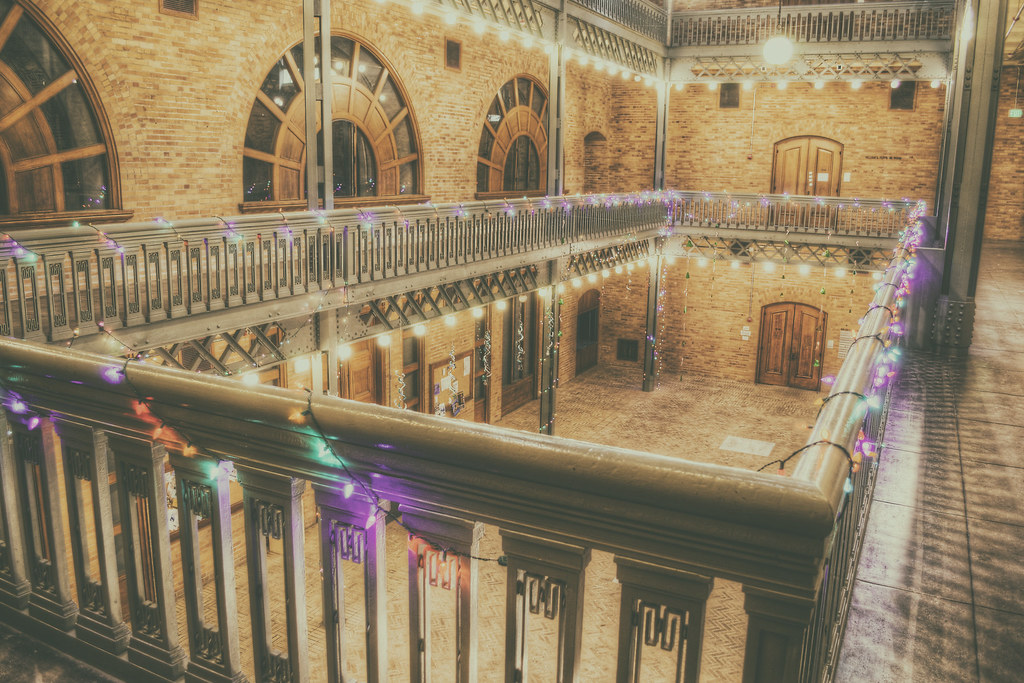
Following Thanksgiving, all structures seems to sprout these luminescent, multicolored silica-and-copper growths. I’m sure the world’s building biologists are hard at work on a cure for “Christmas lights”, but in the mean time, they sure are pretty.
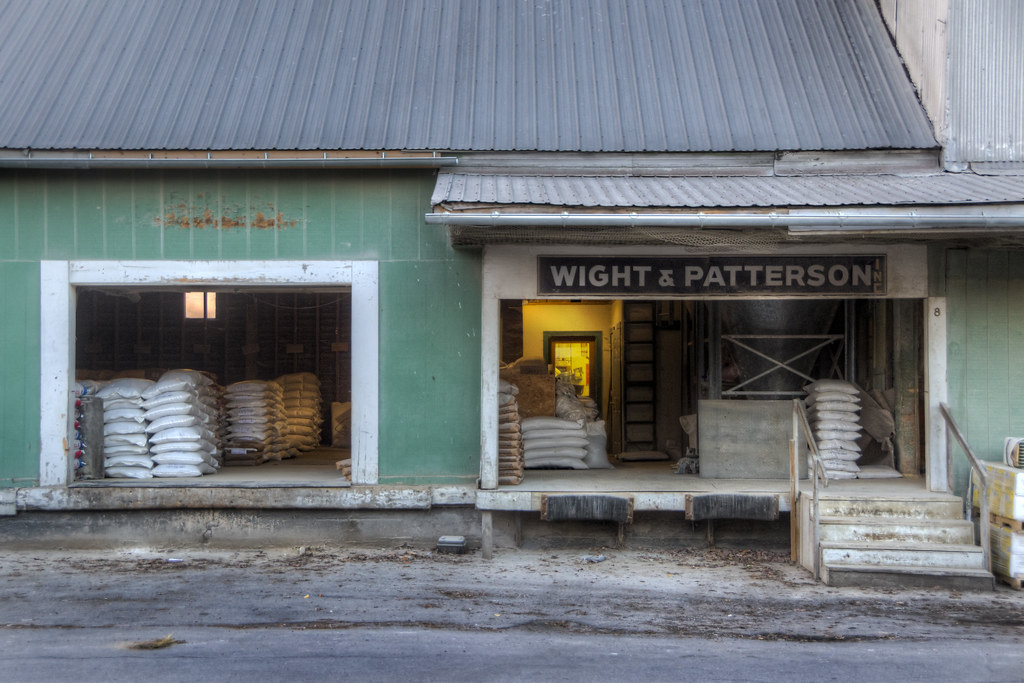
Even on Election Day, businesses are open and running and life continues in the North Country. At the grain elevator, farmers arrive and depart not just by truck, but also (in the case of our Amish neighbors) by horse-drawn buggy. At the end of the day, businesses quiet down but haven’t quite closed yet and everything becomes still.
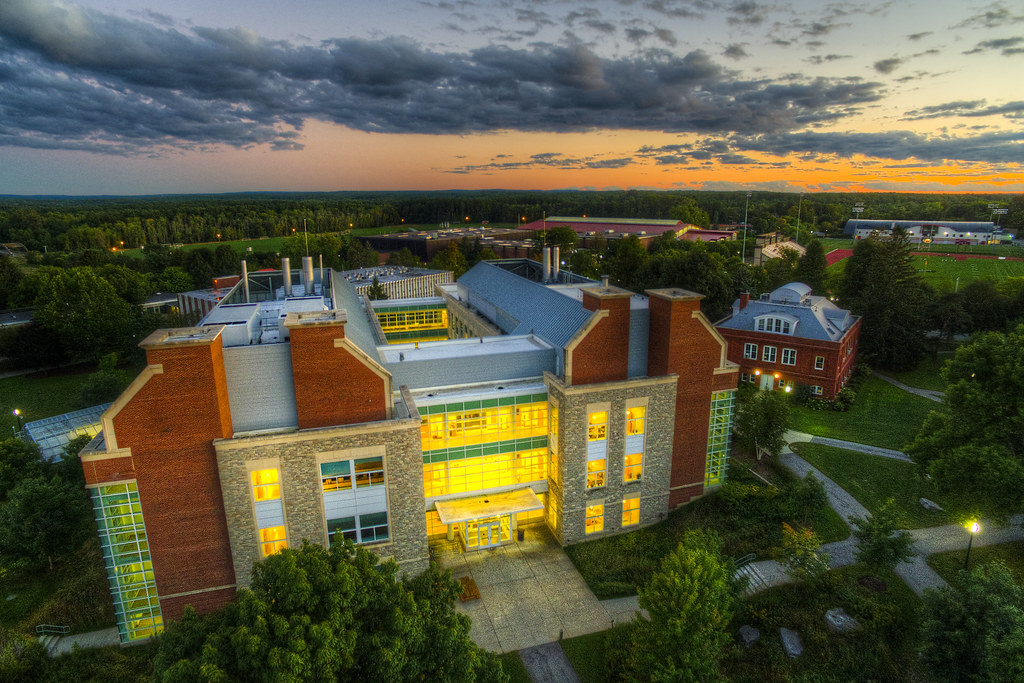
Johnson Hall at sunset in the North Country. No other comment needed.
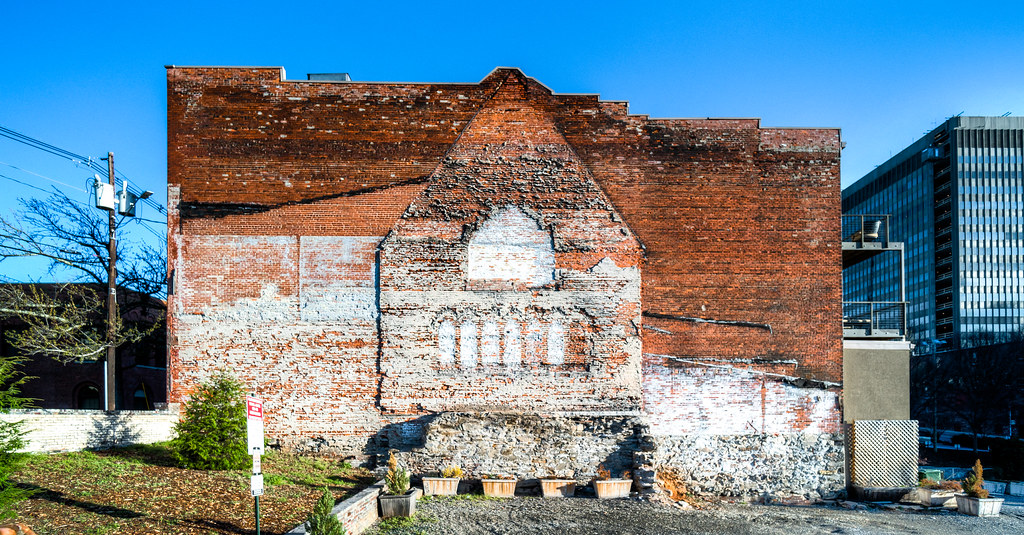
Old buildings of the northeastern U.S. have been repurposed and adapted so many times that they all have odd quirks and echoes of that modification. Look at the patterns in the brick on the back of this building: the skeletons of old walls and structures where they were removed, and windows covered over where there are walls on the other side. What did the back of the American Theatre once do?
The North Country has rough, glacier-hewn landscapes and a culture of independence. How this area is understood and depicted is often a matter of choice on the part of the photographer. Case in point: the path of the Grasse River, on its way to the the St. Lawrence Seaway. Look at all that beautiful early-spring nature!
But cropping can deceive: if I pan the camera to the right, you see a much different image. The Grasse River travels through downtown Canton, past parking lots and apartment complexes. I think I might prefer the more honest juxtaposition.
Semesters mostly end in a slow burn to the end of final exams. There’s a different end date for almost every student; only seniors share a collective terminus at graduation (and they’re too conflicted about the whole thing to really enjoy it, I’ve noticed.) Last year, I used Decaseconds to document the feeling of the campus contracting, like a balloon in liquid nitrogen, at the end of the semester. This year, the sky and the sun seemed ready to provide a dramatic end to this semester’s classes.
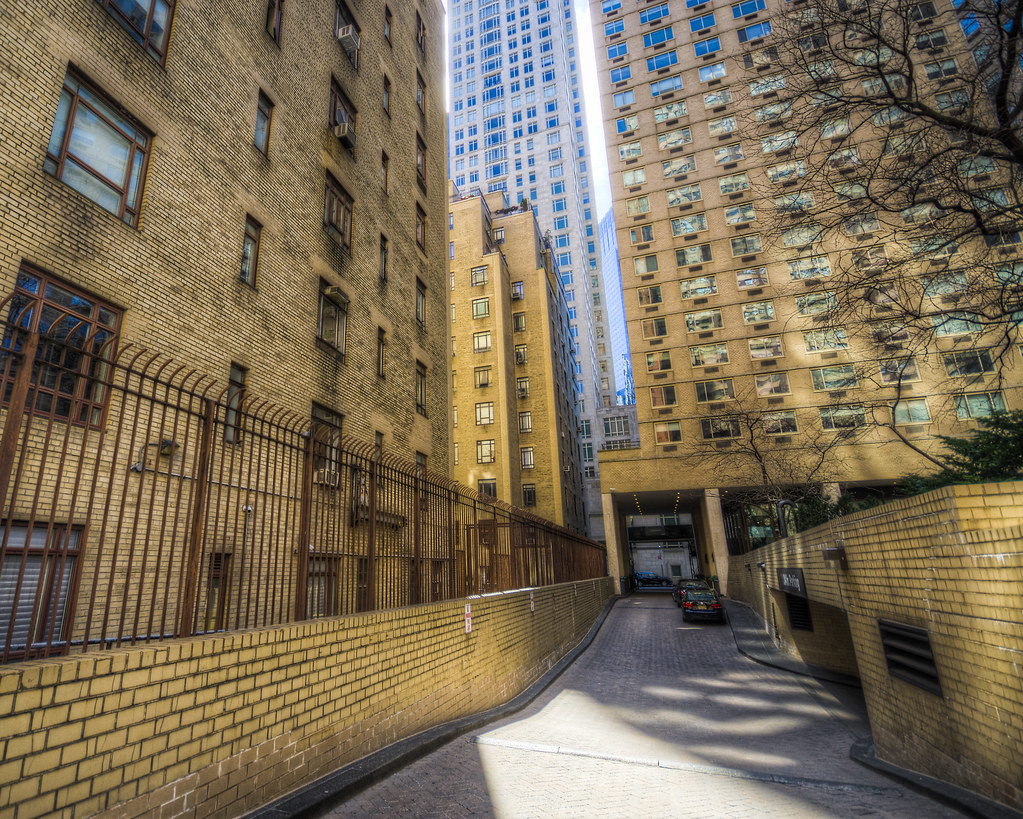
Nearly every surface in this image is brick. From the alleyway to the retaining walls to the towers: brick, brick, brick (or pavers). I understand sheathing a structural steel building in glass or densglass or (heaven forbid) “exterior insulation finishing system,” a.k.a. Dryvit, but the kind of person-hours necessary to assemble all of that orderly brick is mind-boggling.
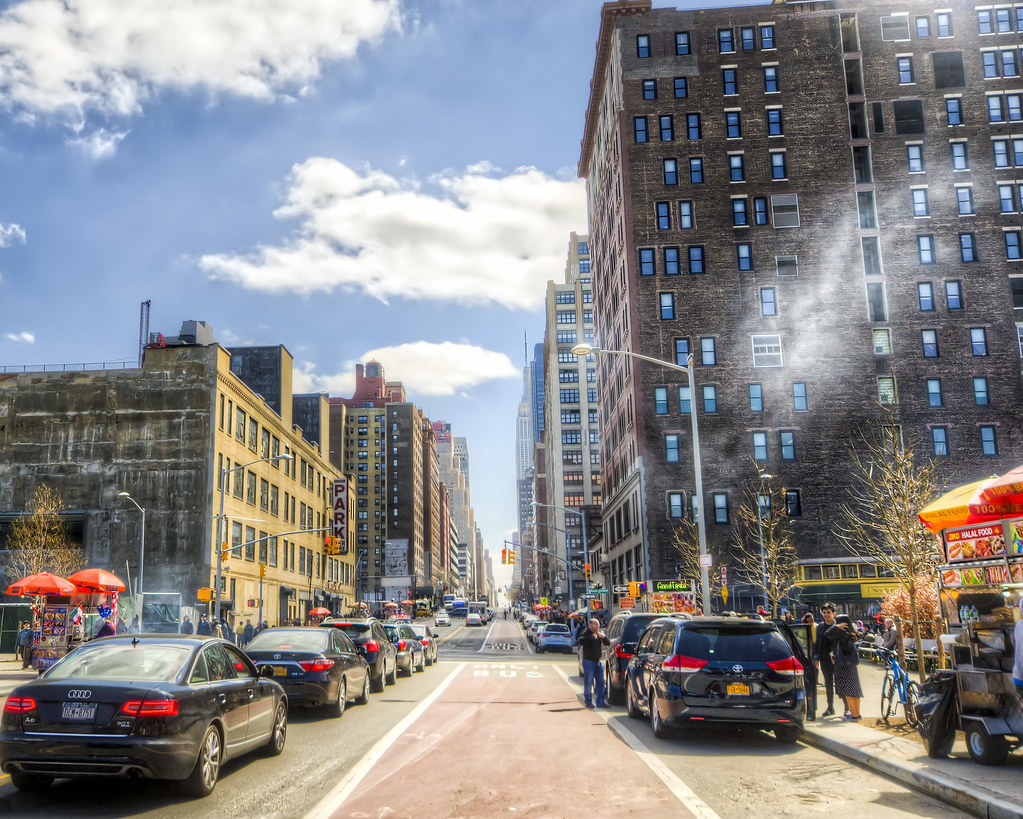
Can a building hide? Or surprise? Or sneak?
The Empire State Building, hiding at the other end of 34th St. in Manhattan, seems to support the possibility. The canonical modern New York street scene, one of luxury cars stuck in traffic and smoke from cooking street meat and old industrial buildings being converted into high-end condos, can still surprise. One step away is another scene built of different buildings and people in view.
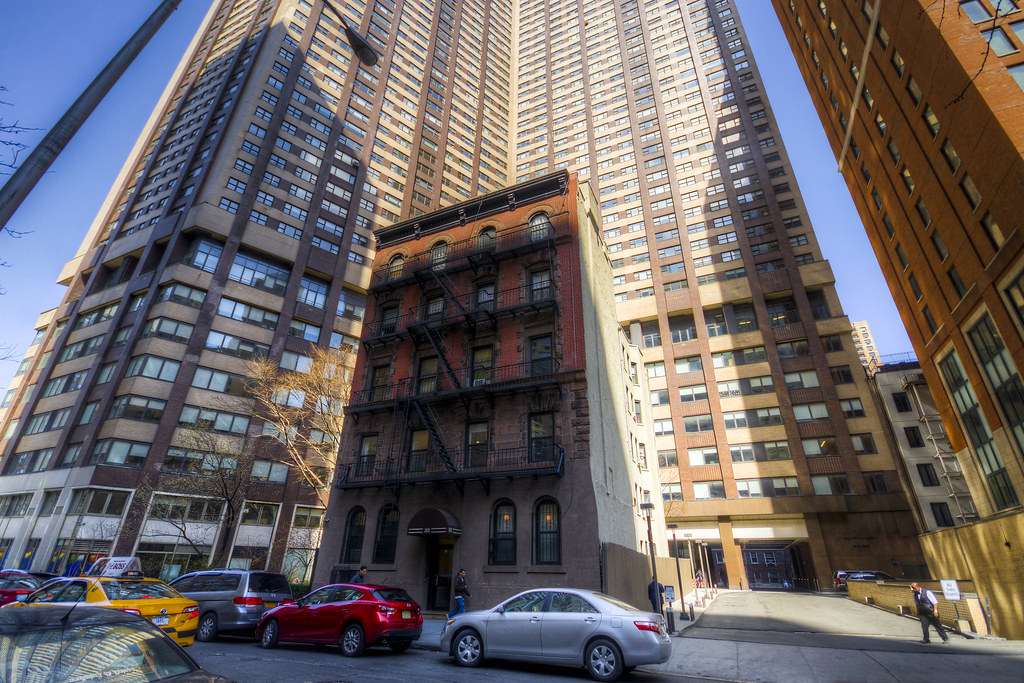
This four-story apartment building was so clearly designed to be flanked by siblings of similar stature. It’s now the contrary holdout on a lot dominated by a monster tower block that threatens to engulf it.
There’s no better place to see the abrupt transition from the semi-“undeveloped” to the densely urban than the edge of Central Park. Trees give way directly to the new generation of “needle buildings,” these spiky skyscrapers that have attracted: (1) big money from Russian kleptocrats and (2) complaints from fans of New York’s traditional architecture. I might be sold on the futuristic spires for their sci-fi appeal.

 Decaseconds