More adventures with Photoshop’s new “Super Resolution” machine learning algorithm, which quadruples the resolution of a processed image: a view of Berkeley and San Francisco from Grizzly Peak.


HDR Photography
More adventures with Photoshop’s new “Super Resolution” machine learning algorithm, which quadruples the resolution of a processed image: a view of Berkeley and San Francisco from Grizzly Peak.
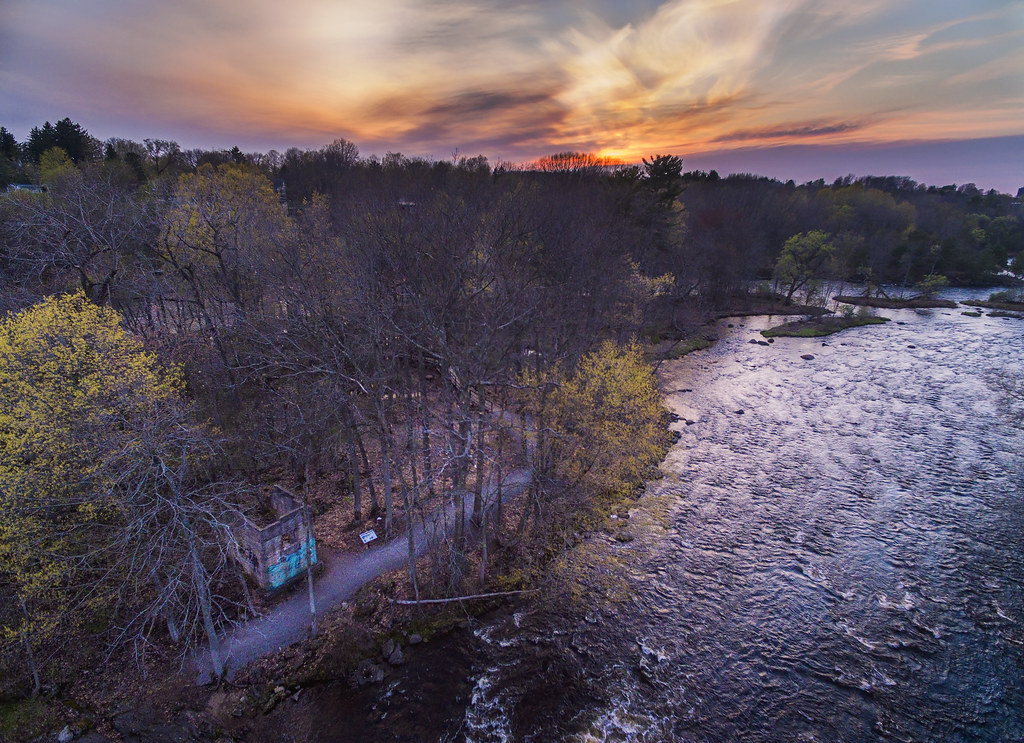
This uninhabited island sits at the center of Canton, New York. While it’s currently a park, the ruins on the island indicate its past as the site of water-powered mills that processed the products of the surrounding farmland. I’m still discovering more of its history, but I’m fascinated by the process that could lead an entire section of a town to be abandoned.
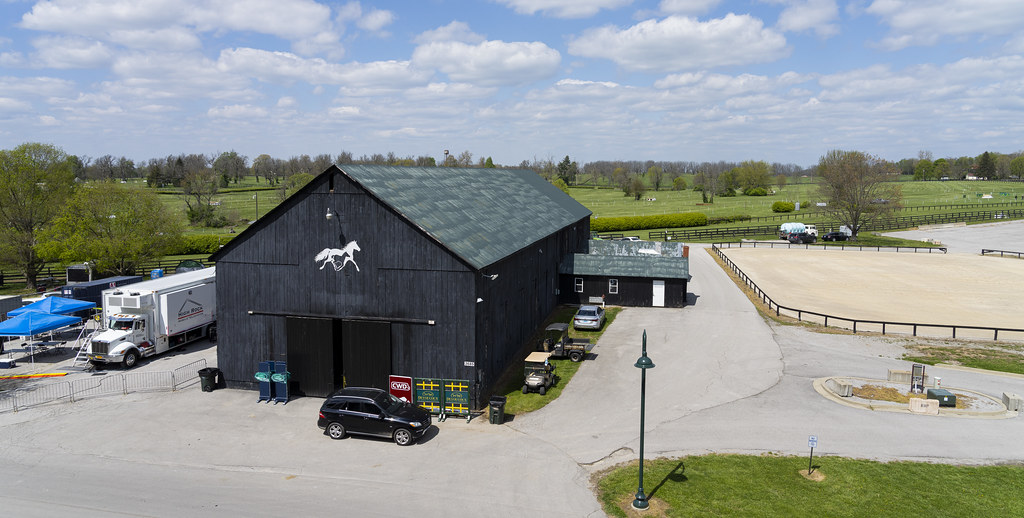
At Land Rover Kentucky Three-Day Eventing, the dressage portion of the competition takes place in this tightly constrained box that, rendered against the footing of Rolex Stadium, looks like some surrealist dreamscape.

Kentucky Horse Park is an almost unreal expanse of stables, rings, and fields. During Three-Day Eventing, those fields are converted to a cross-country course.
This image is my submission to the Spring Photo Contest being run by Grasse River Heritage; the river and its associated park are its subject. I delight in being asked to work under requirements—in this case, both a subject and a time of year—because I feel it focuses me. I get to achieve something specific, which adds some delightful pressure to flying my quadcopter around the island.

I’ve heard that the Land Rover (previously Rolex) Kentucky Three-Day Eventing competition is the sport’s largest and most prestigious. In spite of that, no spectators were allows this year; the glowing press box looked pretty lonely in a darkened, empty indoor.

The “let’s enhance” action continues with this image of Berkeley’s College of Chemistry, Strawberry Canyon, and South Campus from the top of the Campanile. It holds a special place in my heart because it shows the entire terrain I traversed going to and from work during my first year in grad school.
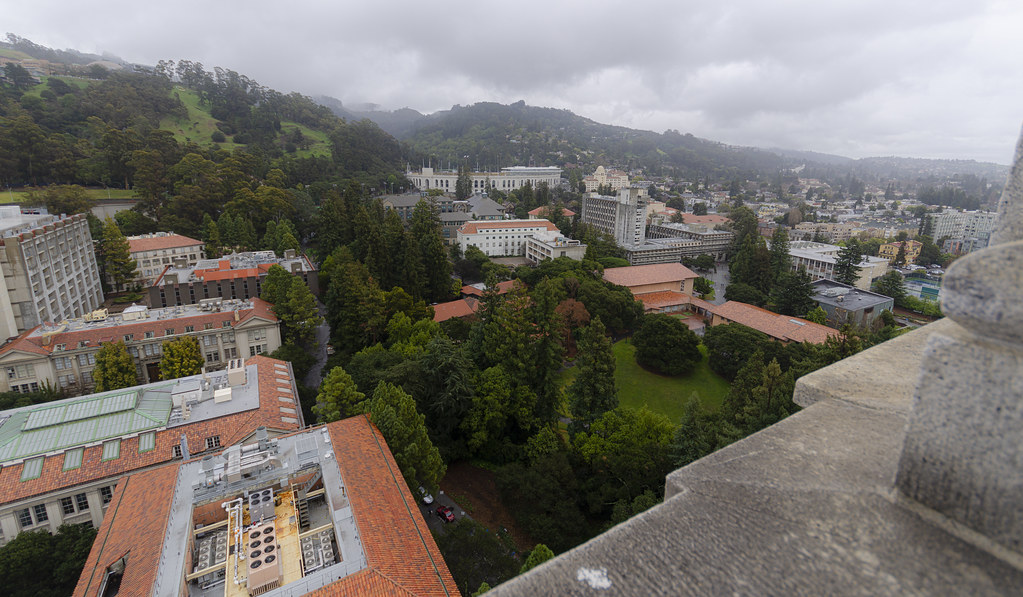
Extracting additional information from an image by “enhancing” it has long been a ridiculous trope of police procedurals; it’s with great amusement that I noticed that Photoshop’s new “Super Resolution” capability (which uses machine learning to quadruple the resolution of an image) is under an option called “Enhance”. The first subject for enhancement was this picture I took of Berkeley and San Francisco in 2011. It’s worth the click-through for the full resolution version.
(Adding to the super-resolution theme, this image also contains, in the lower-center, the Molecular Foundry and its associated center for electron microscopy.)

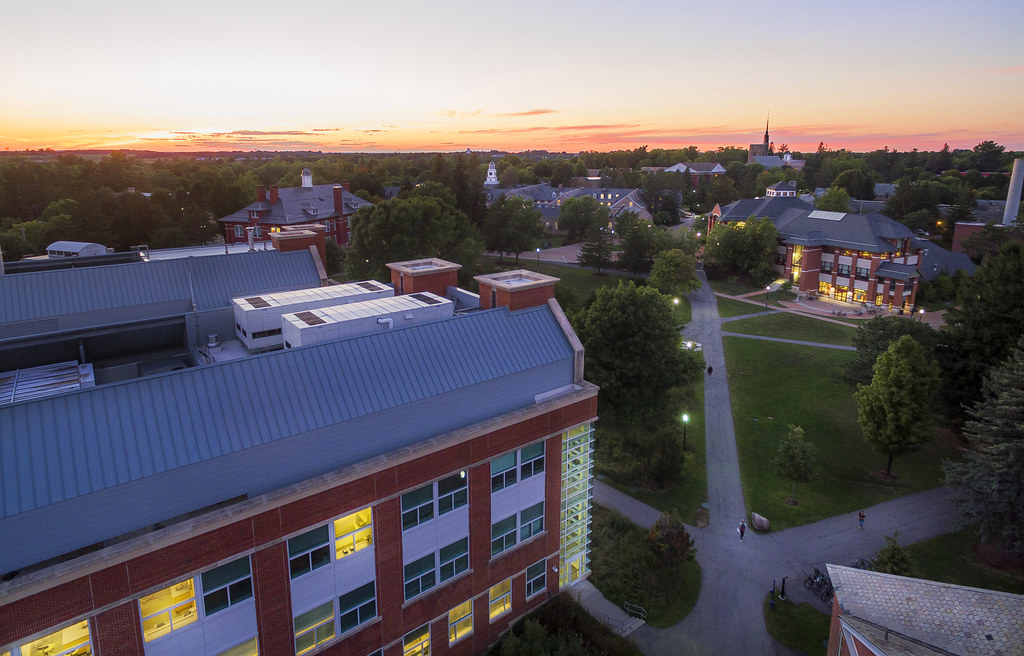
St. Lawrence’s campus emits white light at night, while Park Street uses orange sodium lamps.

A well-stocked and well-arranged chemistry lab tends to accumulate localized collections of one specific part that wind up looking like a page from a scientific supplies catalog.

The most senior faculty member in St. Lawrence University’s Department of Chemistry is preparing to retire and I selected this image to present to him. (Shhh, keep it a secret for a few more days.) He often looks out from Johnson Hall of Science, the building in the foreground, north towards the older parts of campus (like the chapel spire above the horizon.) In this image, I hopefully captured for him both where he stands and what he sees so that he can take them with him when he goes.
Over the course of the past two years, I’ve used OpenSCAD to design a gas/vacuum cell that can support a pressed silica nanoparticle pellet in front of a variety of spectroscopy systems. The core of the cell was 3D printed in aluminum by Shapeways, with some subsequent facing on our lathe to get good seals with the O-rings. This first version is designed to fit into our fluorimeter.
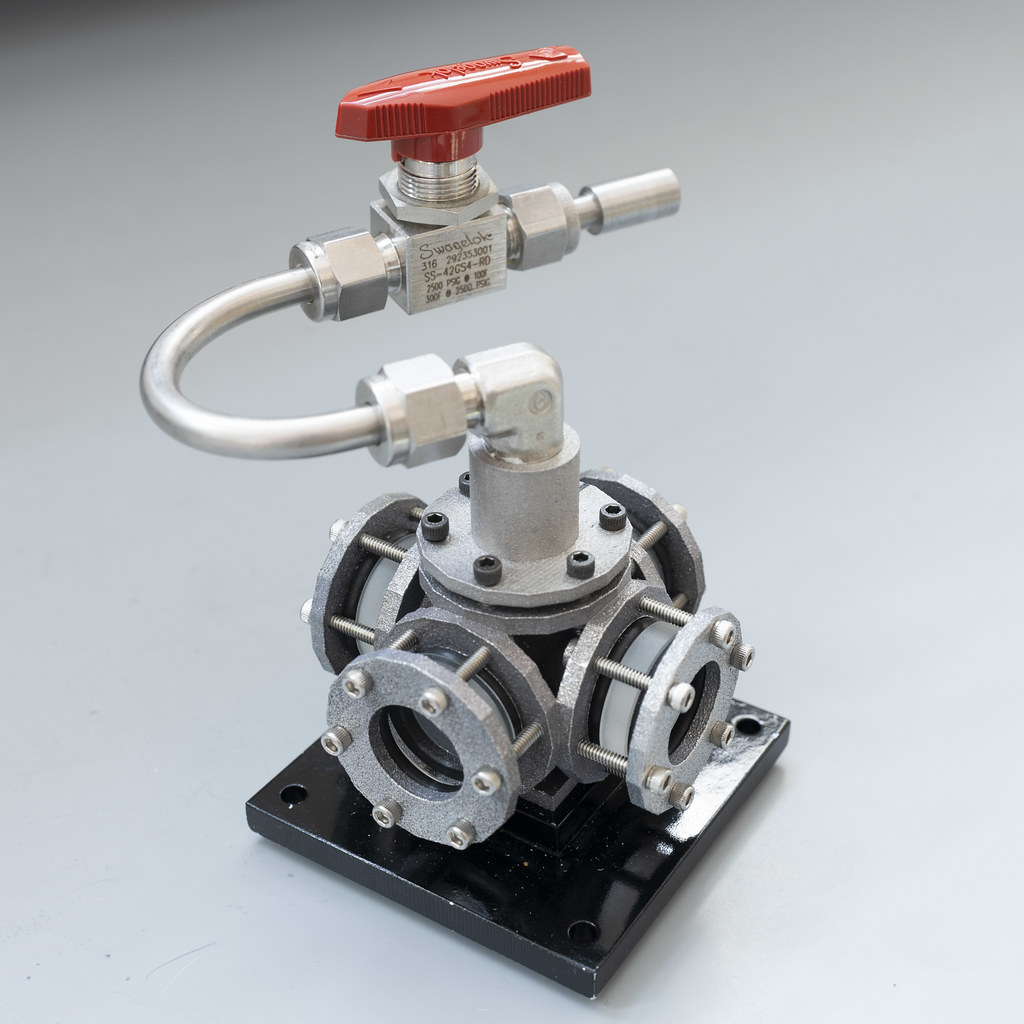
After using the first cell for a year, I realized I also wanted to be able to attach it to a fiber-optic-based spectrometer. Here, you can see the second cell attached to our Schlenk line.

A big, dramatic sky after a fresh snow matches the mood of St. Lawrence’s chapel.

April Fool’s Day played a prank on the reemerging plants of the North Country, dropping ice and snow onto green grass and growing buds.

This is my Schlenk line; there are many like it, but this one is mine. The double-manifold design allows my students and me to expose samples to either vacuum or inert gas (argon, in this case.) Every line has little tweaks and customizations made by the scientist using it, and is thus inevitably a work-in-progress. This particular line very much needs a full-time vacuum gauge as its next addition.

 Decaseconds