When chemists study water, the molecular-level view offers a lot to consider. Bulk water takes on two fluid phases and seventeen (depending on who you ask) solid phases, from a physical scientist’s perspective. That’s my normal mindset. Even when I see liquid water in a photography, however, I’m astonished to see wispy white tendrils and glassy surfaces that are all created by reflection and scattering from the same material.
Author: adohertyh
Earth, Water, Fire, and Air
Classic Stone Valley! A few minutes and meters down the trail from Monday’s image, I caught my favorite part of the hike at a great time of day. Previous trips to this this spot turned into rehearsals for navigating slippery rocks. This has turned out to be one of my favorite pieces of nature photography, but there’s more to come next Monday.
Up, Up, and Away!
Grand Prix jumps are in the range of 2 meters. Horses jump over them. I can’t quite reconcile those two sentences in my brain, even while I’m watching it happen. The action is literally superhuman. I thought it was extra-appropriate that this horse had a saddle pad recognizing the fact.
Stone Valley Before Sunset
Except perhaps in winter, I’ve always hiked when the sun was high in the sky and settled in before sunset. I have always wanted, however, to capture some dramatic nature scenes with a crazy sky, so this weekend I went sunset hunting. This shot, appropriately, is from early in the night. Later in the week, I’ll be showing more of the shots as I hiked on and the sun disappeared.
Home Arch
Having lived in dorms with entrances under archways myself, I’ve always found them friendly and inviting places. Perhaps that effect stems from the Batcave effect of having a “secret” entrance in a cave-like stone structure. Good place to store the batmobile.
Exploring Stone Valley
If the weather is just right and recent rain has the Raquette River running high through Stone Valley, a summer hike is just the thing. A geologist would have the technical explanation of the valley’s odd geometry. The hydroelectric dam secretly controls the scene (or the water release, anyway).
The scale of the setting doesn’t really become apparent until you try to spot the tiny people (chemists and physicists, in this case) on the rocks. Bob Ross would be proud.
Brick Skeleton
Old buildings of the northeastern U.S. have been repurposed and adapted so many times that they all have odd quirks and echoes of that modification. Look at the patterns in the brick on the back of this building: the skeletons of old walls and structures where they were removed, and windows covered over where there are walls on the other side. What did the back of the American Theatre once do?
Rough Coast
Complicated Cabins
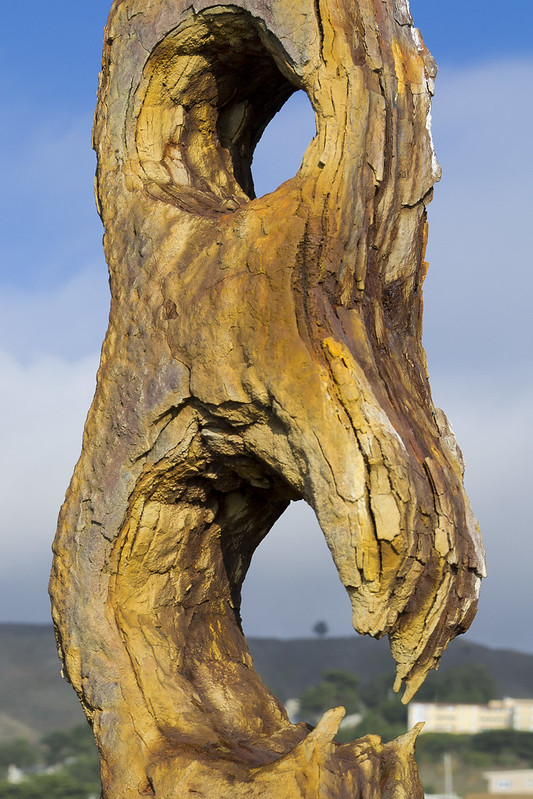
Anchor Oxidation
Lake Louise Cabin
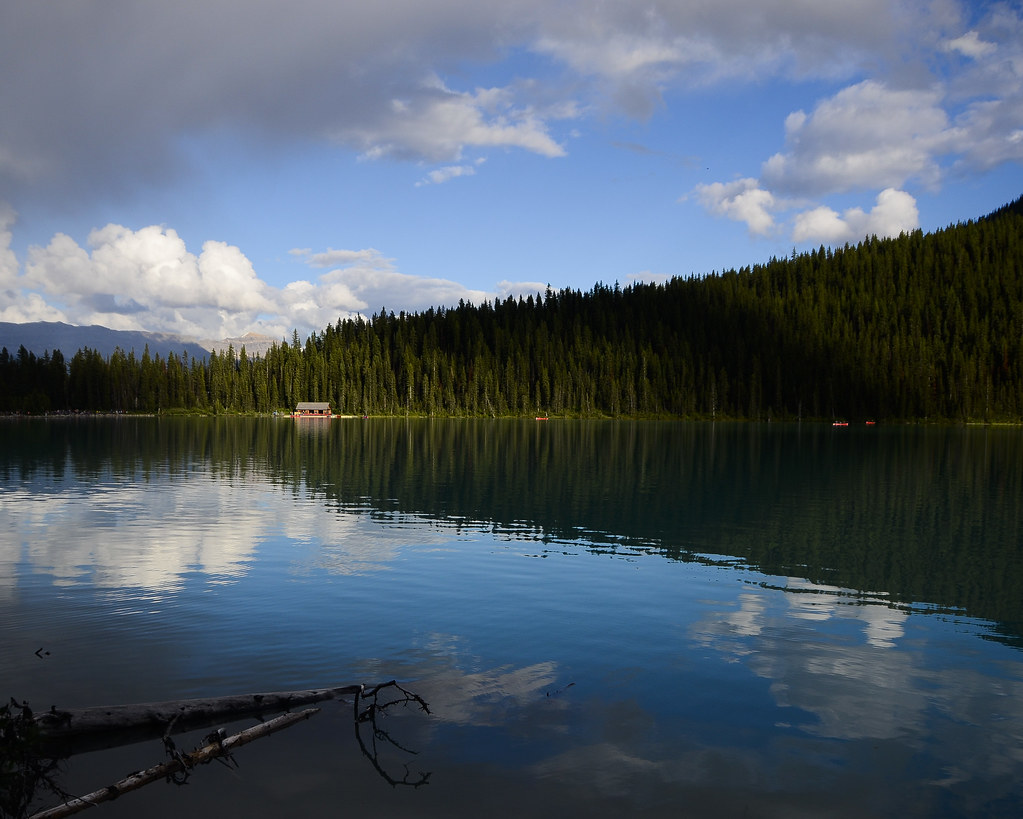
Today’s guest post comes from Dr. Piper Klemm, publisher of The Plaid Horse. Piper is traveling the northern land of Alberta, Canada for the Calgary Stampede. She stopped by Lake Louise, near the border with British Columbia, and home to some incredible views (more to come). This particular moment, with sunlight peaking through the clouds to illuminate a lakeside cabin and the canoes on the right of the image, was too perfect to resist posting.
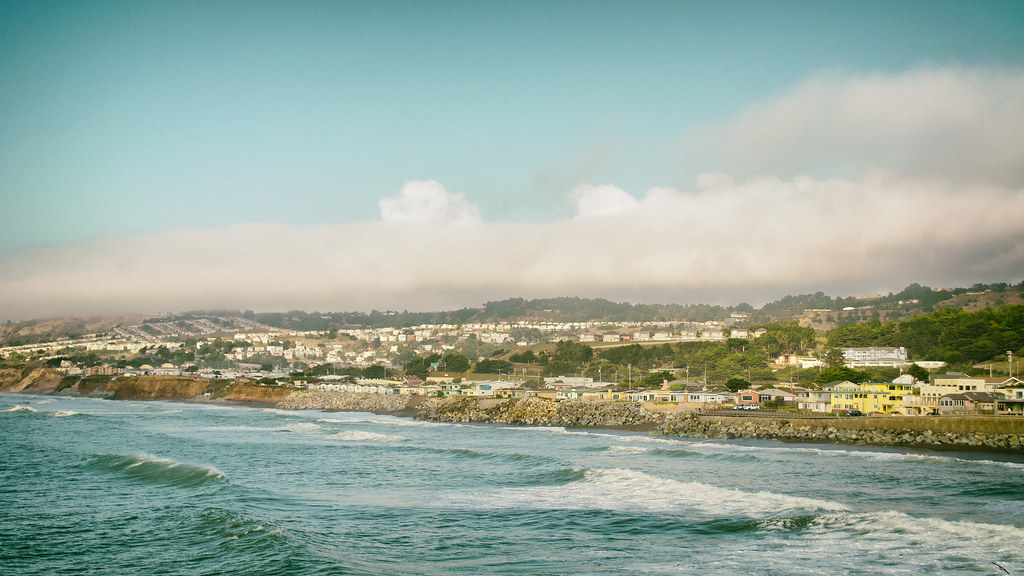
Another California Coastline
Fraternity
After what was (I imagine) quite a battle in previous decades, St. Lawrence has only a couple of fraternities remaining. The Beta house is visible in the background, rather mundane and unassuming in comparison with its pearly temple building. Bracketed by trees, the building does a pretty good job of proclaiming its importance in the classical tradition.
Keep Books Dry
I know the fundamental constants governing physical interactions remain the same (within experimental error). Precipitation isn’t changing the Planck Constant. In spite of that, reality seems subtly tweaked and upgraded on a drizzle-coated evening and shot through a wide-aperture prime lens. I’m sure glad the books in the Brewer Bookstore aren’t being “upgraded” by the rain.
Double Exposures
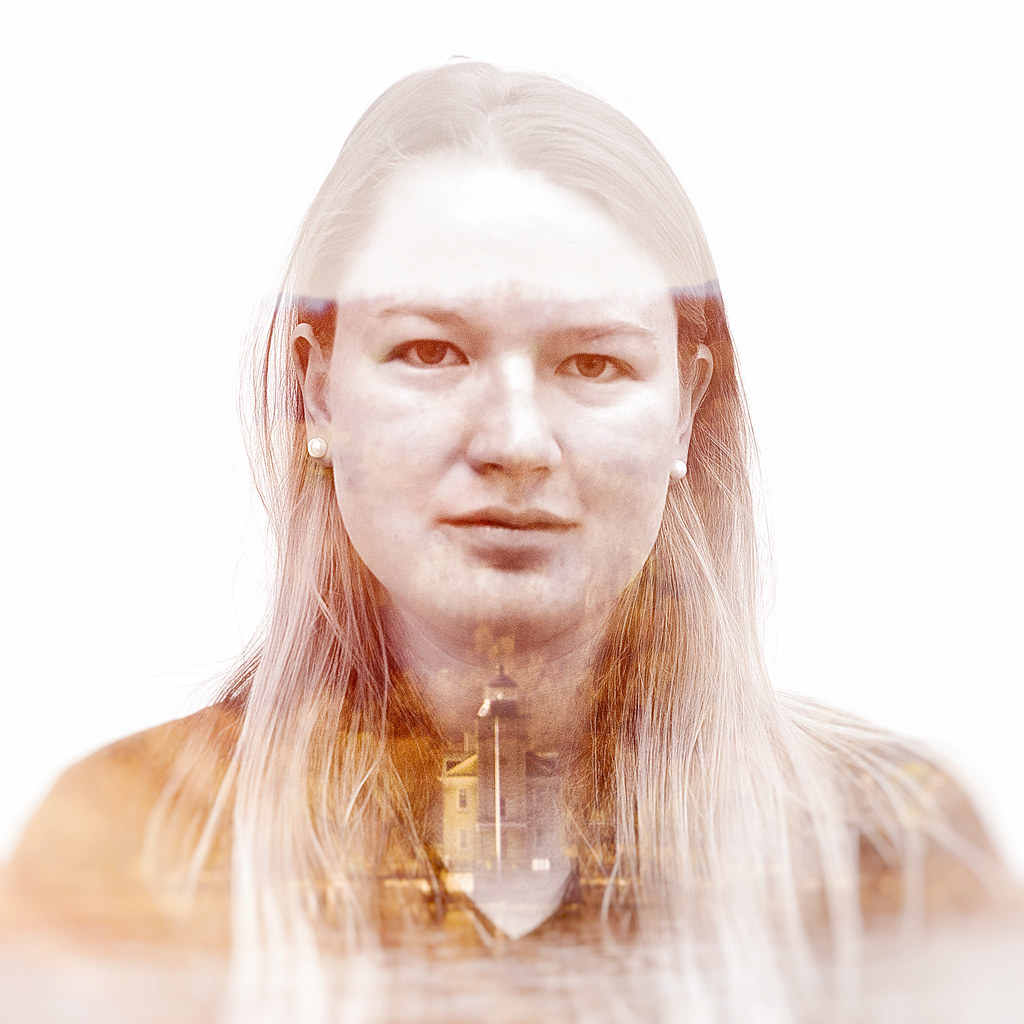
As with my photograph of the Seattle Public Library, I’m exposing my inner hipster with these images. Double exposures had an element of serendipity and excitement when they originated from film cameras. I guess I’d call these more studies or experiments in how to bring together the landscape images I’ve enjoyed creating with the portraits I find myself taking for practical purposes: LinkedIn, passports, school webpages, etc.
With these imagines, in particular, I’ve played with the idea of “stacking” the face and the main subject of the other image (be it lighthouse or galaxy NGC1275 overlay data from the Hubble Telescope).