Along the Cliffs

Students hike the cliffside where geological formations collide. On July 4th, let me compose an overly-ornate sentence about the season and the nation.

“Summer hiking in the North Country of America, at the edge of the Adirondacks: stripes of chlorophyll and aluminosilicate and tanninful water.”

Along the Cliffs

Bridge and Beyond

Adirondack-meets-elven style in this bridge over the Grasse River. The lights seem inviting; that’s probably appropriate, given that this is the bridge connecting SUNY Canton’s campus with the town proper. (I’ve explored the connection from another angle in the past.)

Bridge and Beyond I

Though the architectural style isn’t as apparent from this shot, I love the sense of multiple pathways vanishing to infinity: down the river or across the bridge. So many places to go and things to explore. (And some proper long exposure to merit this website’s name.)

Bridge and Beyond II

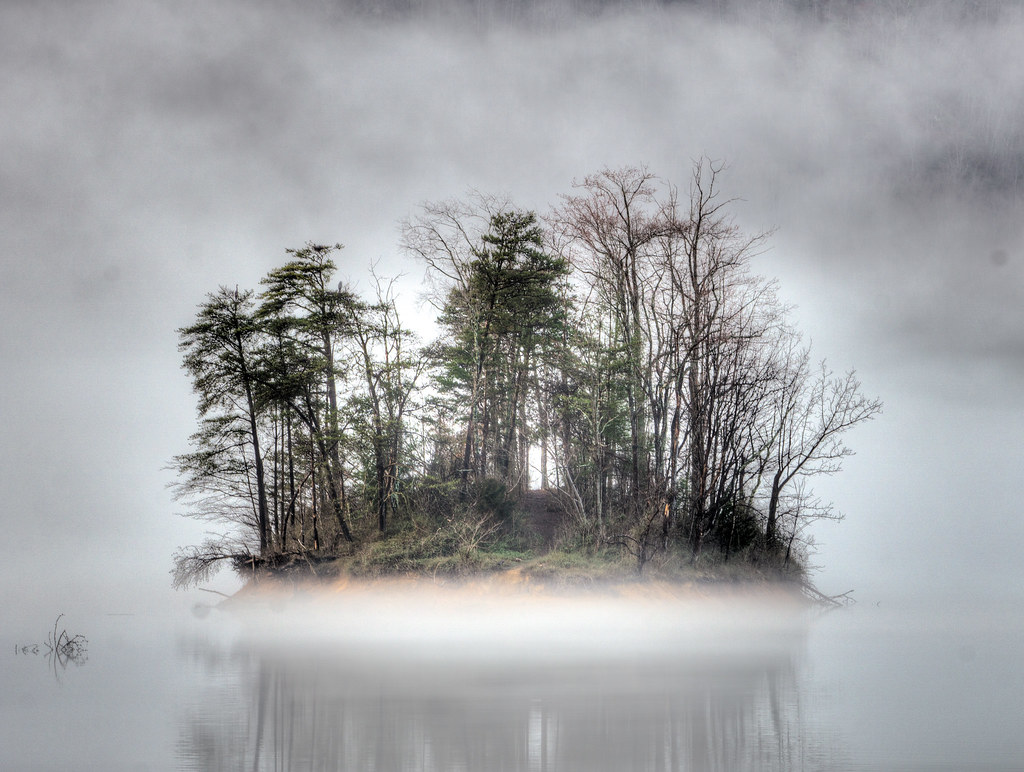
Dam in the Mist

This was one of those moments of pure chance. I was just coming back from a long weekend and hit rain just outside of the Tri-Cities while on some winding mountain roads. Then all of a sudden the rain let up just as I was passing Watauga Lake just in time to see this incredible mist coming off the lake. Within 10 minutes of taking this shot the mist had completely dissipated.

Dam in the Mist

Walk in the Woods I

Urban campuses are folded up and compact, an array of buildings and narrow pathways between them. Quads are a sacrifice on the order of placing Central Park in the middle of Manhattan. St. Lawrence’s campus is literally thousands of acres, much of which is still fields or forests. College is a different experience for students who can go for a hike or hop in a canoe for the afternoon without leaving campus.

Walk in the Woods I

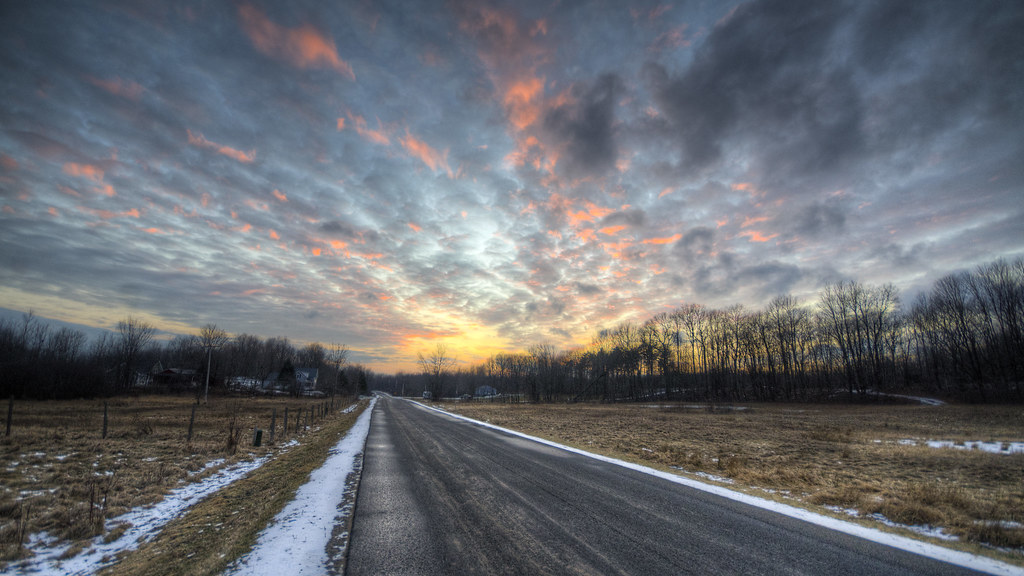
North Country Gateway

Away from the village centers, the North Country is frozen at an odd point in development. The original farms of early settlers haven’t been completely removed, but not much development has continued past that point. Trailers were installed by the sides of hot-mix roads and everything stopped there. I’m fascinated to think what this area must have been like during the late 1940s—population returning as the nation demobilized, and those people changing things in the North Country. Things don’t seem to change as much now.

North Country Gateway