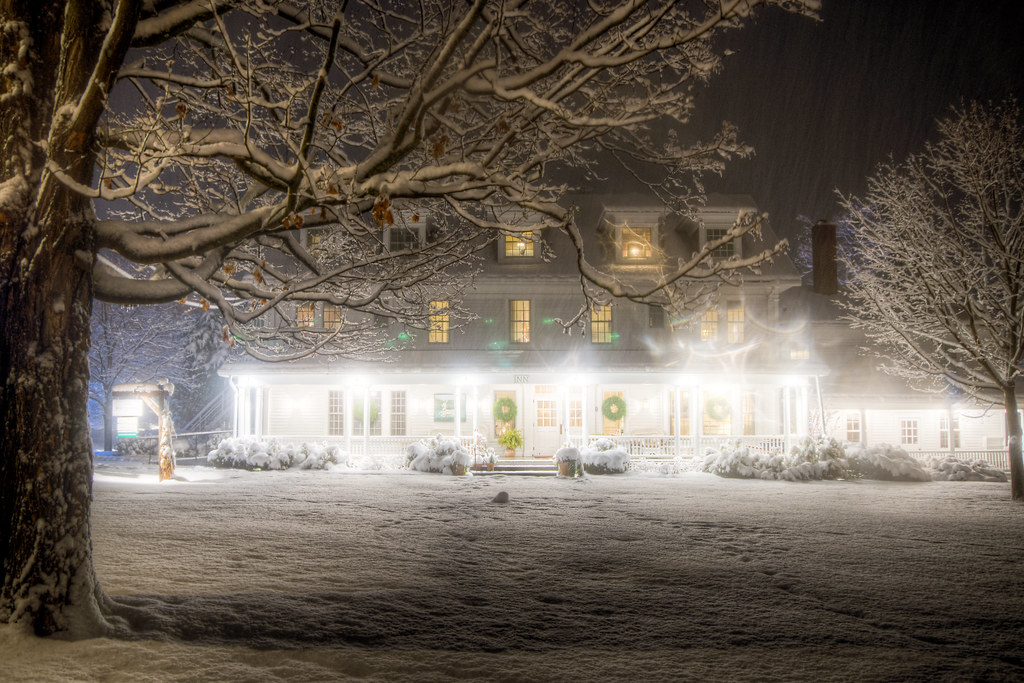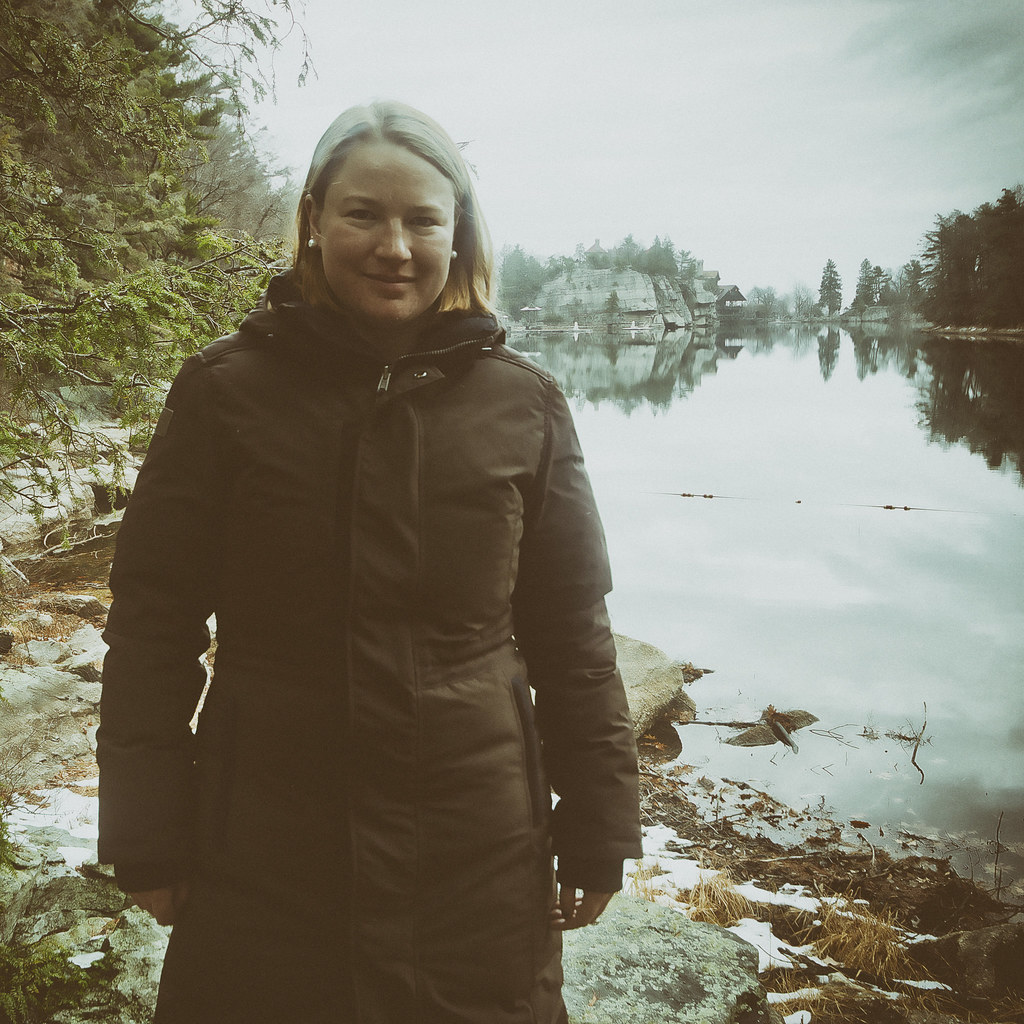
Two Views of Mohonk

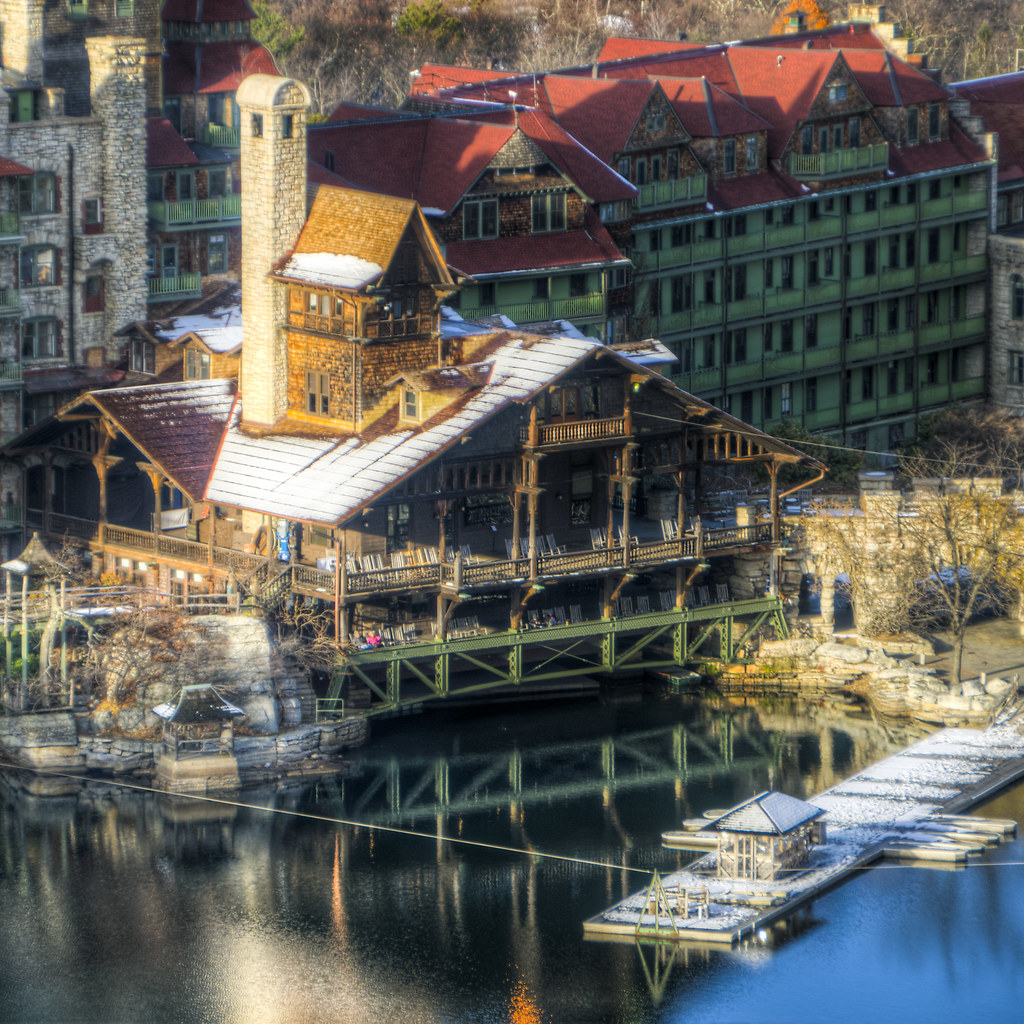
Mohonk Mountain House has grown like lichen across its mountaintop, but its oldest core shapes much of the structure’s identity. Tea time happens at 4:00 PM each day, and guests sit in the array of front porch rocking chairs with their tea during the warmer months.

Original Mountain House

Just around the corner, gazebos crusted with snow dot the cliffs.

Cliff Gazebo

Bonneville Salt Flats Flooded

Driving through the Bonneville Salt Flats, home of land speed records and long empty stretches, was a mirage-filled experience in the summer. Traversing the same alien landscape in the winter, following a series of major storms, is a brain-twisting exploration of optics: perfectly smooth surfaces (too shallow to support waves) make perfect clones of every hill and mountainside. This five-shot panorama captures the full scale of the space; I encourage you to click through to the full-size (32.1 MP) image on Flickr and see the detail for yourself.

Bonneville Salt Flats Flooded

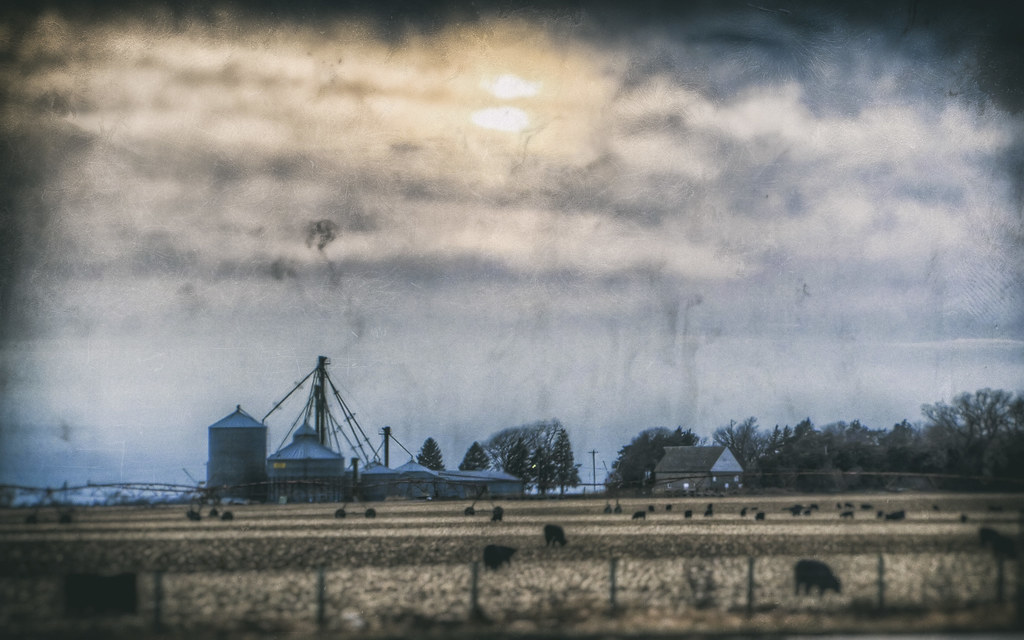
Nebraska Cows

Road tripping across America an experience both dramatic and (in the age of Interstate highways) mundane. When I made this trip three years ago, I documented it in a photoessay. Traveling the reverse direction, from the sprawl of the East Coast to the wide-open West, has been a more dramatic experience. The downside? Making the trip at the Winter Solstice has meant much less time each day for capturing the experience.

Nebraska Cows

Mohonk Flying Castle

Literally on a lake near the top of a mountain, Mohonk Mountain House gave my childhood self the illusion of a flying castle. This particular image is an iconic one for me, but it’s also part of a family of “ubiquitous images” that come from photographing a landmark from one of the only available views: shots like the Yosemite tunnel view, or the Golden Gate Bridge and San Francisco, or the view of Manhattan over the Brooklyn Heights pilings. Any new image is just adding to the canon.

Mohonk Flying Castle