From “open for business” to “sleeping on the dock,” Mohonk Mountain House’s boats present lovely repeating patterns.



HDR Photography
From “open for business” to “sleeping on the dock,” Mohonk Mountain House’s boats present lovely repeating patterns.
Like the characters in a horror movie, slowly realizing that they have wandered into a place they Should Not Have, I visited a large Connecticut facility with an excitingly retrofuturistic aesthetic and realized the true backstory of the place.

I was initially surprised that a new residential community would have such obviously older architecture, and pieced together that this must have previously been a corporate headquarters. The ample parking and dramatic hilltop location suggested something ambitious.

Reading about the history of the site on arrival, however, I came to realize that this was the former headquarters of Union Carbide—responsible for the most harmful chemical spill in human history, the Bhopal Disaster, responsible for exposing more than 500,000 people to methyl isocyanate, ultimately leading to the deaths of thousands. As a chemistry Ph.D., the effect of standing in the headquarters of the company when this event took place (the building opened in 1982 and the disaster occurred in 1984) was deeply unsettling—a reminder of the responsibility that chemists hold for the impacts of our work.

This image is definitely worth a click through to Flickr for the full-sized version. All those little boats on the Connecticut River are rowers racing or preparing to race, and the hints of colors and patterns in the solid blue of water match well with the early hints of color and patterns of changing foliage in the expanse of green leaves.

Going back to images I took of now-nonexistent scientific apparatus is sort of a rare thrill; it honestly makes me wish I’d taken more pictures during graduate school. In the foreground of this image is the blue cryostat that I used to bring my samples down to -75ºC for experiments in low-temperature chemical reactions.

Cold, rainy winter days feel so at odds with the sun-baked desert landscape of Coachella Valley—and yet so necessary to the plantlife carpeting the valley floor. Experiencing it during one of those rainy moments felt like being let in on a very specific secret.


You know spring has arrived when the pink dogwoods in the neighborhood finally bloom.

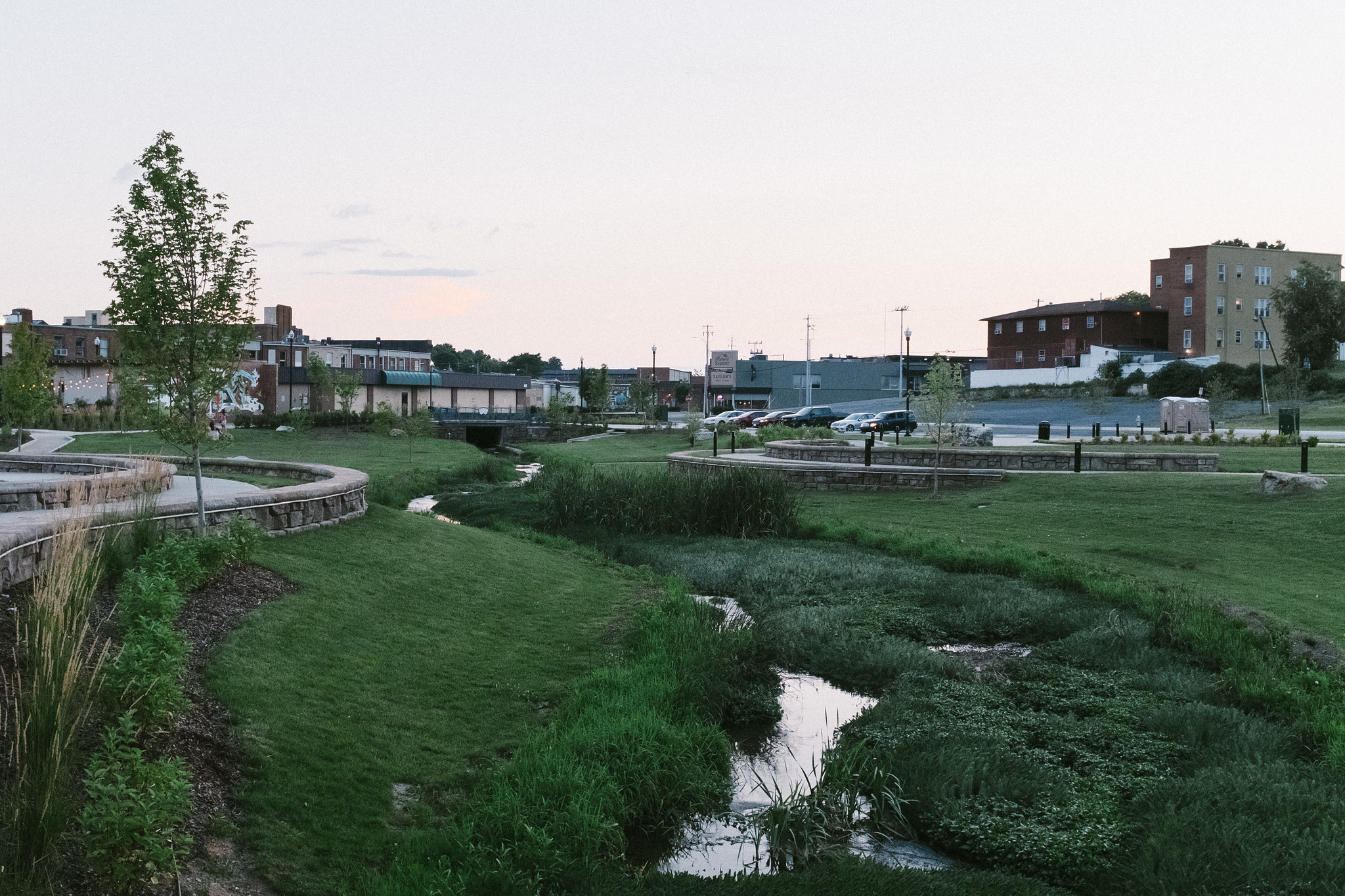
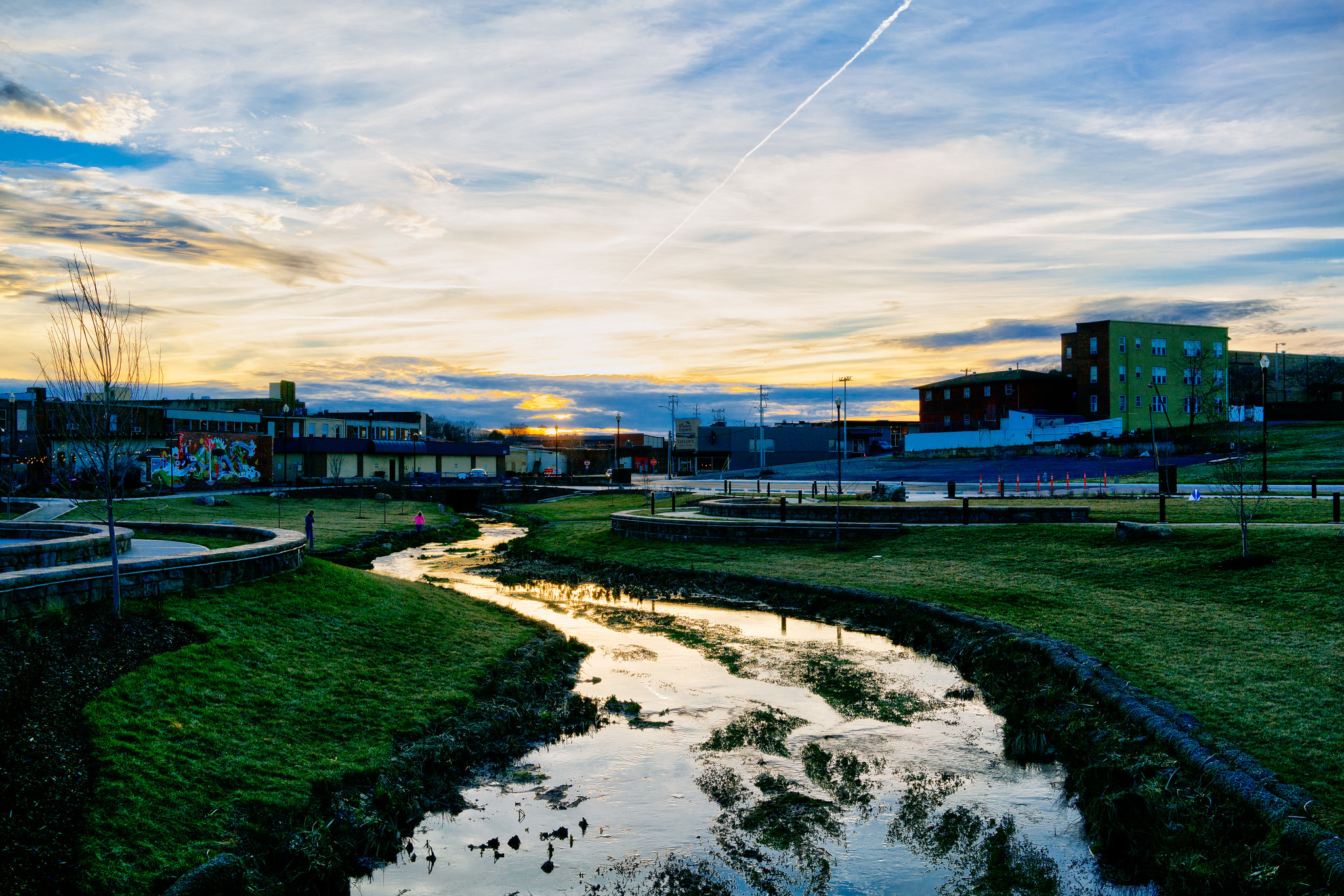
This view of King Commons park in Johnson City is a place that I keep coming back to again and again.
‘Tis the season for some holiday cheer.

It may be the fall everywhere else, but here in the South it still feels like summer.

 Decaseconds